
Smart buildings and smart cities - Sustainable solutions for the future
The concept of smart buildings and smart cities is gaining increasing attention worldwide, as technological innovation and sustainability become closely intertwined. These solutions not only support environmental protection but also improve the quality of life for people everywhere.
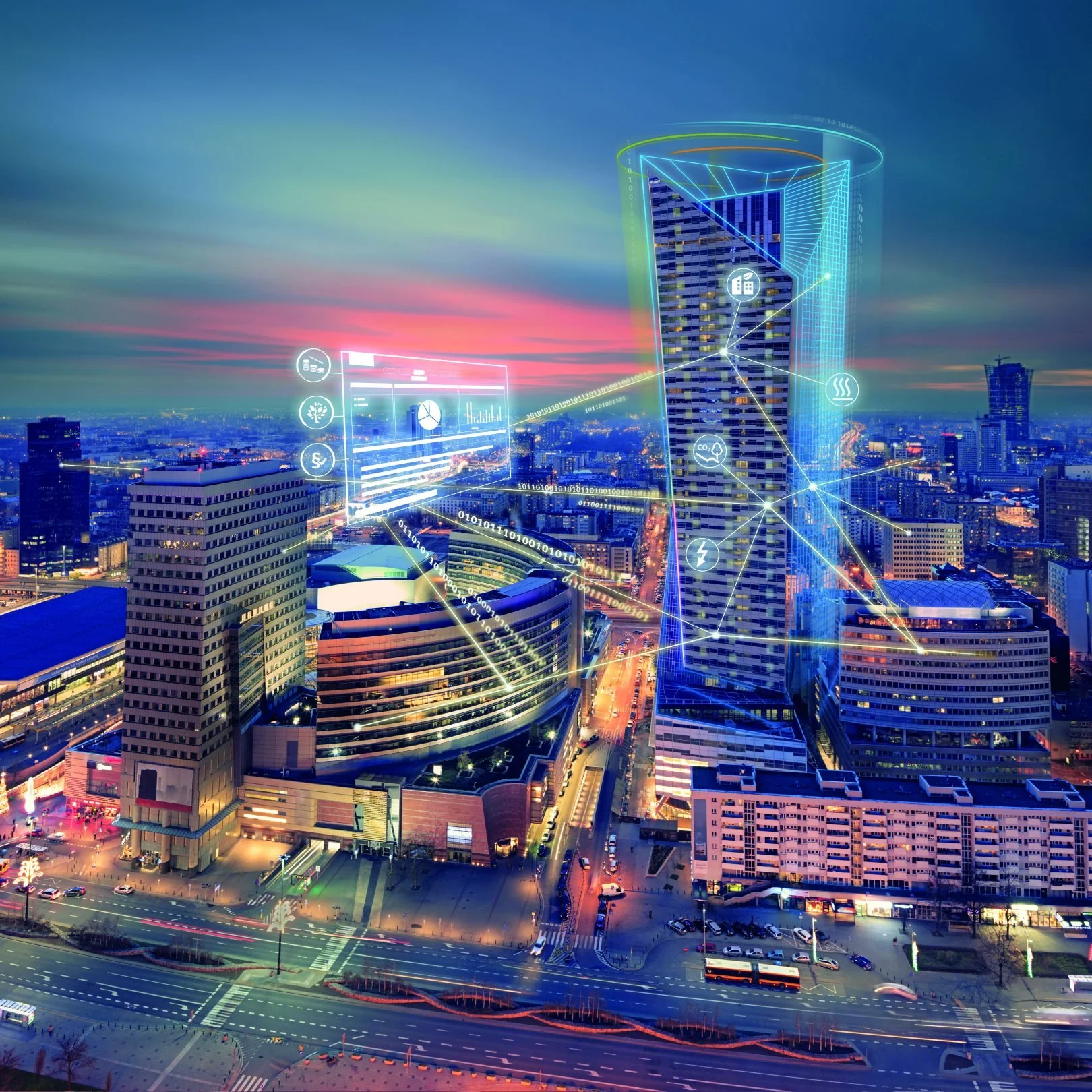
The term ‘smart buildings’ is often used nowadays, but what do we actually mean by it? Smart buildings – whether office complexes, factories, parking structures – use advanced technologies to improve energy efficiency, safety, and comfort. Equipped with numerous sensors and automated systems, these buildings continuously monitor and optimize the operations, creating a more efficient and user-friendly environment.
What do we mean by energy-efficient operation?
One of the greatest benefits of smart buildings is their ability to boost energy efficiency. Intelligent systems automatically regulate heating, cooling, and lighting, based on weather conditions and building usage. This not only reduces utility costs and minimizes environmental impact – a win-win for businesses and the planet.
Security and comfort
Smart buildings also prioritize safety and convenience. Advanced security systems, such as biometric identification and remote monitoring, protect users while offering features like remote access and control. These innovations make everyday life easier and more secure.
Beyond buildings: smart ecosystems
Today, the conversation extends beyond individual buildings to entire “smart ecosystems”—cities that integrate technology across multiple sectors.
What makes a smart city?
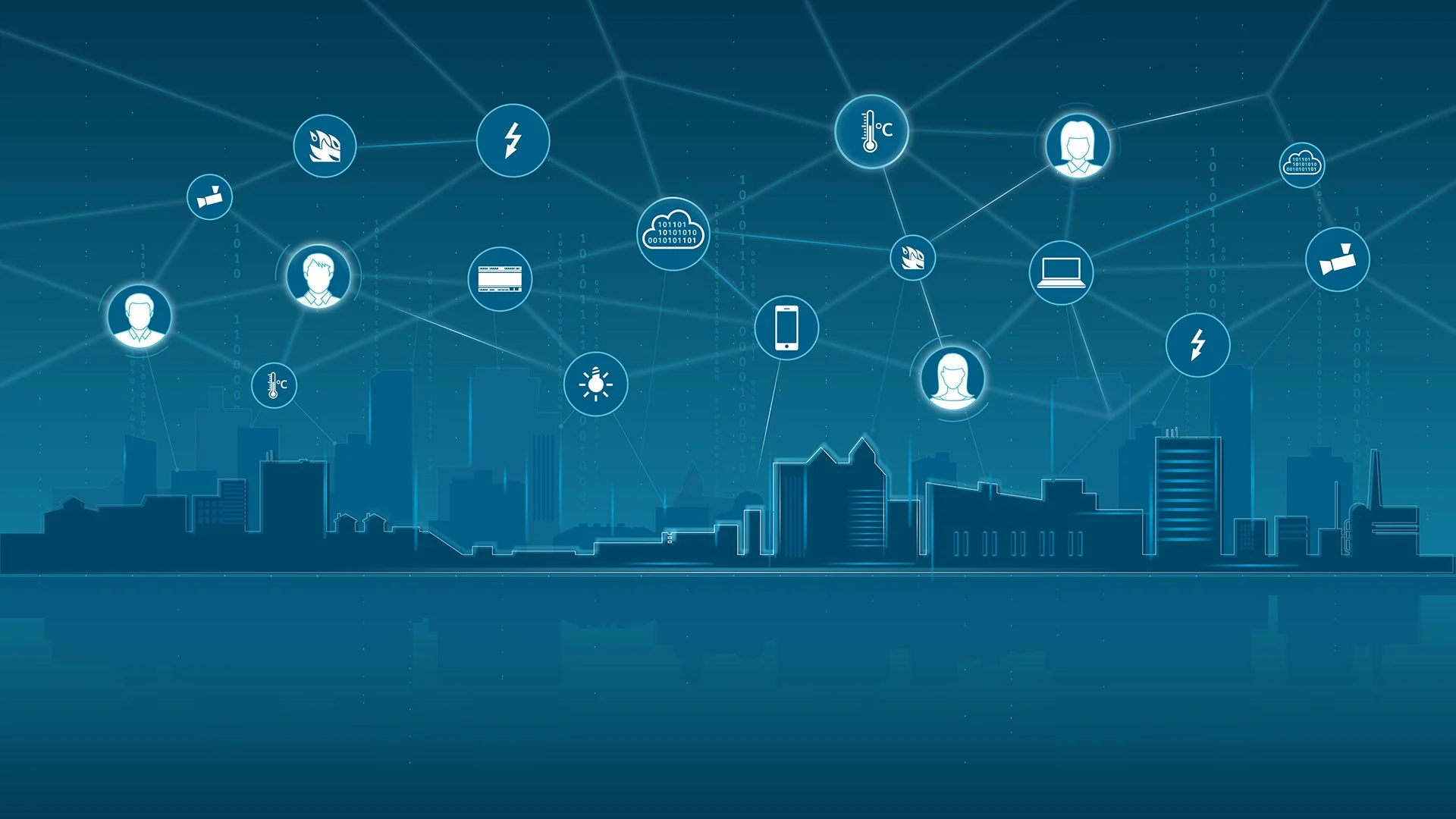
Smart cities are urban areas that use integrated technological solutions across various aspects of city life, such as transportation, energy supply, and waste management. Their ultimate goal is to create urban environments that are sustainable, efficient, and livable.
Smarter transportation
In smart cities, transportation systems can optimize traffic flow, reducing traffic jams. Intelligent traffic lights and real-time traffic data analysis enable more efficient transportation and help reduce harmful emissions, making transportation faster and cleaner.
Energy supply
In smart cities, energy efficiency is improved in several ways:
Through smart grids, we can regulate energy consumption in real time, optimizing distribution and reducing waste.
Energy storage systems are also a very current topic. Batteries and other storage systems allow energy to be stored, making the use of renewable energy sources more balanced.
Waste management can also be carried out intelligently and data driven. Smart sensors installed in waste containers monitor their fill level and signal when emptying is needed. This optimizes collection routes and reduces unnecessary transportation.

Closing thoughts
Smart buildings and smart cities play a vital role in shaping a sustainable future. By applying innovative technologies, we can protect the environment while improving quality of life. As technology continues to evolve, new opportunities will open for us to create world that is not only smarter but also more liveable and sustainable.
Are you really curious?
Discover the solutions that evosoft provides. More blog articles about our solutions.
Let's get in touch, contact us.
If you are interested in our solutions and services, please send a message to our Program Manager.
Gábor Kozó - Program Manager (LinkedIn)