
Energy transparency in large-scale industrial environments
SENTRON Powermanager system upgrade at Ravago’s Alsózsolca factory site
In industrial operations, energy consumption is no longer merely a cost factor, but it has become a complex strategic issue. Rising energy prices, regulatory compliance expectations and energy-efficiency targets collectively justify the introduction and continuous development of intelligent energy management systems.
In a recent collaboration between evosoft and Siemens Zrt., the project focused on upgrading and enhancing the Siemens SENTRON Powermanager system at the Alsózsolca factory site of Ravago Building Solutions Hungary Kft., where energy‑intensive stone wool insulation manufacturing takes place.
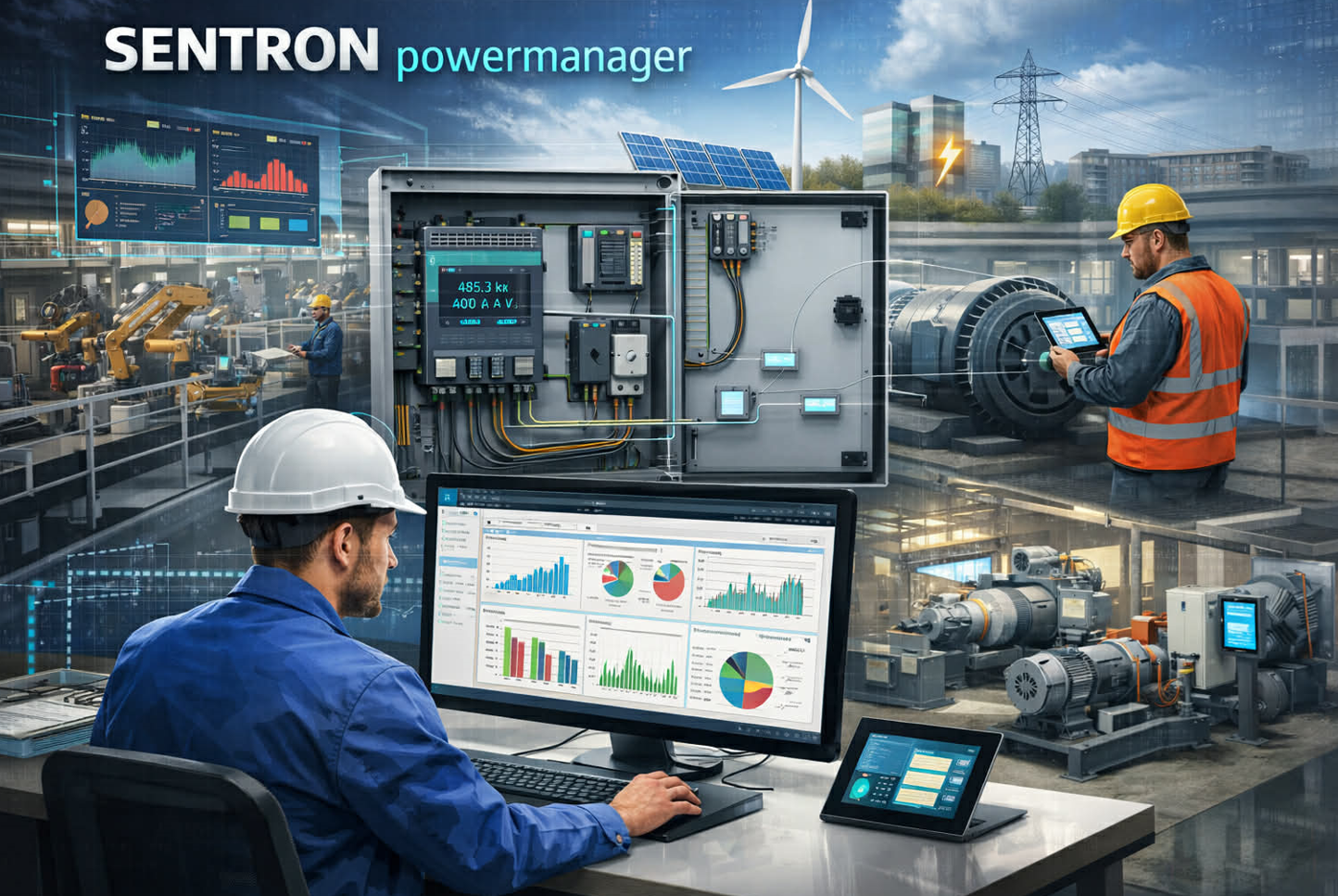
Why is energy monitoring very important?
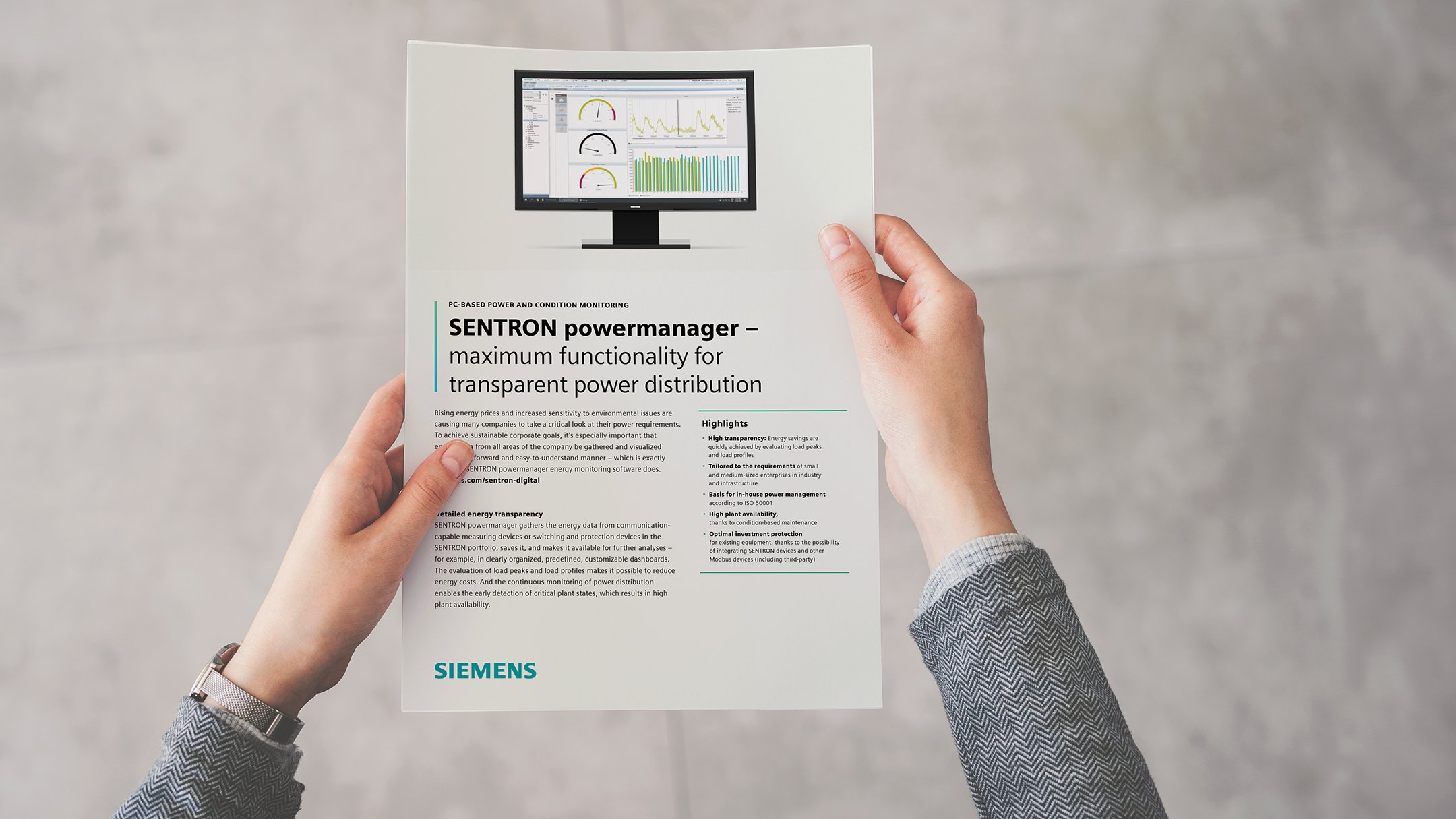
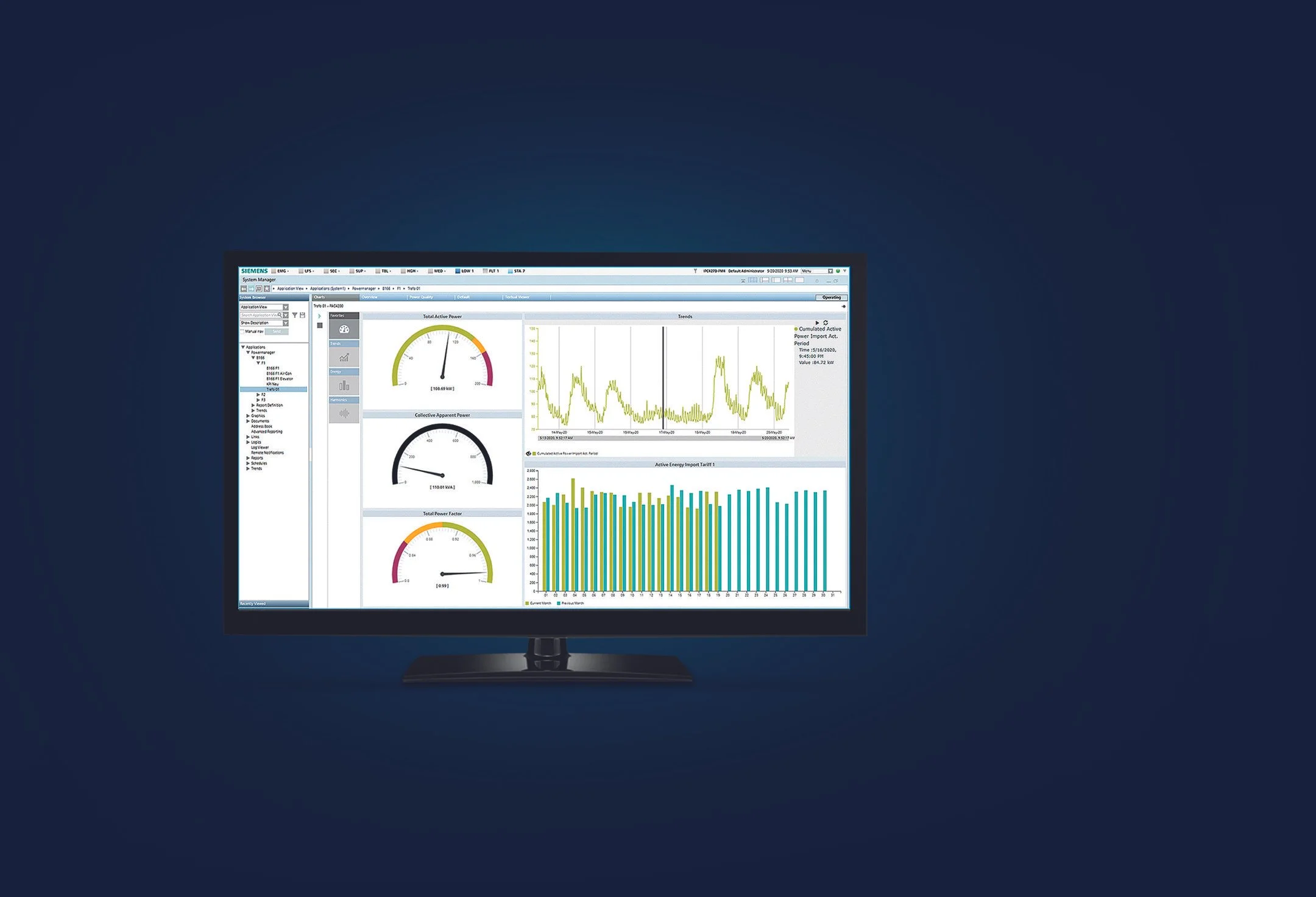
Siemens SENTRON Powermanager is an advanced energy management software solution that enables the monitoring, analysis and optimization of energy consumption in industrial and building operation environments.
The system provides:
continuous monitoring of low‑voltage power distribution status and quality,
detailed reporting capabilities,
support for operational energy management in line with ISO 50001.
The regulatory background also sets a clear direction: according to the 2020 regulation of the Hungarian Energy and Public Utility Regulatory Authority (aligned with EU directives), energy consumption data storage becomes mandatory above certain capacity thresholds. One key tool to achieve this is the installation of submeters and the structured management of the collected data.
In a manufacturing facility of this scale, energy transparency becomes an essential requirement.
Project objectives
A Powermanager 3.6 system was already operating at the Ravago factory site. The project established the following objectives:
migration of the 3.6 system to version 6.0,
integration of newly installed submeters from recent years,
verification of the hardware configuration,
software updates for devices at measurement points,
configuration of automatic reports and custom visualizations based on users’ requirements.
The goal was not merely a software upgrade but the establishment of a stable, future‑proof energy management environment as well.
Operating in an industrial environment with real‑world challenges
The site’s power supply is ensured by a transformer station through two feeders, in a 3‑phase and 400 V system. In the distribution room, air‑circuit breakers protect the high‑current main branches, while office buildings and smaller loads are supplied through 3VA molded‑case circuit breakers equipped for performance measurement.
The scale of the system is illustrated by the fact that the installed breakers operate with rated currents ranging from 100 A to 400 A, communicating over Modbus TCP.
The production hall is dusty and noisy, so during the two‑day, on‑site work, a temporary base had to be set up within this environment. Power distribution takes place via busbar trunking, which is a typical industrial infrastructure. Two main busbar lines originate from the transformer station: one with 24 feeders, the other one with 10. Feeders rated at 630 A or even 1000 A are not uncommon.
Our tasks included the precise identification of feeders, troubleshooting communication errors and updating device firmware. Accessing equipment installed at height required the use of a boom lift.
When migration requires more than an upgrade
In practice, migrating from Powermanager 3.6 to 6.0 was not entirely seamless. During the upgrade process, the entire configuration was ultimately rebuilt item by item in the new environment.
Although this required additional effort, it also enabled us to optimize the system structure and reconsider the overall architecture.
The second phase of the project was completed via remote access: automatic report generation and visualization interface configuration were carried out comfortably from an office environment.
More than compliance
Although SENTRON Powermanager can monitor heat, gas and water consumption, this project primarily focused on electrical supervision and regulatory compliance.
However, the resulting system offers far more than mere legal conformity. It not only collects data but also provides real‑time visibility into the operation of the power distribution system, supports management decisions, and creates a robust foundation for future energy‑efficiency initiatives.
The system upgrade implemented at Ravago’s Alsózsolca factory site clearly demonstrates that energy management today extends well beyond IT support functions. Conscious energy supervision is now a key element of corporate competitiveness, directly influencing operational stability and cost efficiency.