
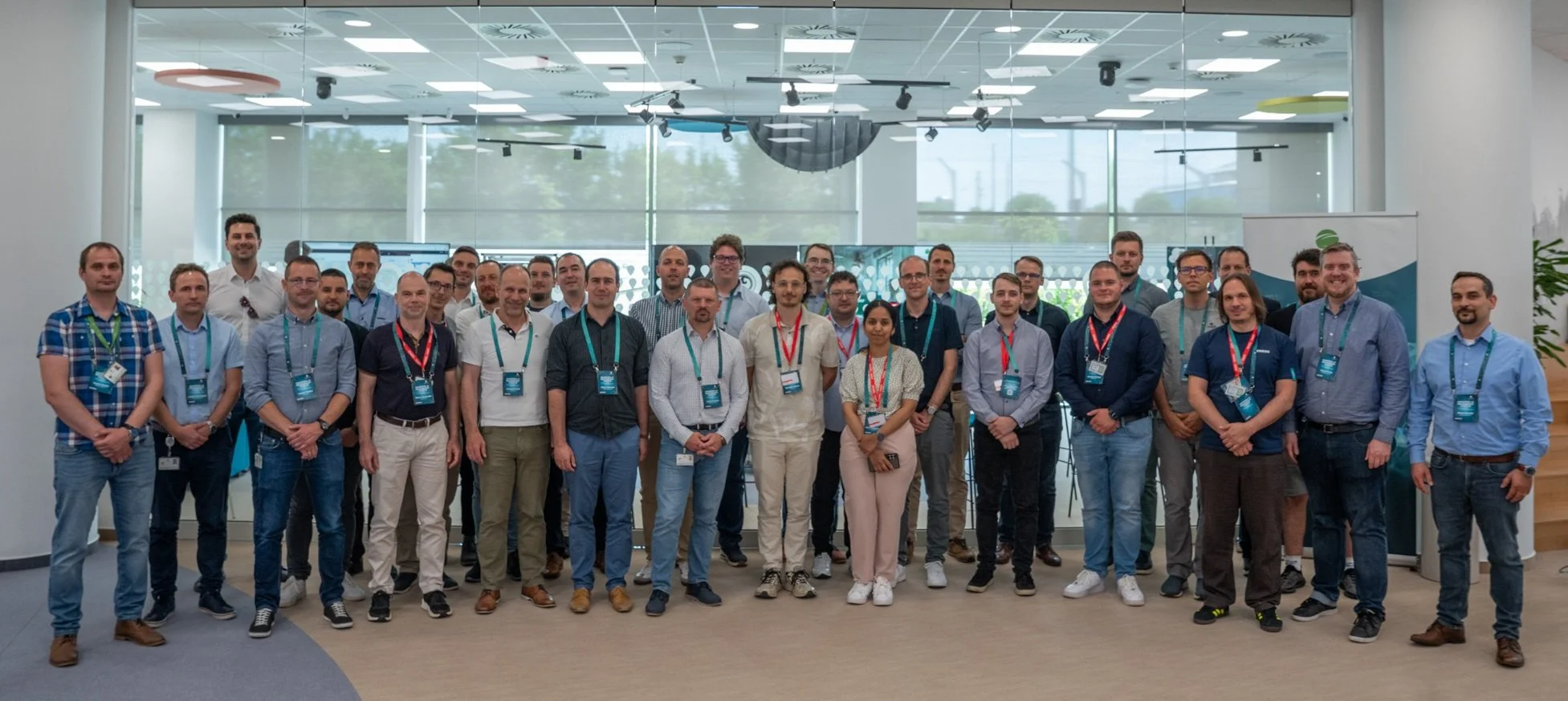
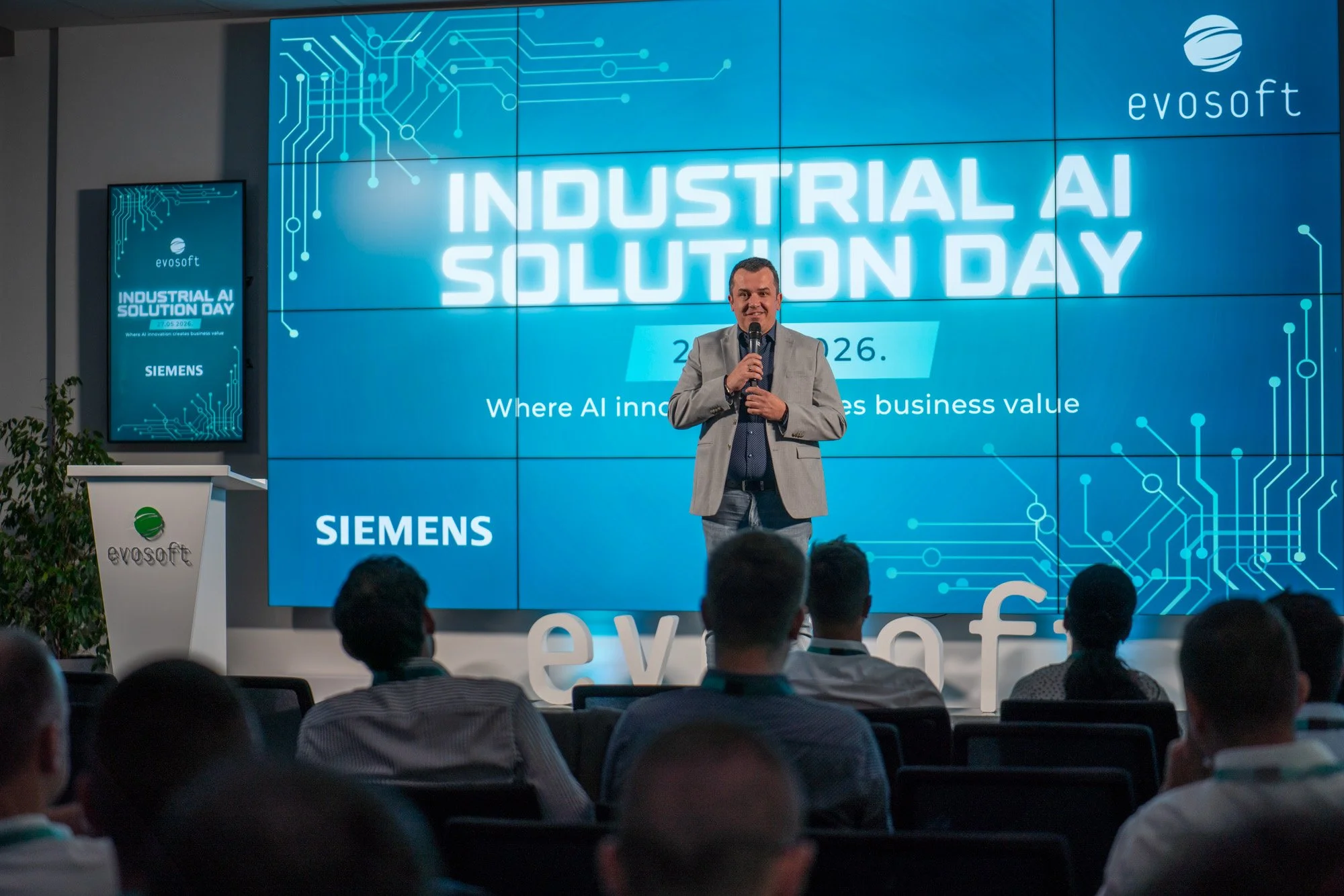
Experts from five countries collaborated across Siemens FT and DI, meeting in Budapest for the Industrial AI Solution Day at FT D Hungary (evosoft).
One of the most important outcomes of the Industrial AI Solution Day was the clear confirmation that industrial AI is moving beyond isolated proofs‑of‑concept towards scalable, reusable solutions.
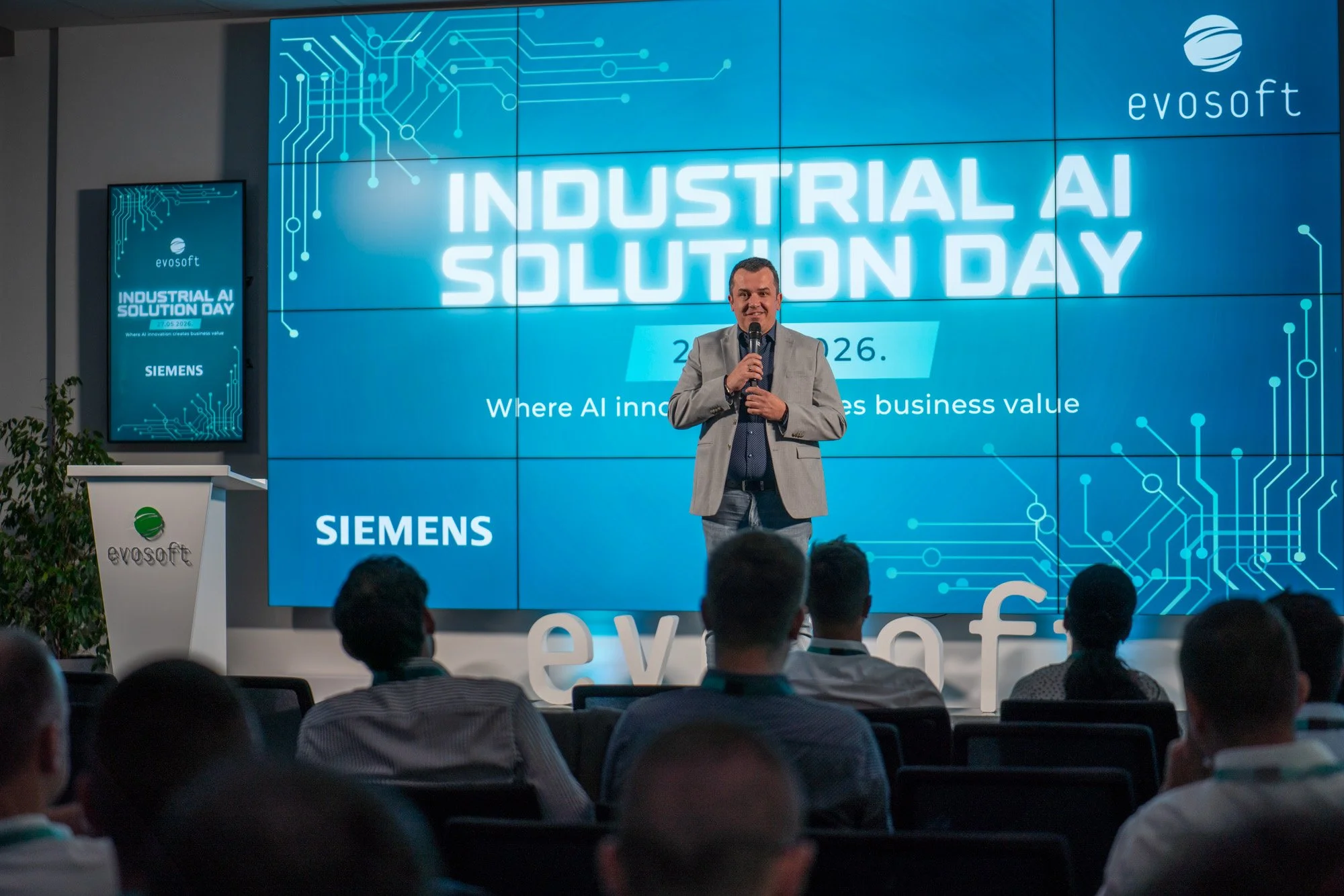
Gábor Kozó, from FT D Hungary
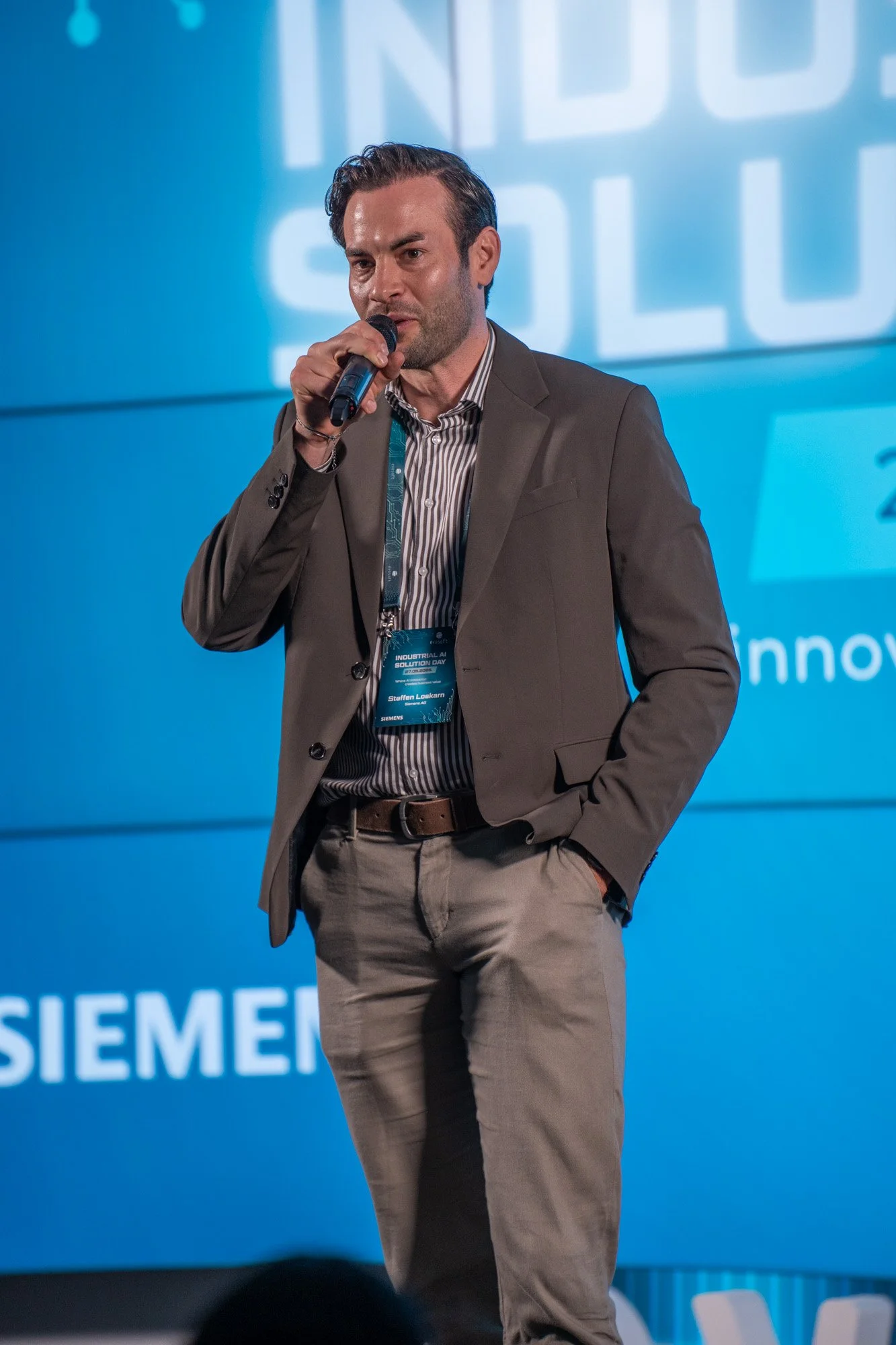
Steffen Loskarn, from Siemens DI
Across multiple presentations, we saw that the real challenge is not the AI model itself, but how to standardize deployment, integrate into shopfloor environments, and scale across production sites. Successful approaches rely on combining pre-trained models, Industrial Edge–based execution, and reusable architectures that significantly reduce deployment effort and enable replication across plants.
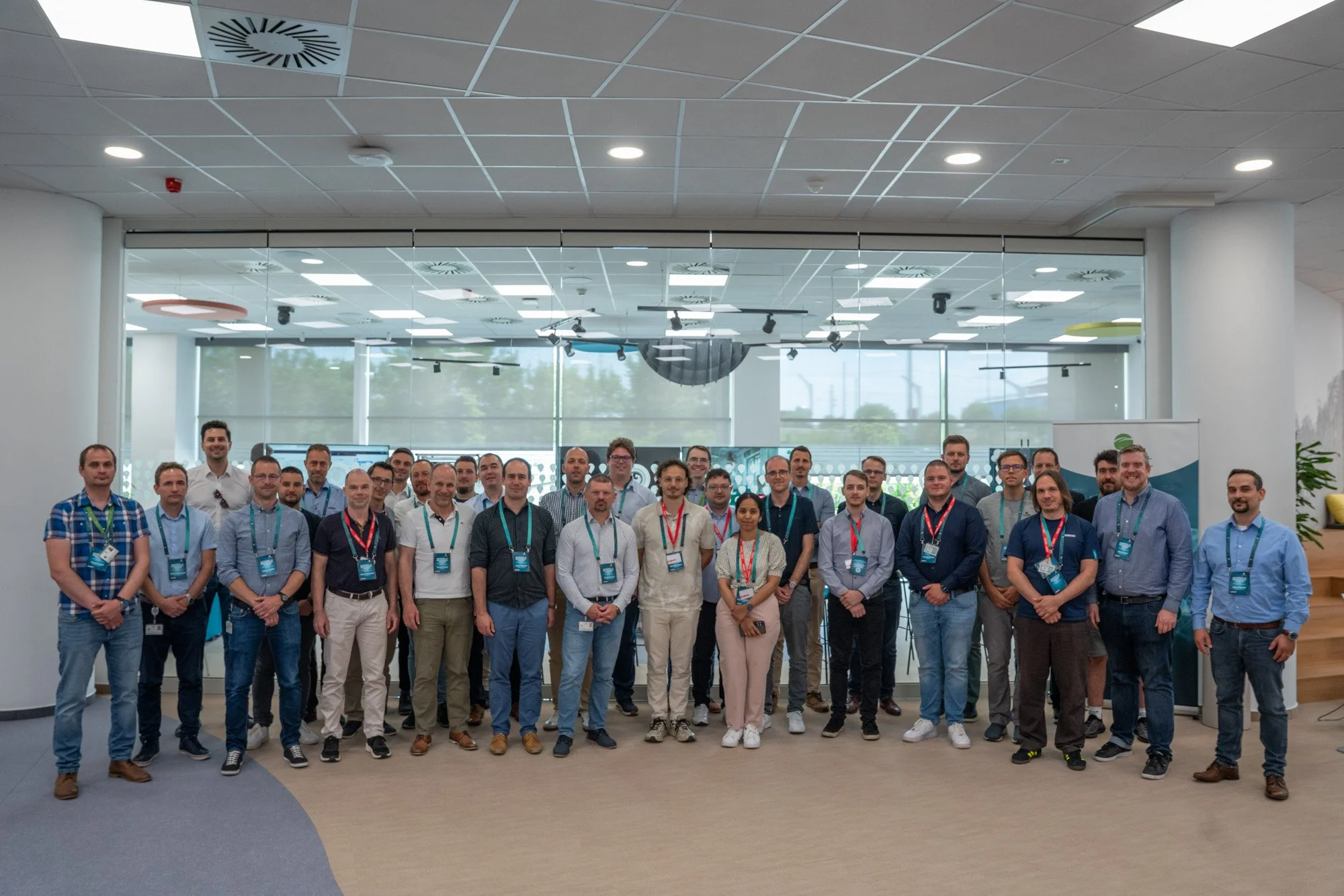
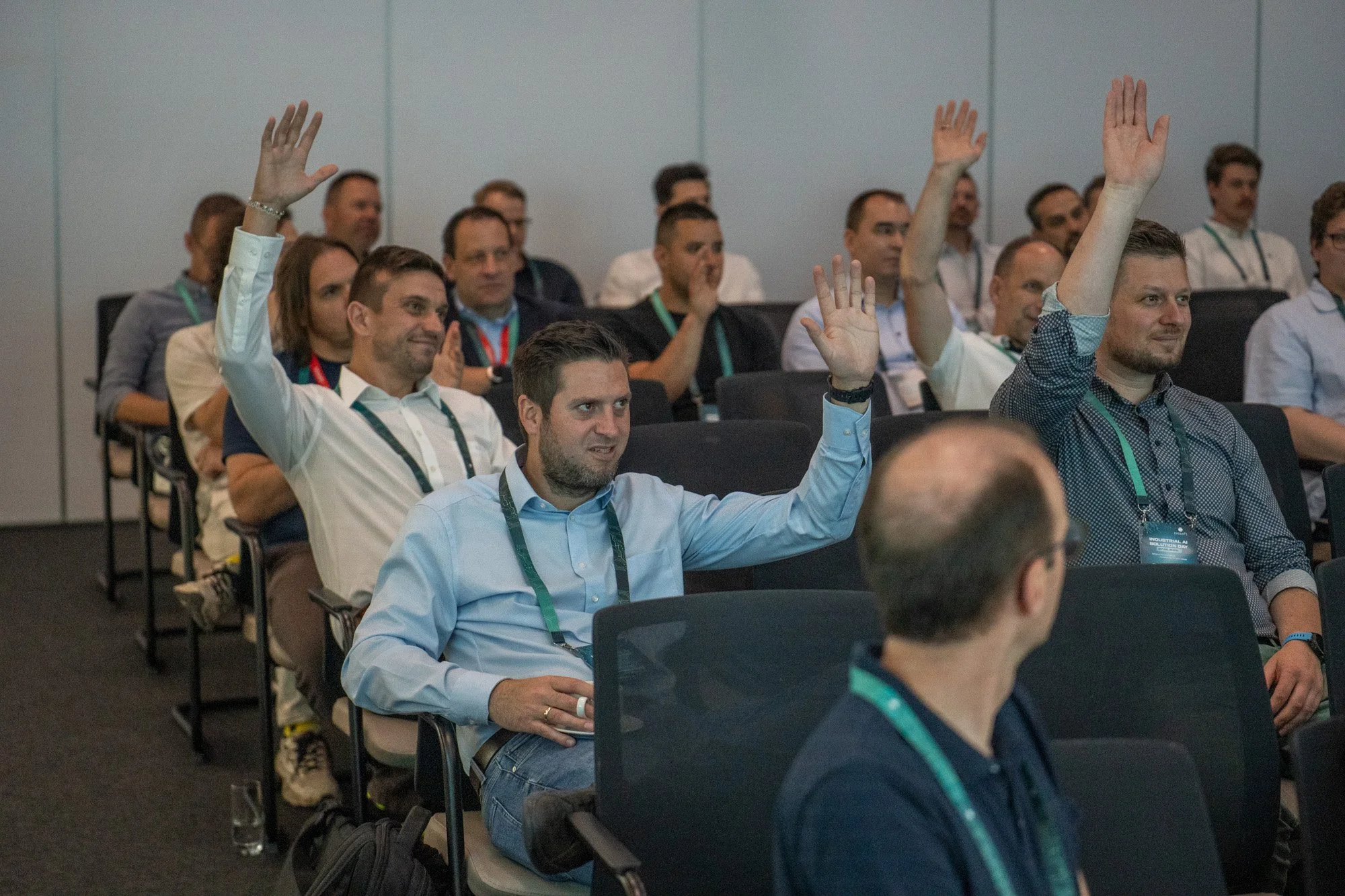
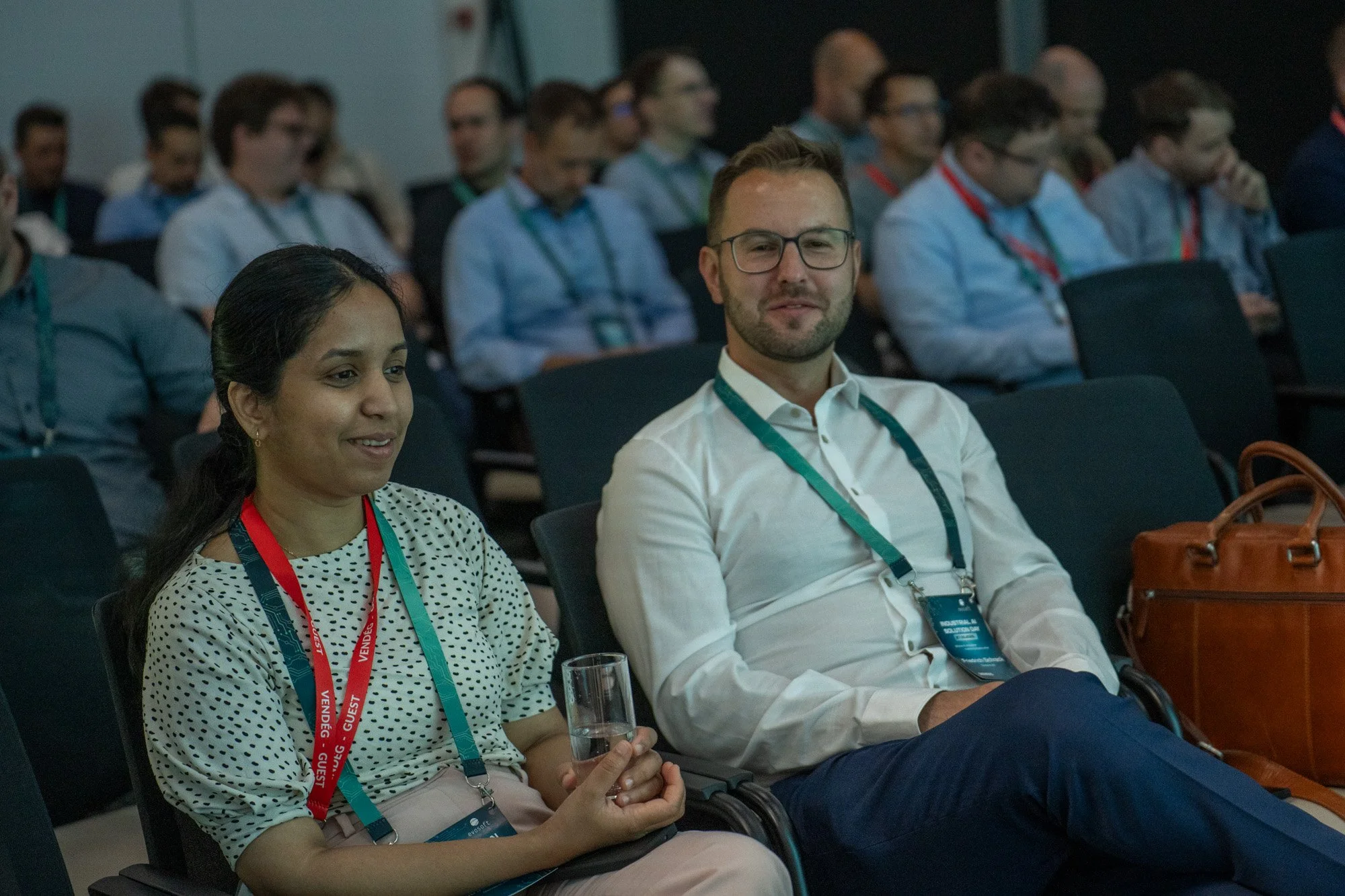
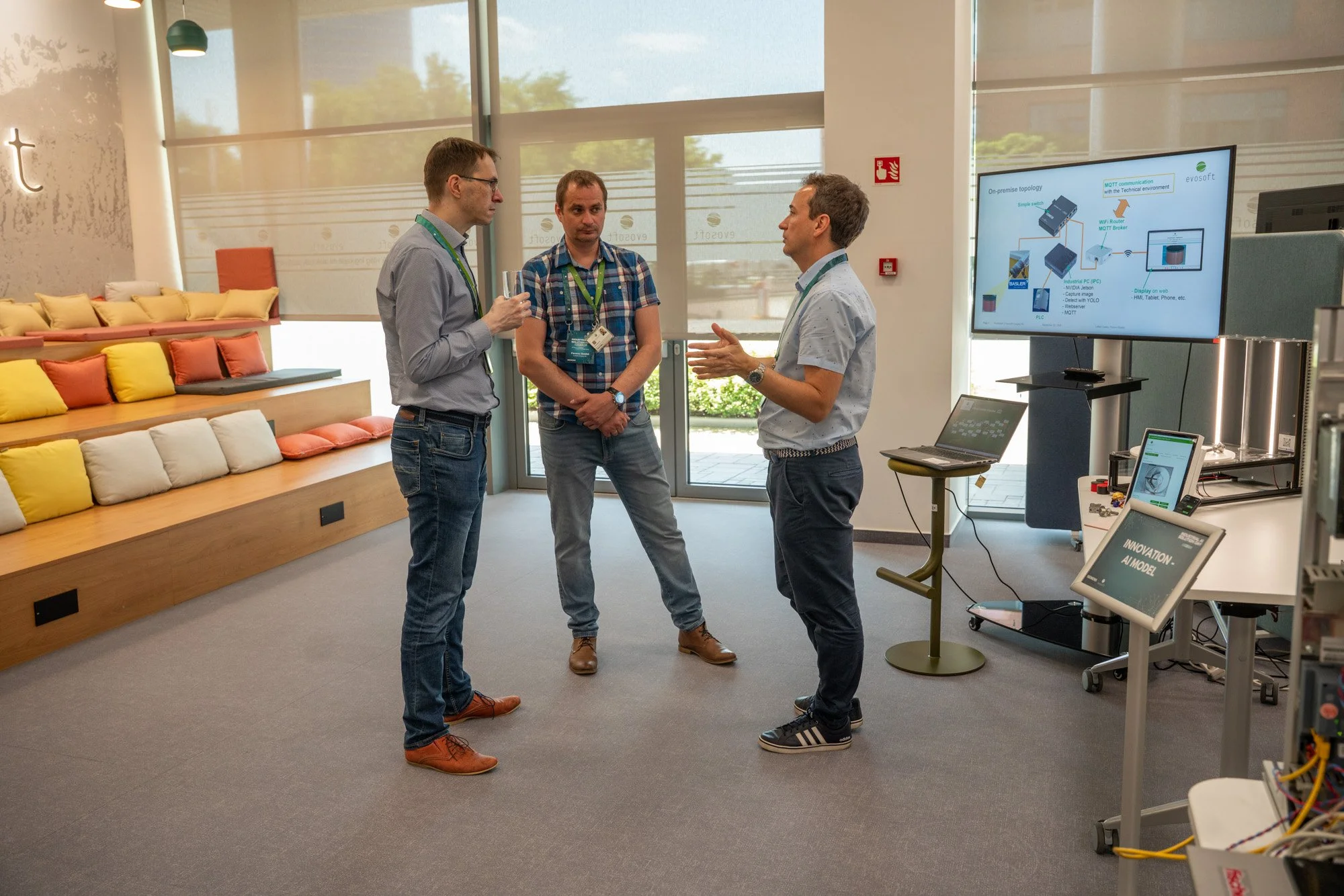
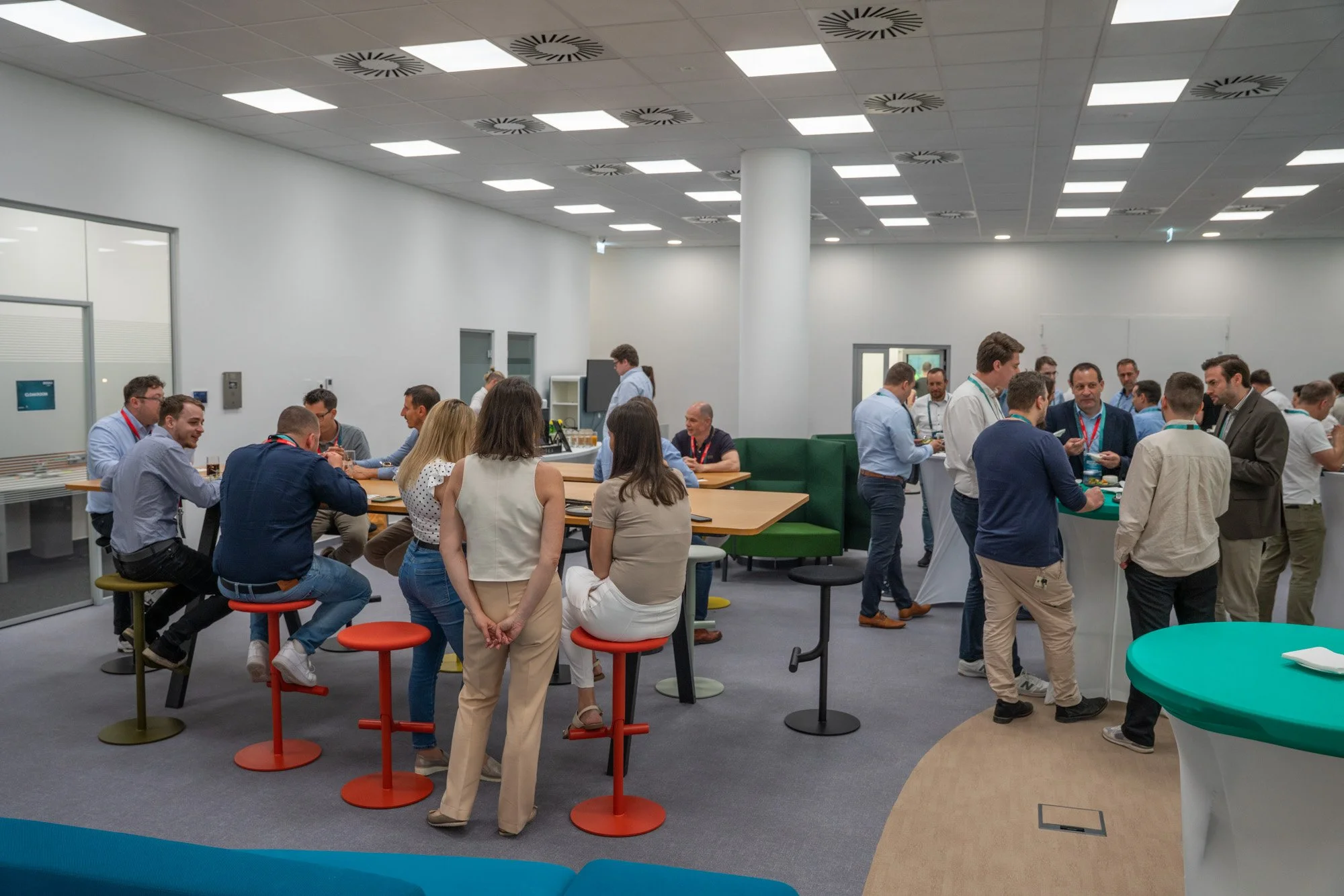
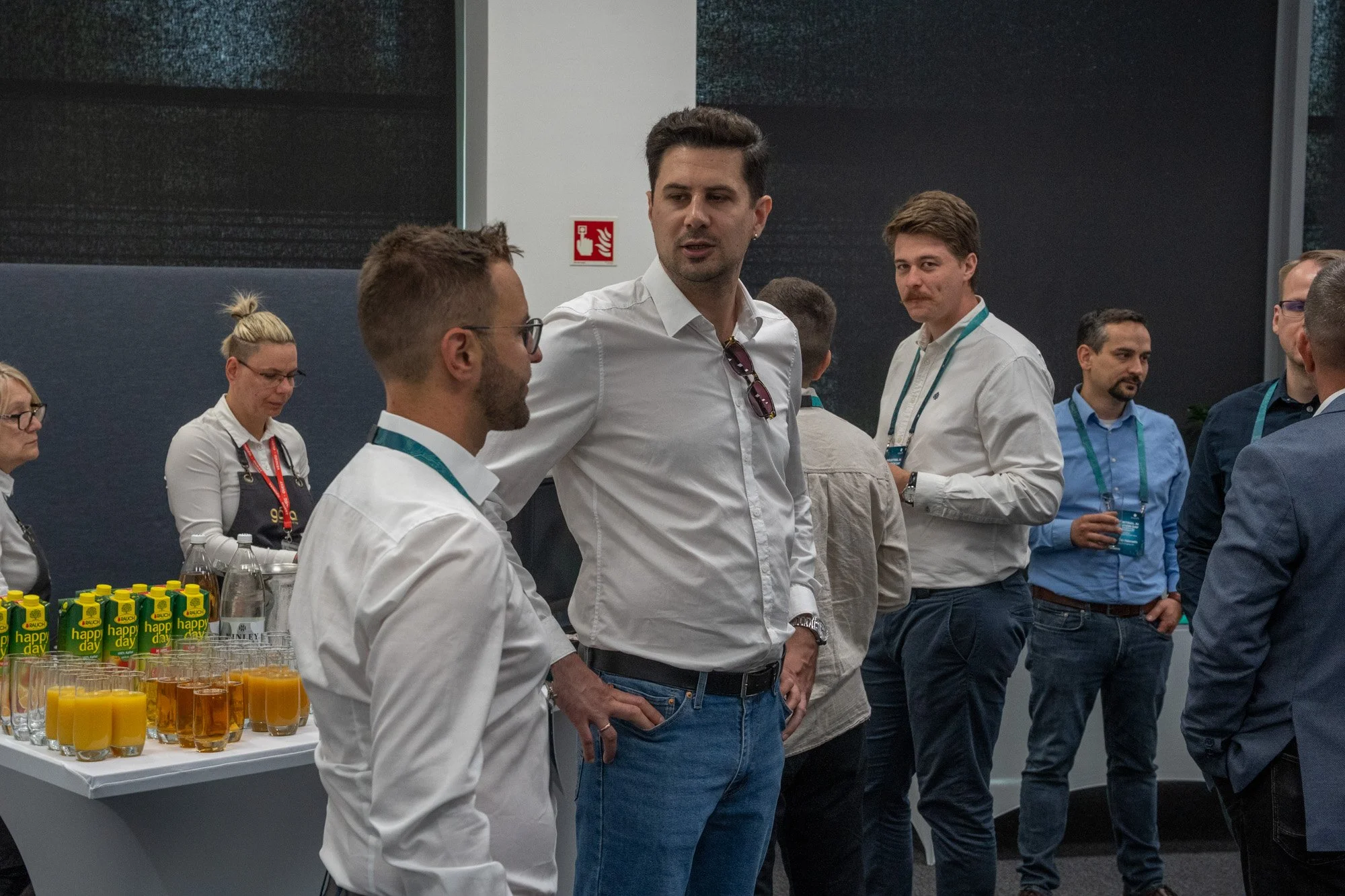
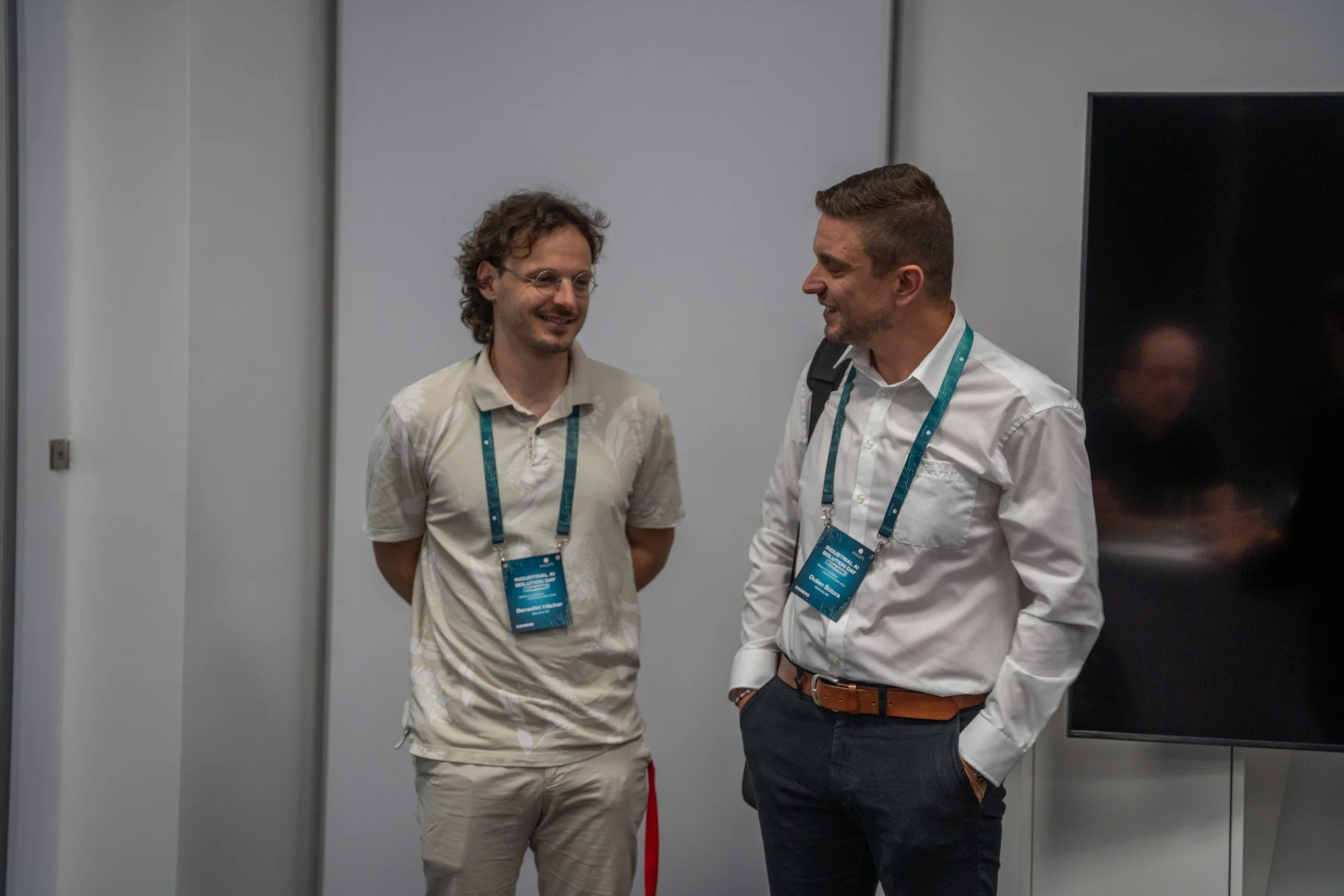
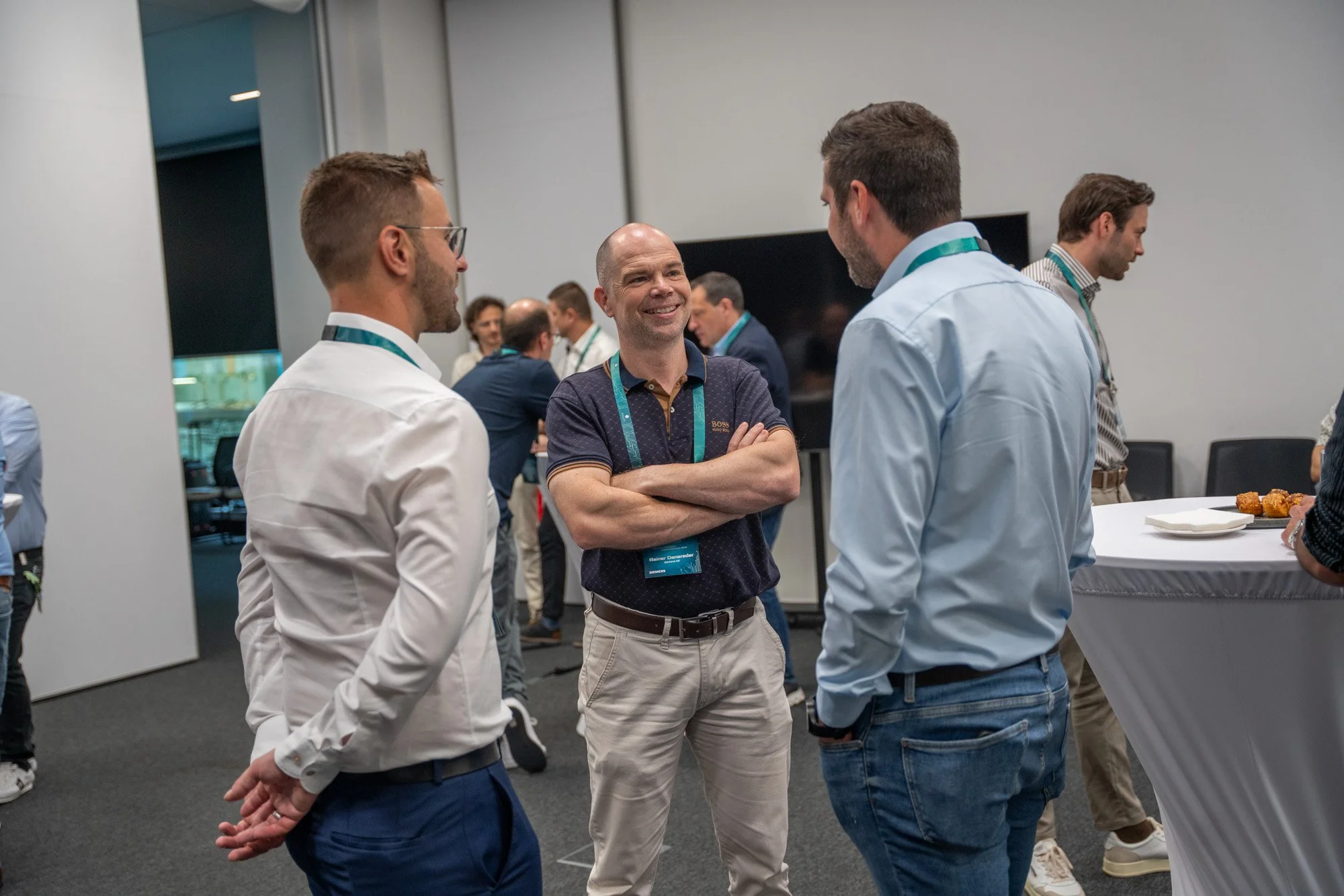
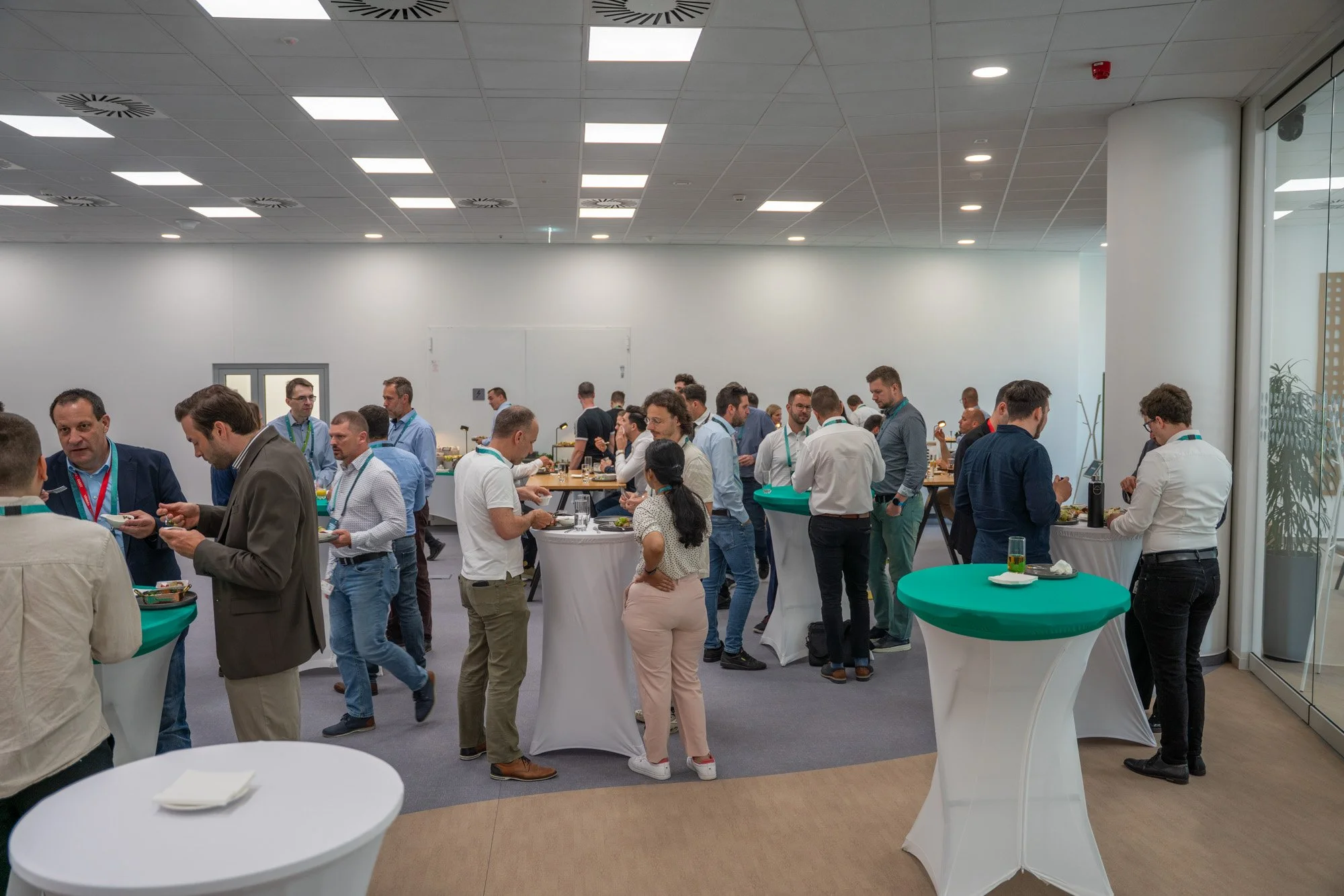
Participants of the know-how sharing session explored AI use cases from different countries, learned from each other, and identified concrete collaboration opportunities. The event clearly demonstrated how cross-country cooperation can accelerate both innovation and implementation by leveraging shared platforms, standardized components, and common engineering practices.
Concrete use cases: the practical side of industrial AI
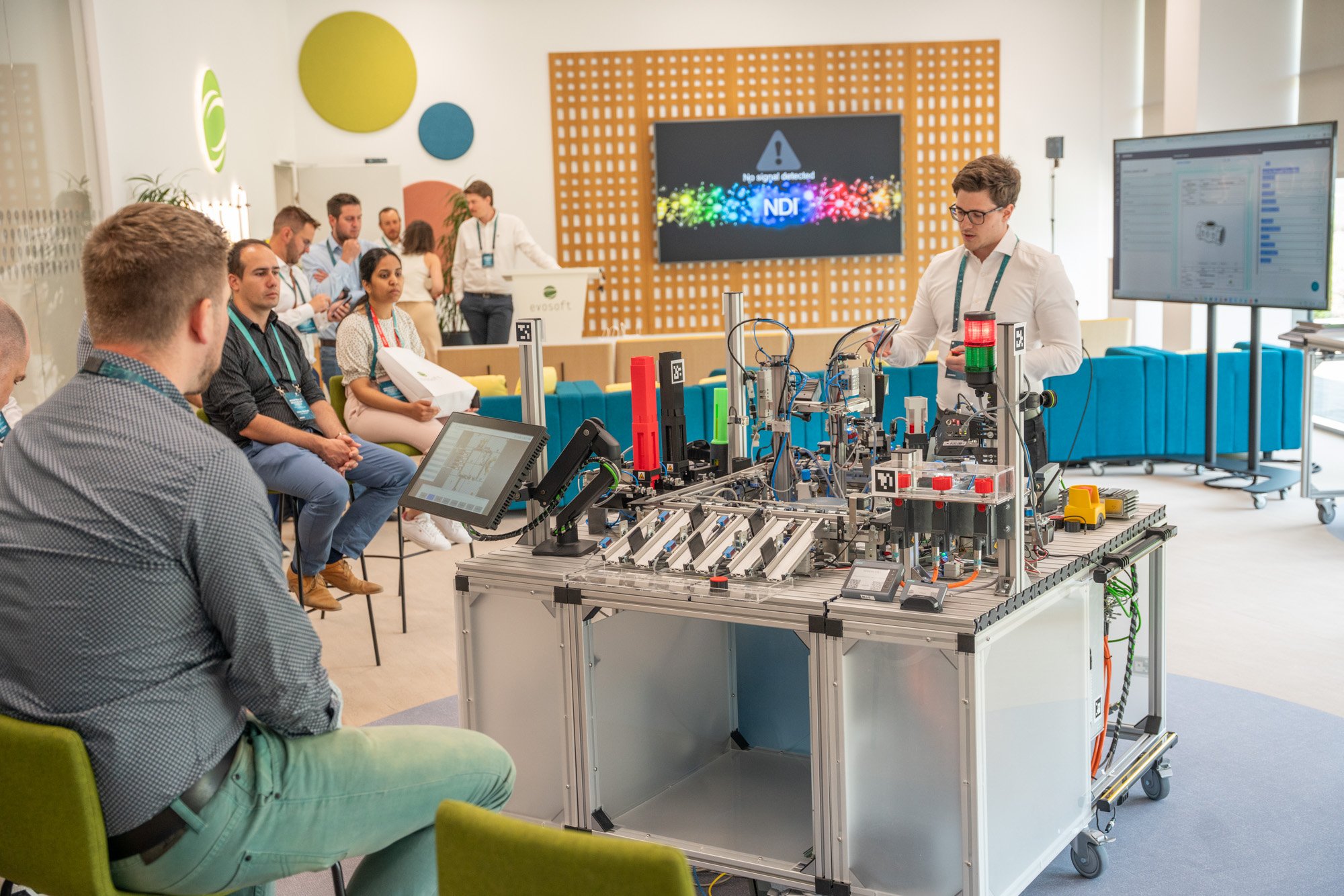
The event strongly focused on practice: real industrial AI solutions and use cases were presented by experts from various countries, demonstrating tangible business value across industries.
A key takeaway was how different domains are converging towards reusable AI building blocks:
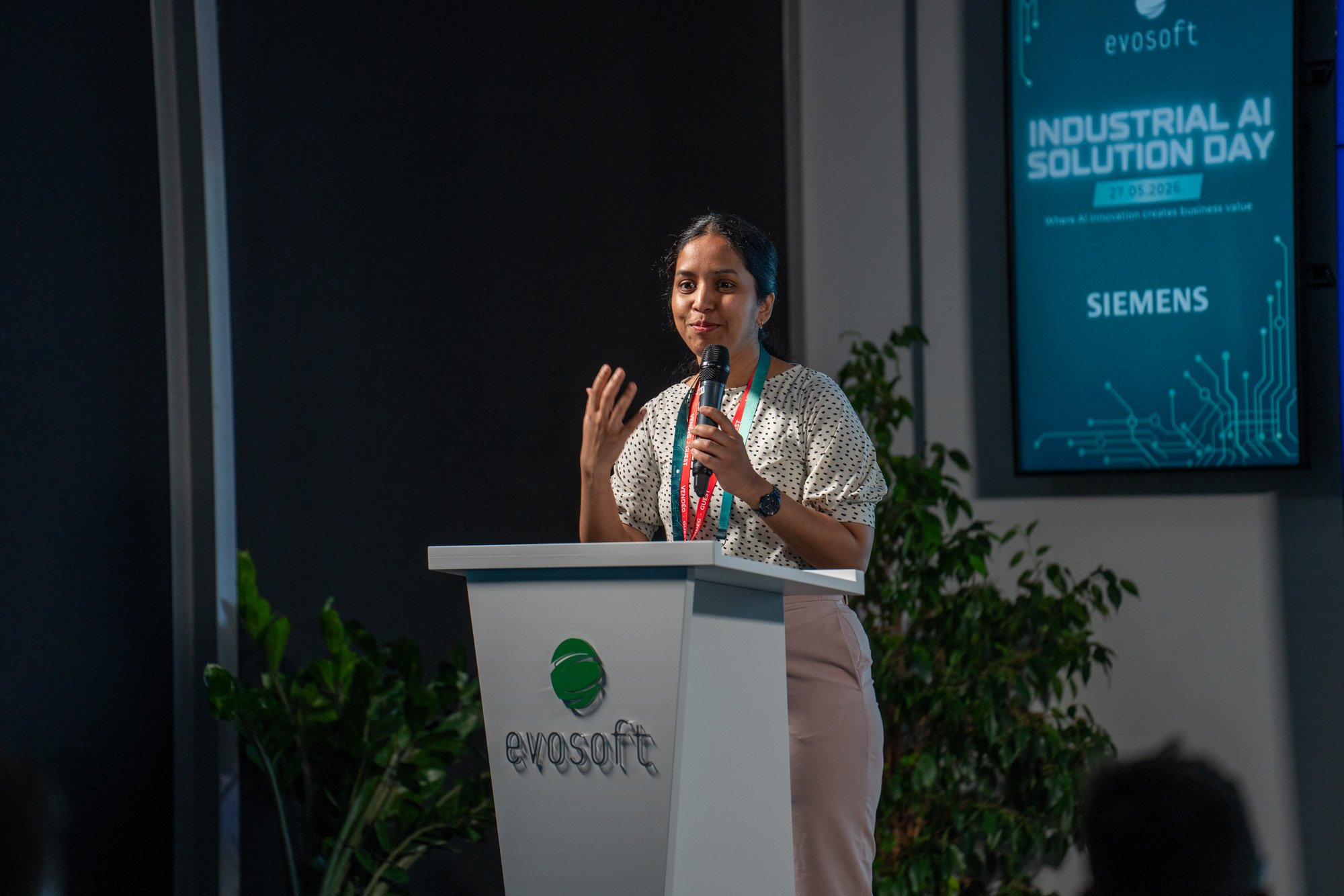
Pavithra Ramkumar: Standardized AI deployment (From PoC to rollout) demonstrated how industrial companies can move from isolated pilot projects to scalable solutions. The key insight is that reusing data, models, and deployment frameworks enables faster rollout and significantly reduces implementation cost at scale, while ensuring consistent quality across production lines.
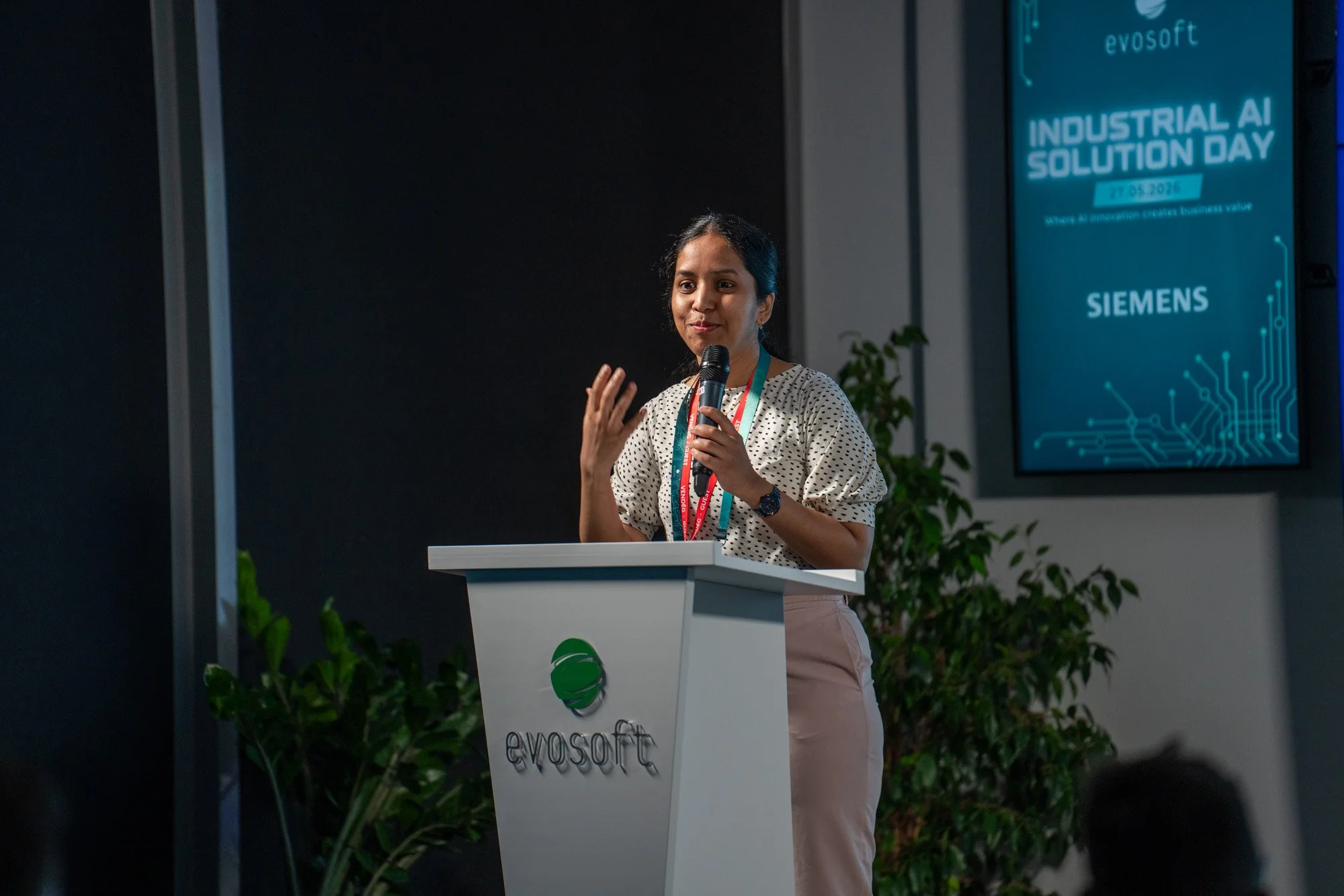
Presenter Pavithra Ramkumar
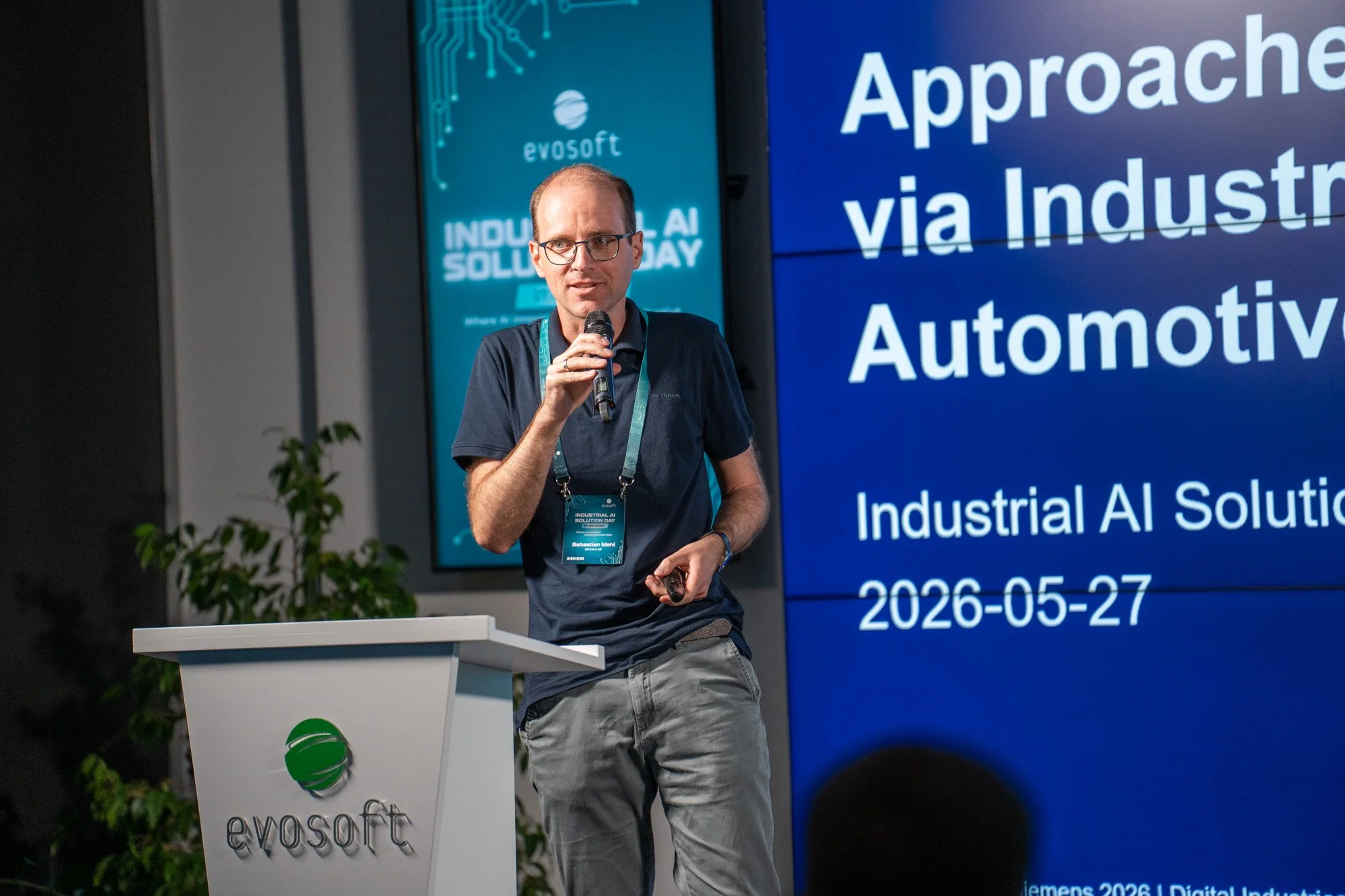
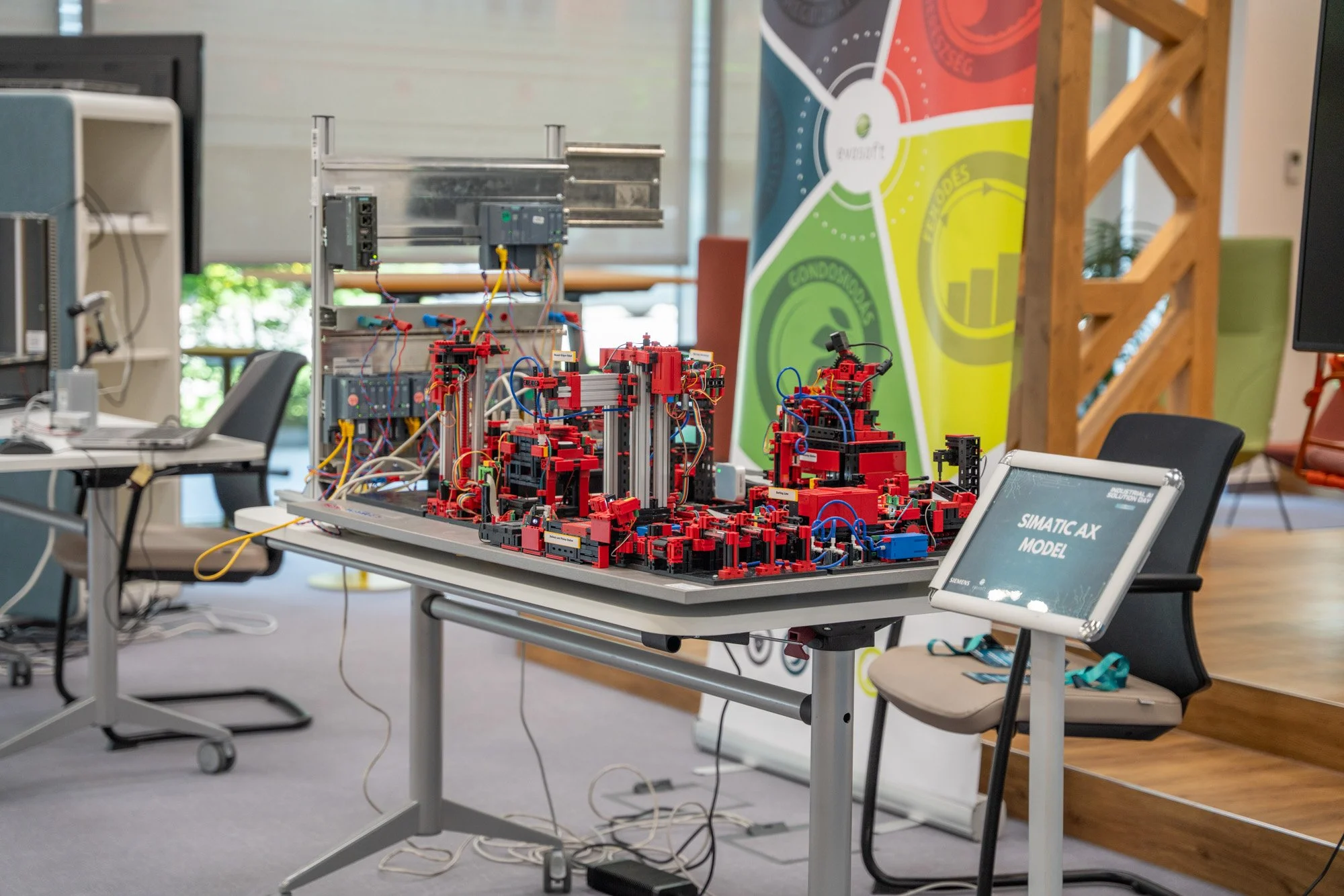
Sebastian Mehl to scale AI via Industrial Edge for Use Cases in Automotive and CPG Scaling AI via Industrial Edge highlighted one of the key bottlenecks of industrial AI today: while many AI solutions already exist, only a small portion actually reach production environments. The presentation showed that successful scaling requires tight integration with existing automation systems, standardization of deployment, and the ability to operate AI solutions reliably in industrial environments. Industrial Edge plays a key role here, enabling centralized management, secure deployment, and efficient rollout of AI applications across multiple sites.
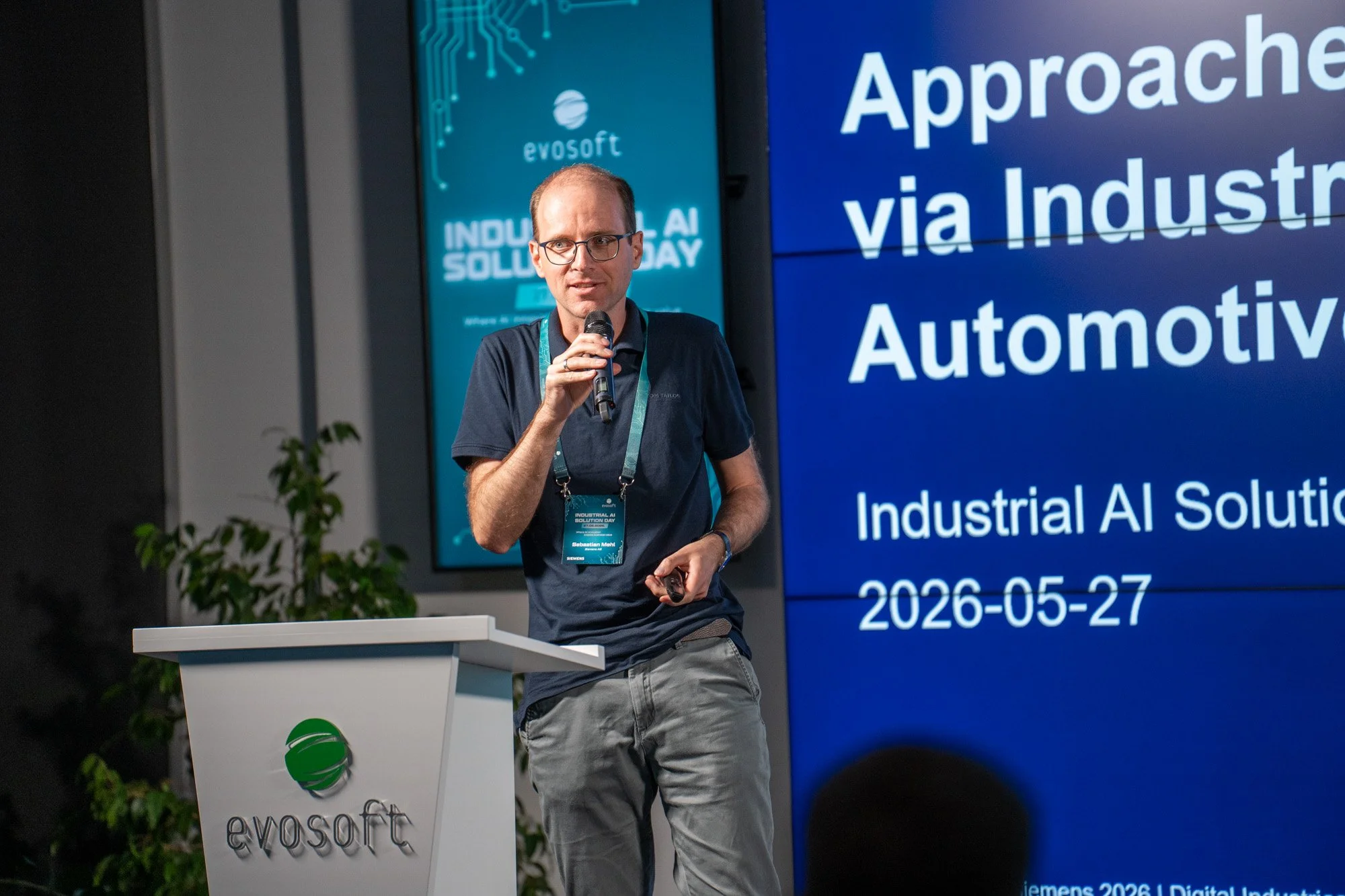
Presenter Sebastian Mehl
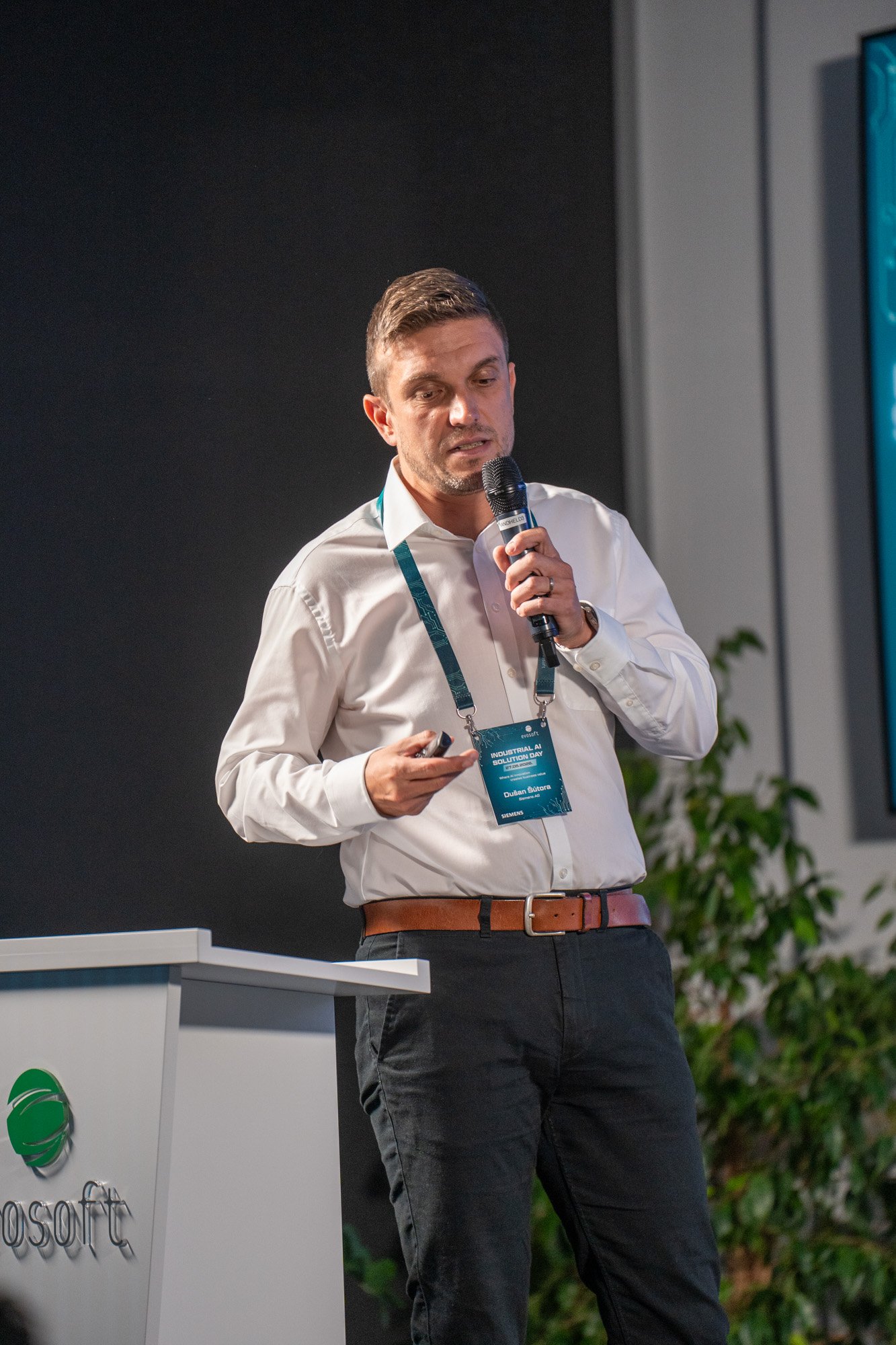
Dušan Šútora: Automotive AI PoCs and projects provided concrete examples from production environments, including predictive maintenance and sound-based anomaly detection. These solutions showed how operational data such as torque, speed, or acoustic signals can be used to detect issues early and avoid unplanned downtime.
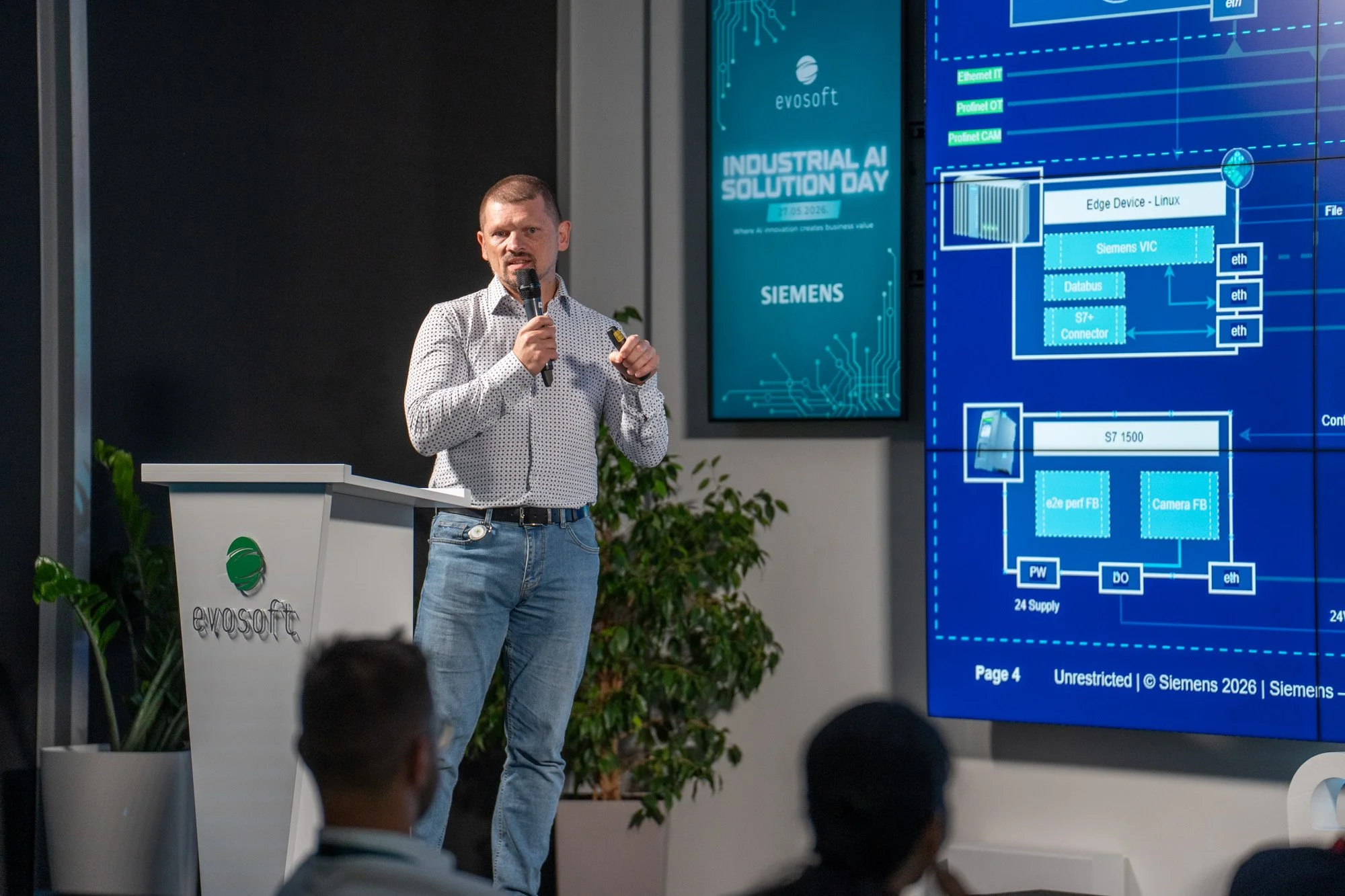
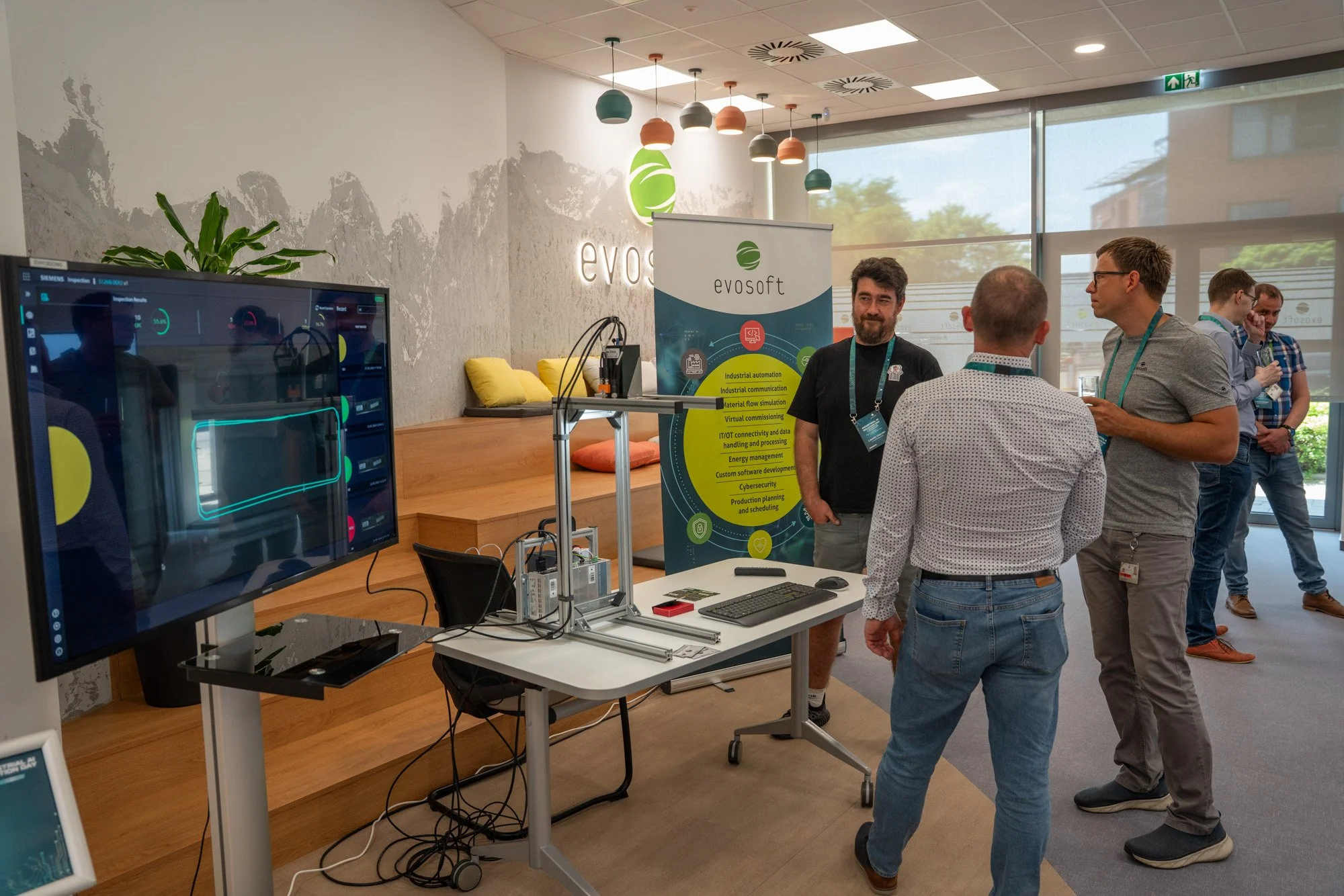
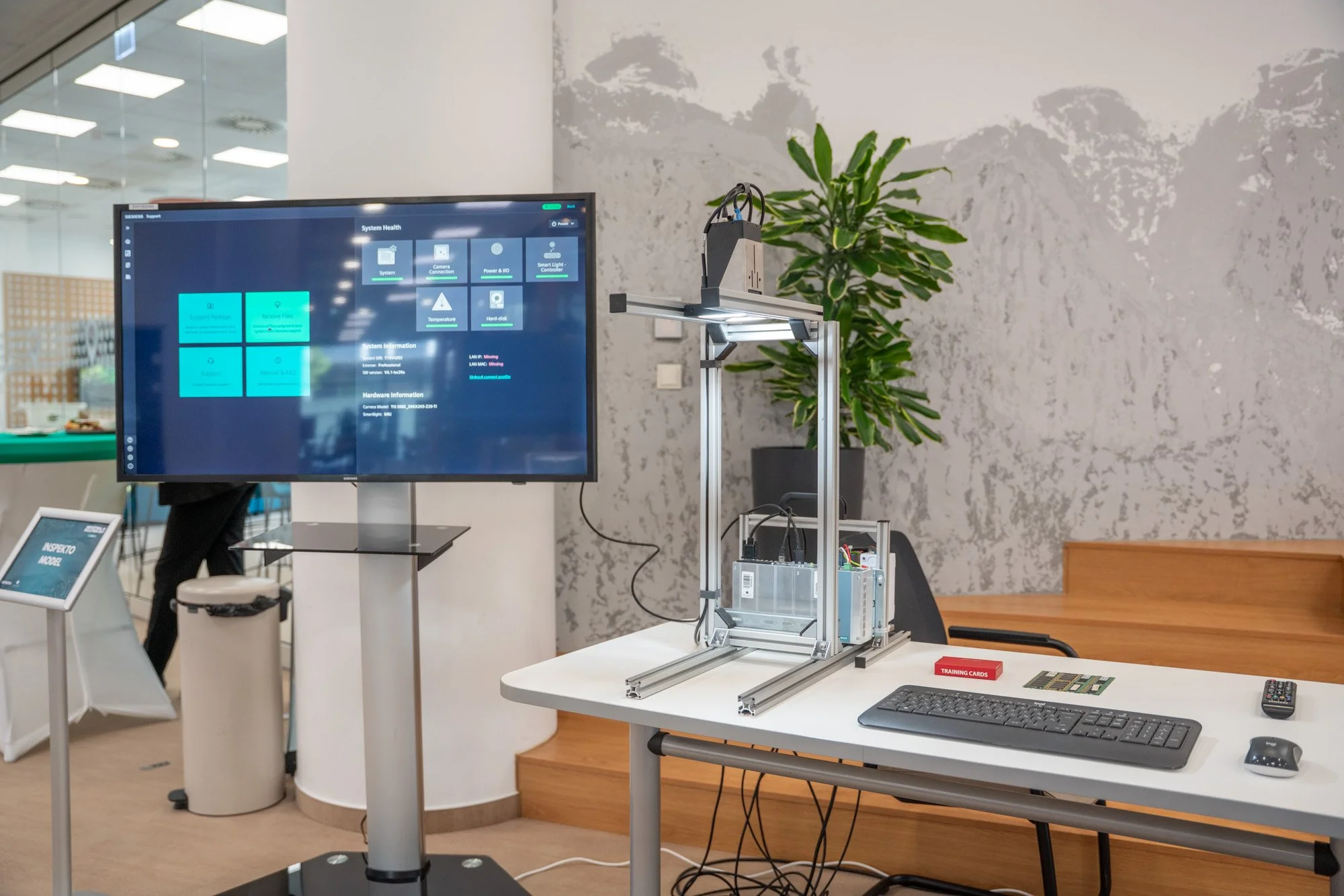
József Kovács: Visual Inspection Cockpit (VIC) highlighted how AI-based visual inspection can be directly integrated into production processes. A real-world example demonstrated automated inspection of welding points, where inspection results are fed back to the PLC system to enable real-time intervention in the manufacturing process.
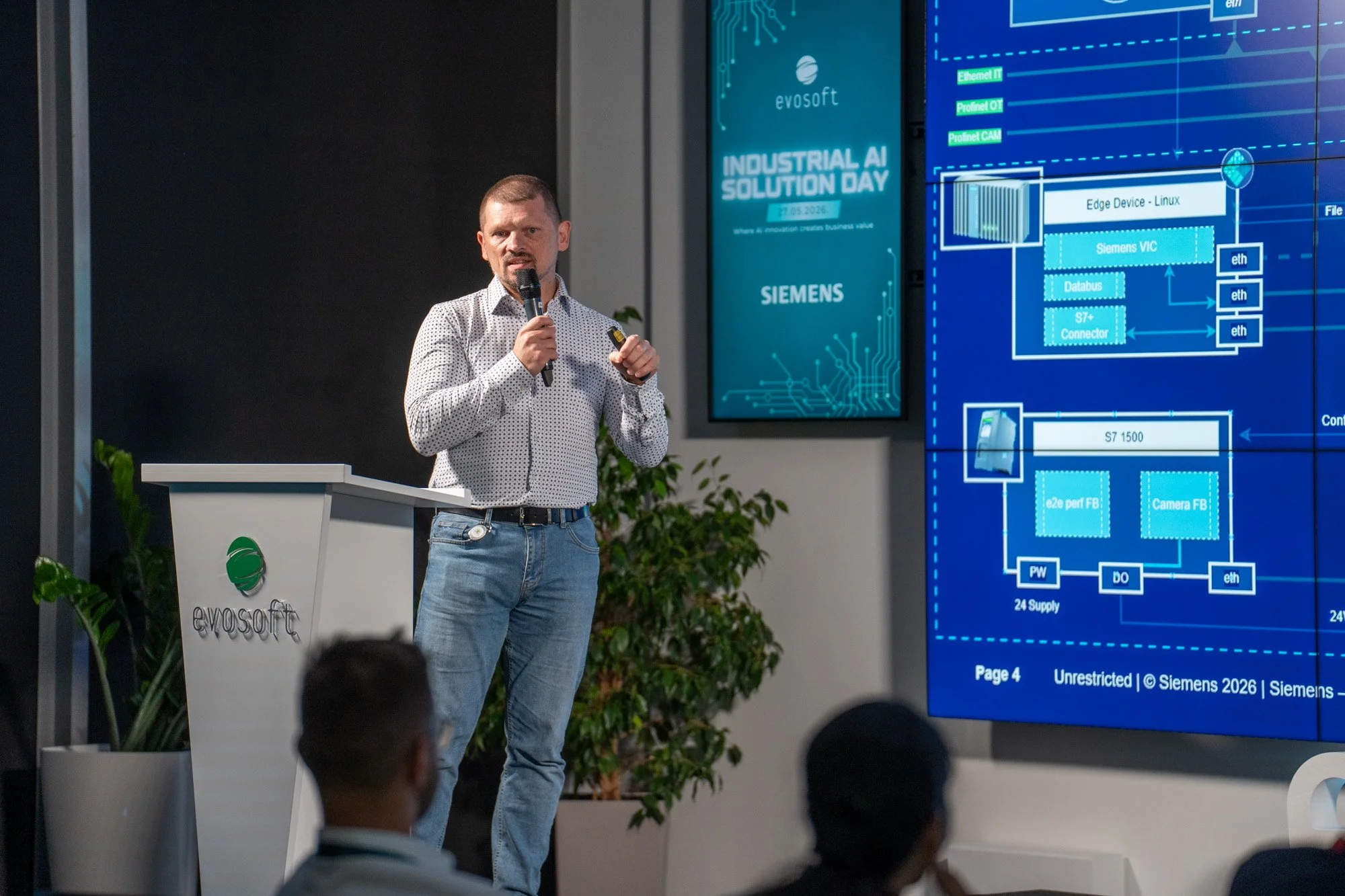
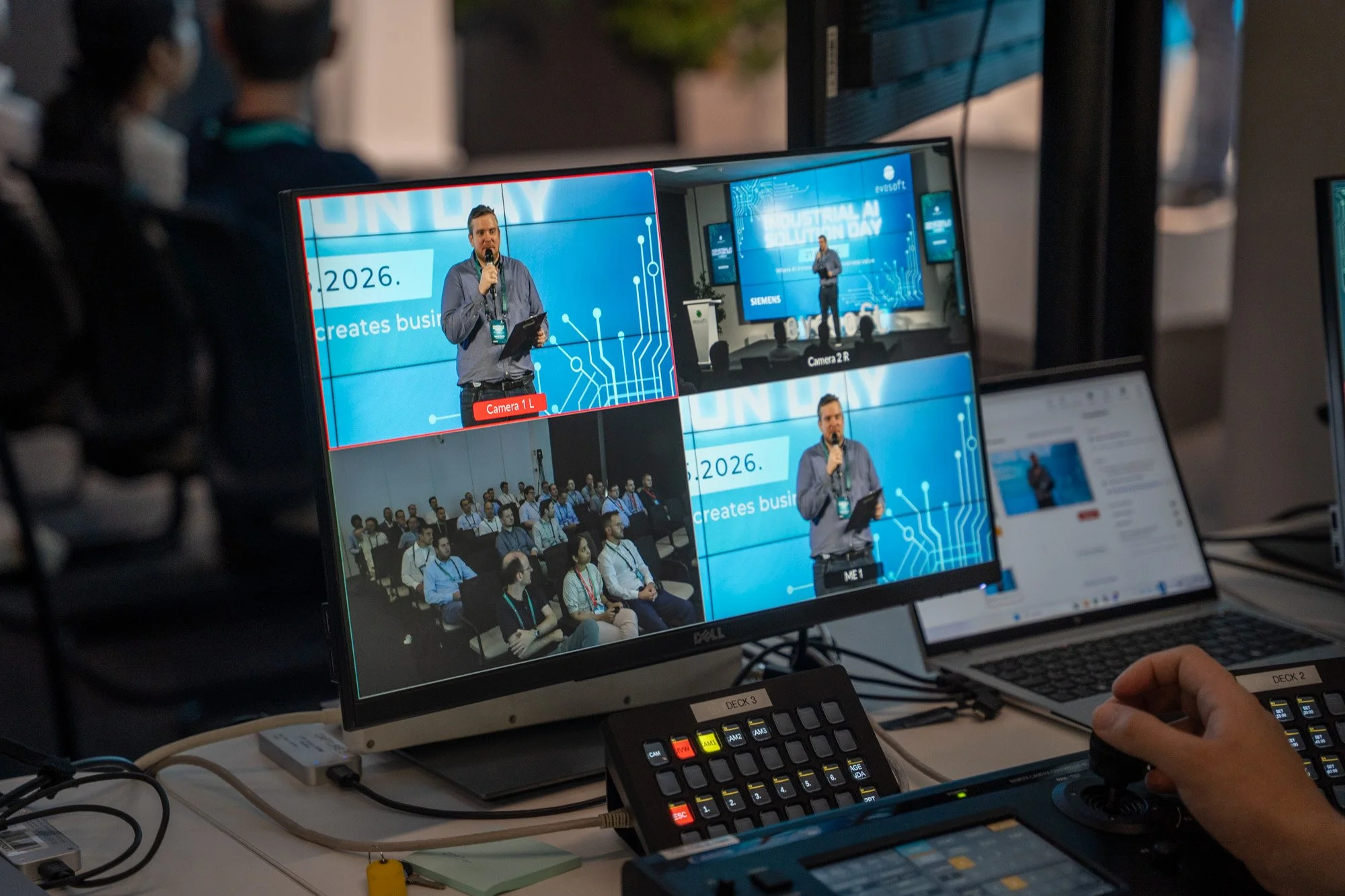
Presenter József Kovács
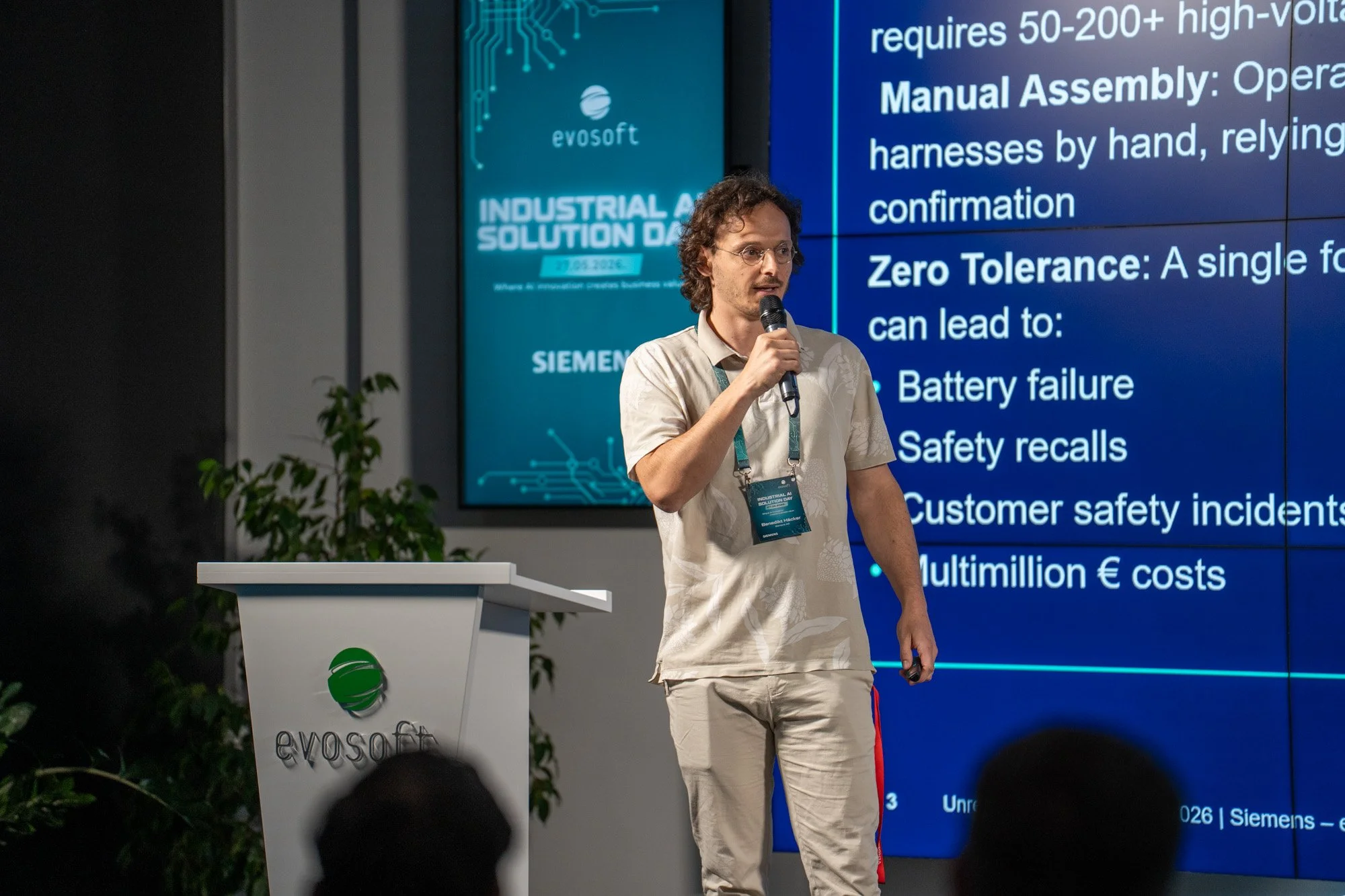
Benedikt Häcker: Audio Event Detection (Click Detection Blueprint) addressed a critical quality assurance challenge in e-mobility production. By detecting the “click” of connectors during manual assembly, the solution provides real-time feedback to operators and ensures that no connection is missed—significantly reducing quality risks and potential safety issues.
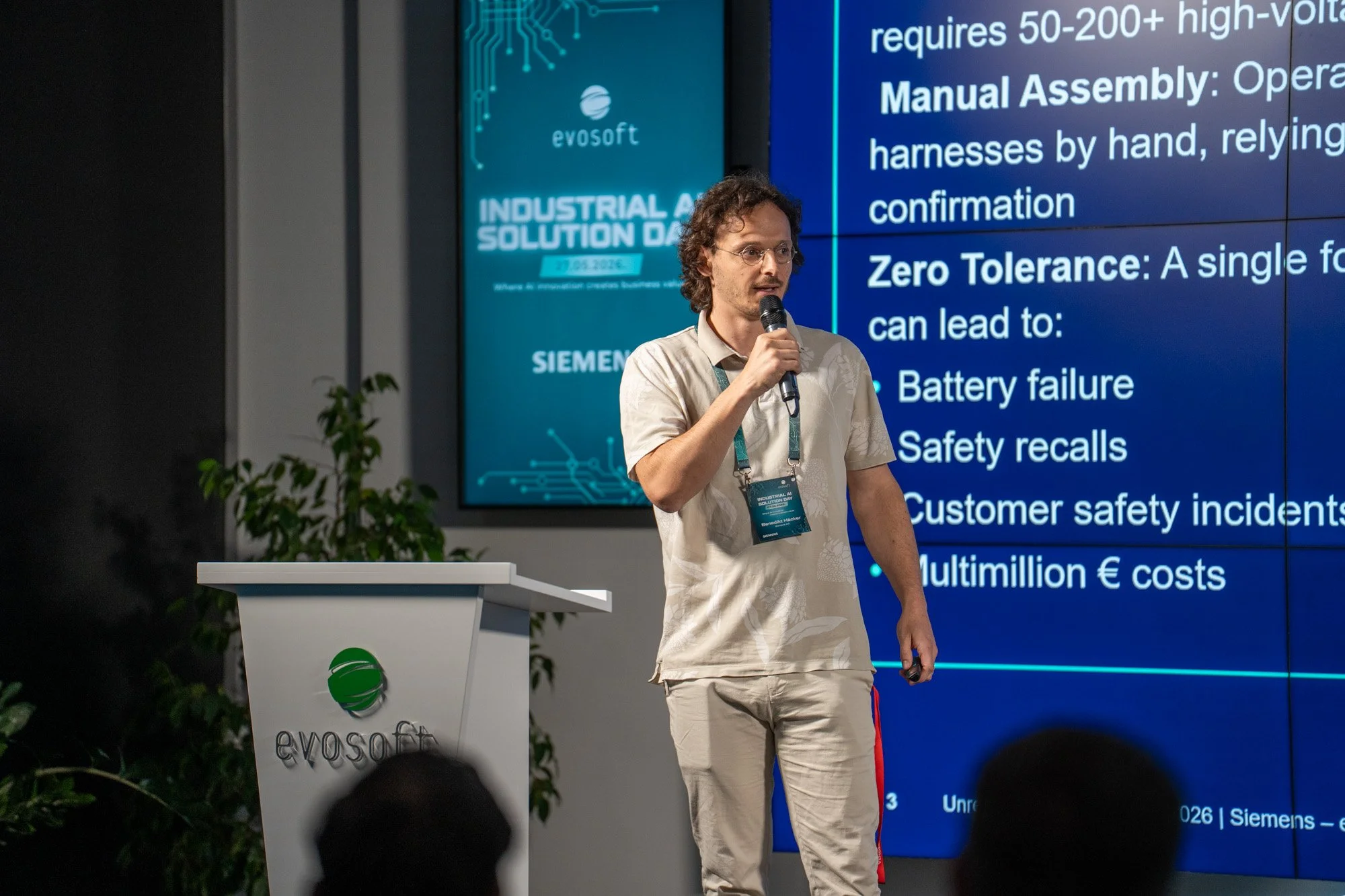
Presenter Benedikt Häcker
Friedrich Schrack: Predictive Maintenance with Senseye demonstrated how AI can shift maintenance strategies from reactive to proactive. By analyzing operational data such as vibration, torque, or temperature, the system can detect anomalies early and support data-driven maintenance decisions, reducing downtime and operational cost.
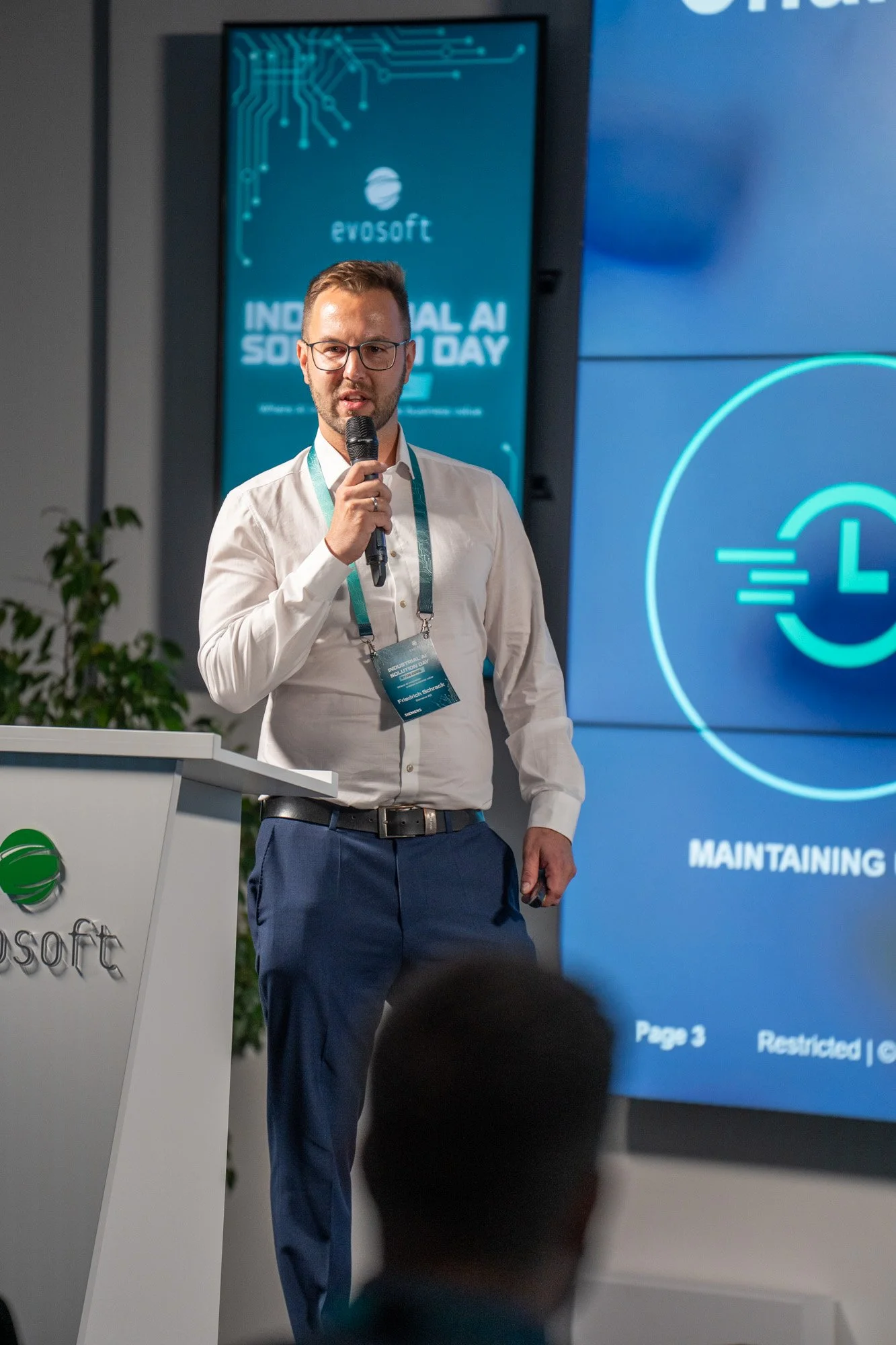
Presenter Friedrich Schrack
Who benefits: from shopfloor to management
A common pattern across all presentations is that industrial AI solutions create value across multiple layers of the organization:
Operators receive real-time feedback and decision support directly on the shopfloor
Production teams benefit from improved quality and reduced manual inspection effort
Maintenance teams can act earlier based on predictive insights
Management gains scalable solutions that can be rolled out consistently across multiple sites
This clearly shows that industrial AI is not only a technology topic, but a cross-functional enabler of operational excellence and measurable business value.
Strategic impact: shared direction, shared future
From a forward-looking perspective, the event also enabled several concrete next steps:
focusing on developing reusable AI “blueprints” (e.g. click detection, visual inspection, predictive maintenance) instead of isolated customer-specific solutions
strengthening cooperation between evosoft and Siemens Digital Industries on Industrial Edge–based AI deployments
transforming selected PoCs into sales-ready, scalable offerings that can be directly positioned towards customers
One concrete example is the further development of the Audio Event Detection solution into a fully deployable Industrial Edge package, enabling fast rollout across different customers and production environments.
Overall, the Industrial AI Solution Day demonstrated that Siemens is in a strong position to industrialize AI: combining domain expertise, scalable technology platforms, and cross-country collaboration to deliver real, measurable business impact.
🤝 🔎 We are actively looking for new partners.
Are you interested in these AI use cases? Would you like to try it in your project or explore the technical details?
Do you have similar solution that you would like to introduce?
We are open to collaboration, pilot projects, joint thinking and use‑case trials – maybe with you as our next partner.
Contact us, and let’s shape the future of software development together.
Szabolcs Győrfi – szabolcs.gyorfi@evosoft.com