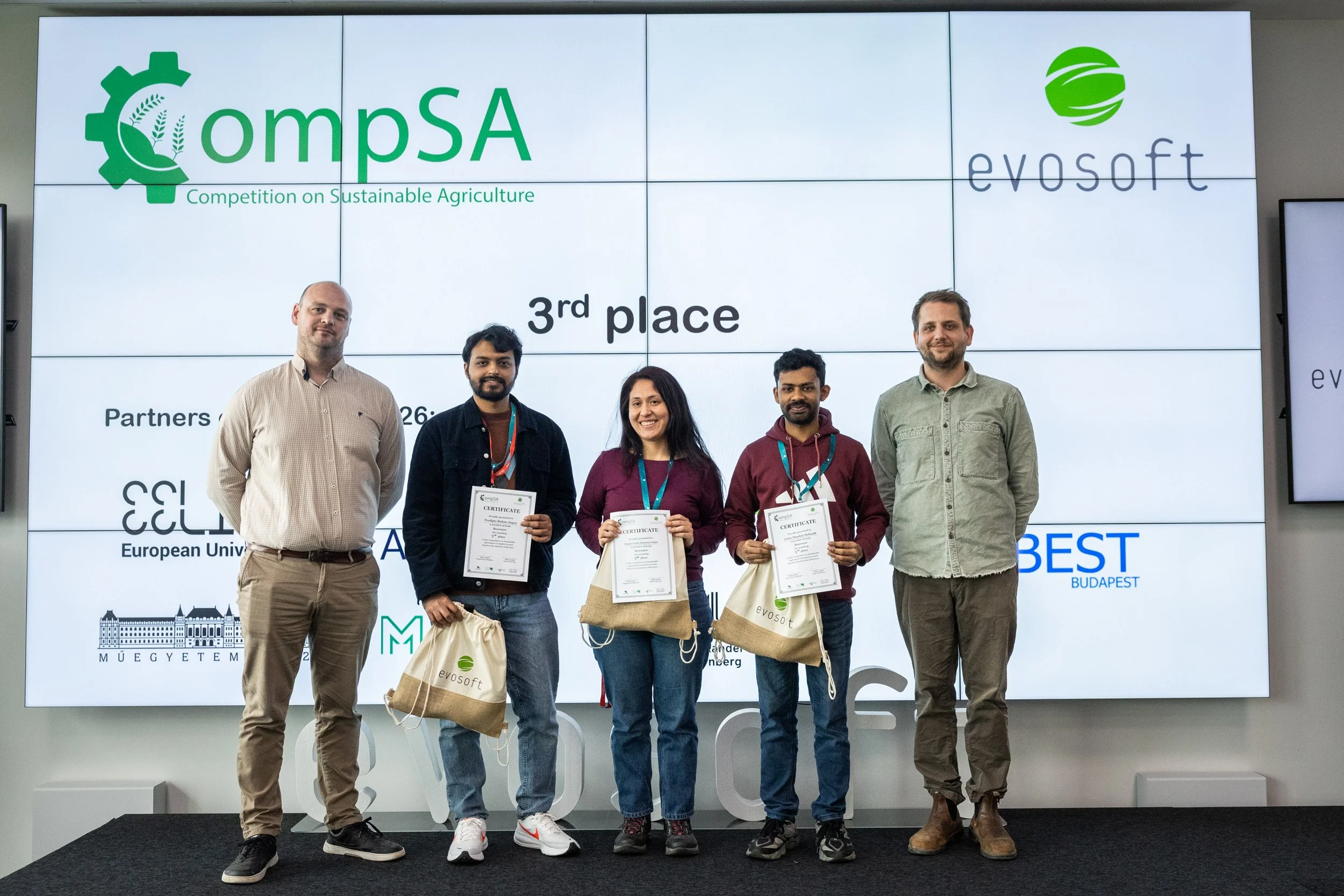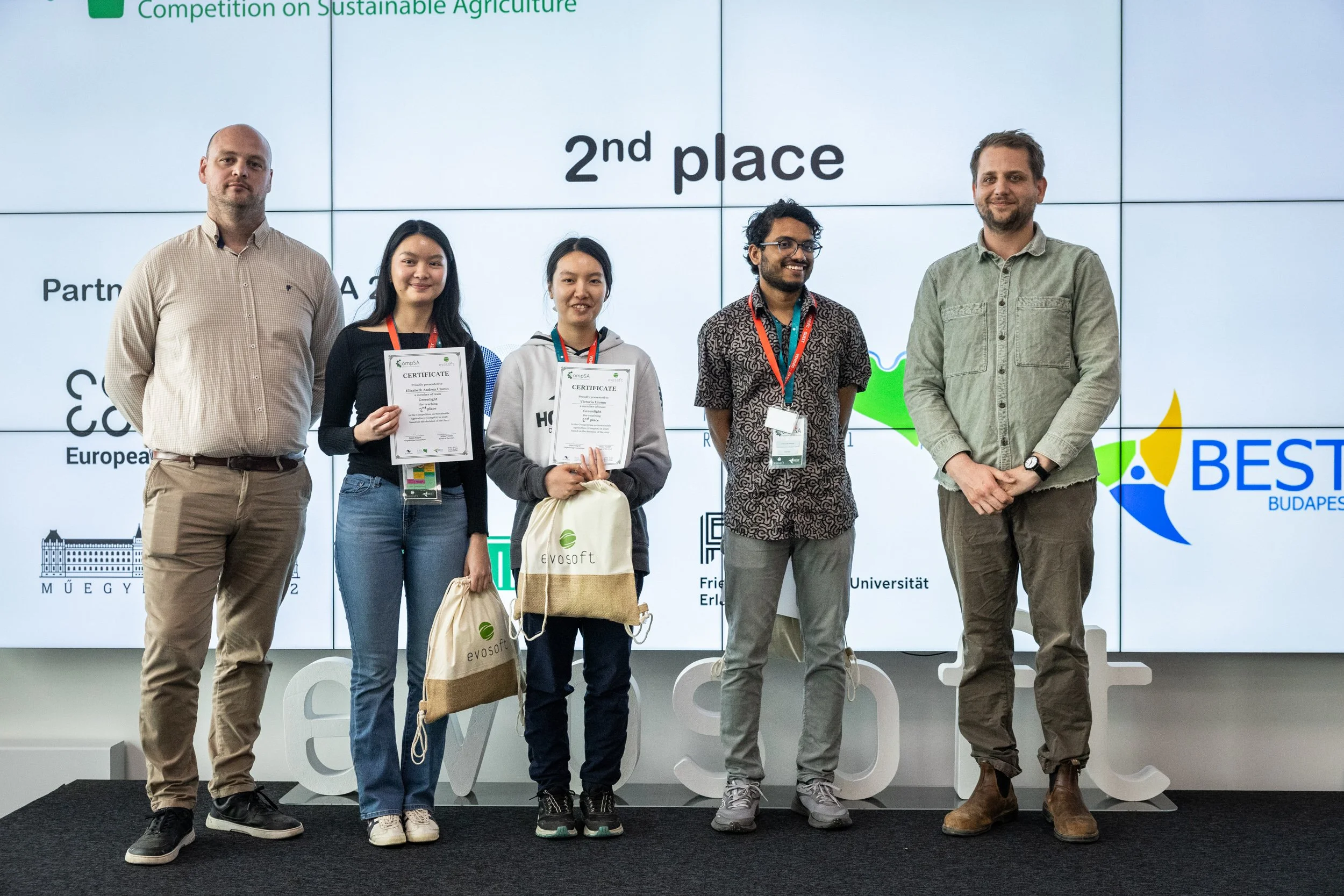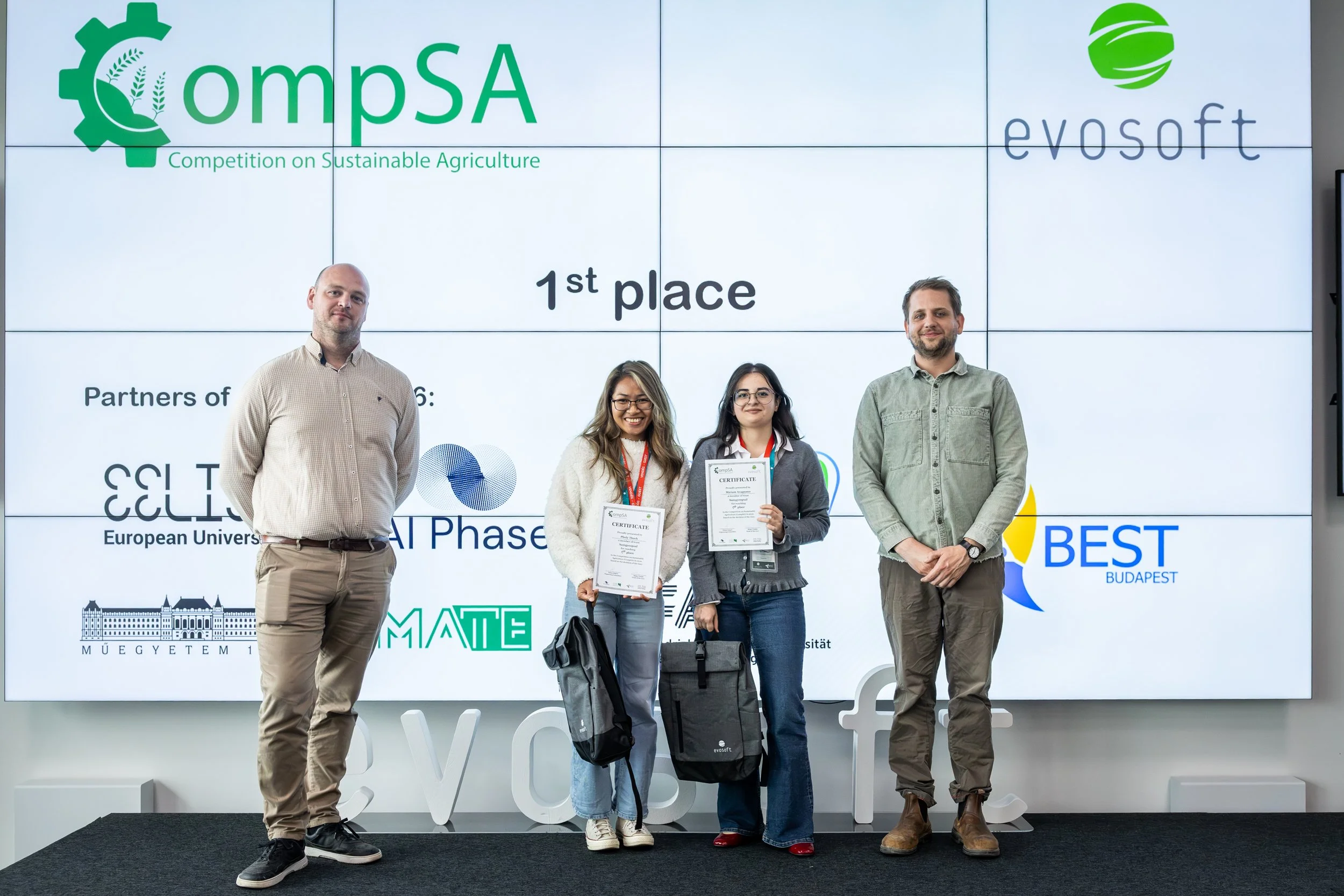
💧🌍 COMPSA 2026 – Engineering thinking for real sustainability challenges
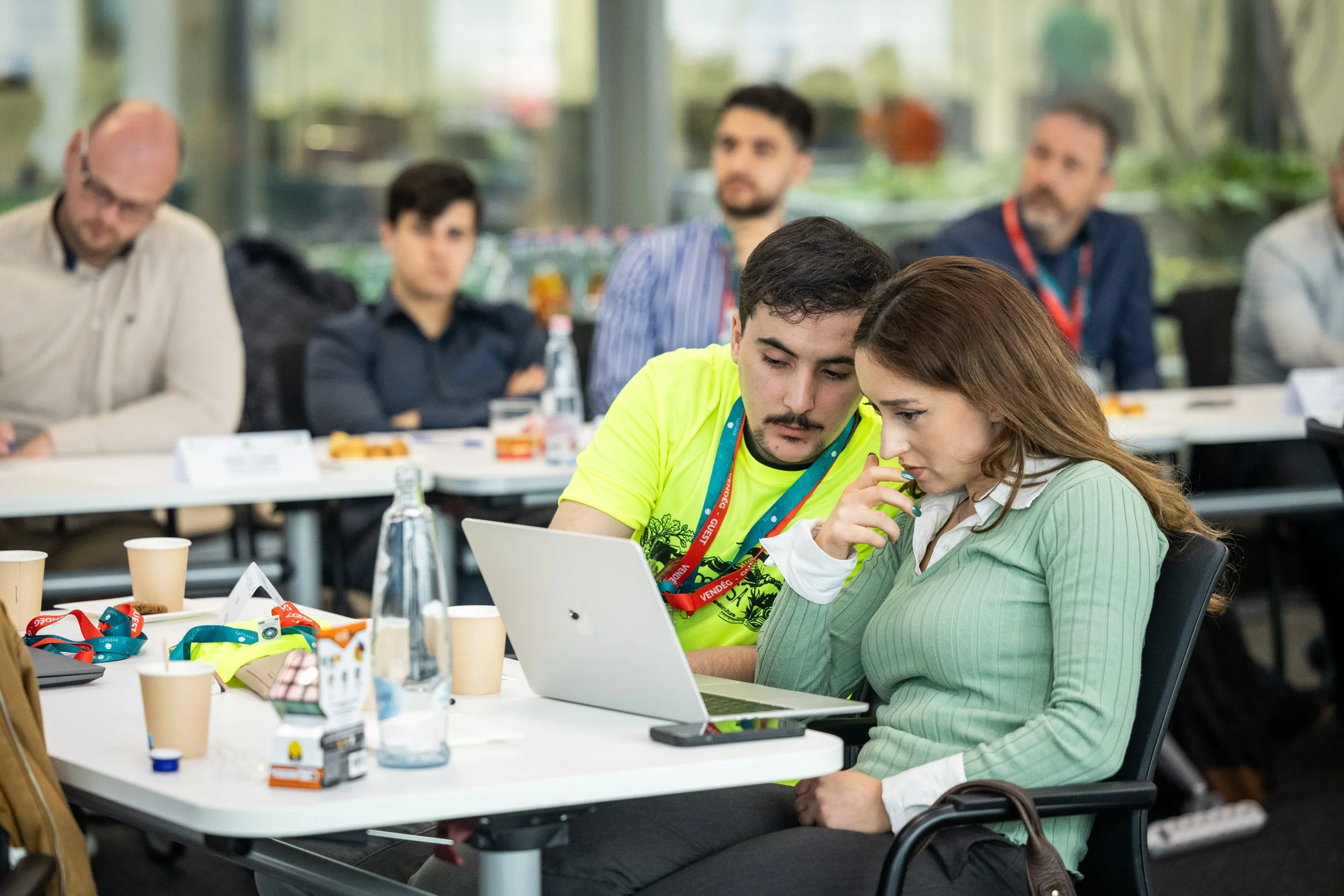
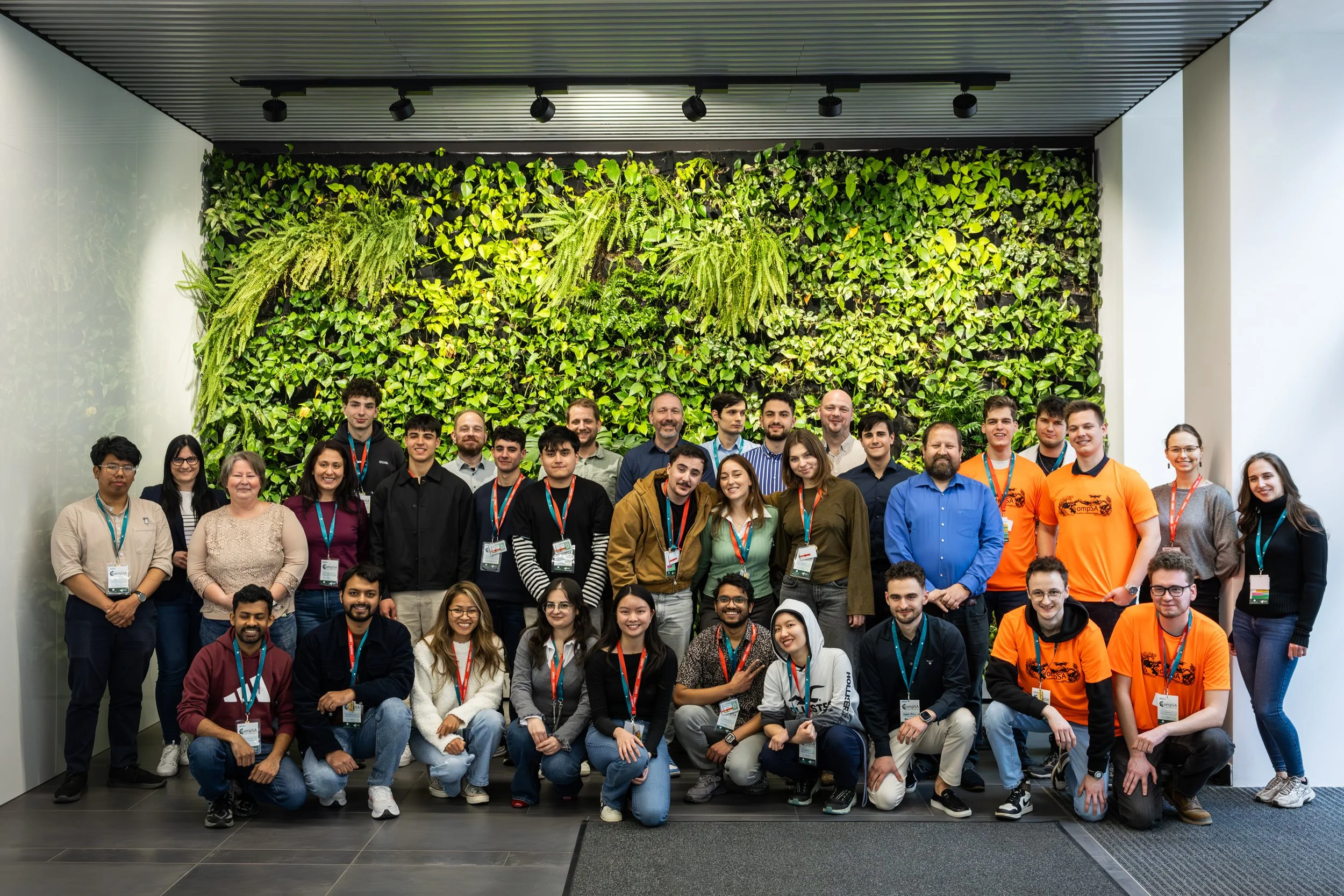
We organized the COMPSA competition for the second time this year – an international student challenge at the intersection of sustainability and engineering problem‑solving.
🌧️ In 2026, the theme focused on the water retention challenges of the Pilis Biosphere Reserve and the Pilisi Parkerdő (Pilis Forestry), with teams working in collaboration with the Duna–Ipoly National Park Directorate, the official problem owner. 🌲
💡 The competition began with an online round, where students submitted a three‑page concept and a short video on how to reduce the impacts of heavy rainfall and improve soil water retention. Submissions were jointly evaluated by experts from the Hungarian University of Agriculture and Life Sciences (MATE), the BME Faculty of Mechanical Engineering, Friedrich Alexander Universität Erlangen-Nürnberg (FAU), and AI Phase, ensuring a multi-perspective, high‑level professional review.
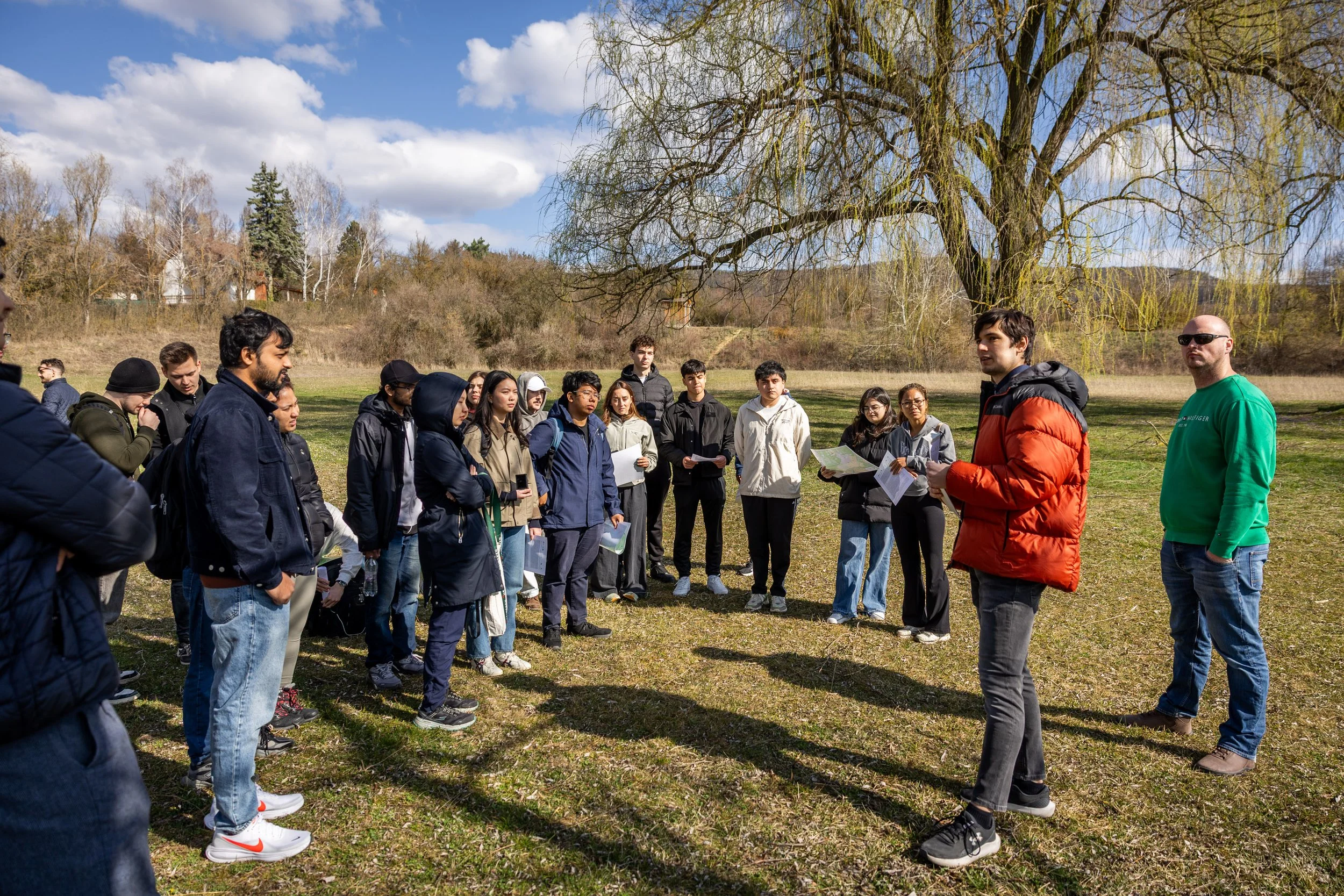
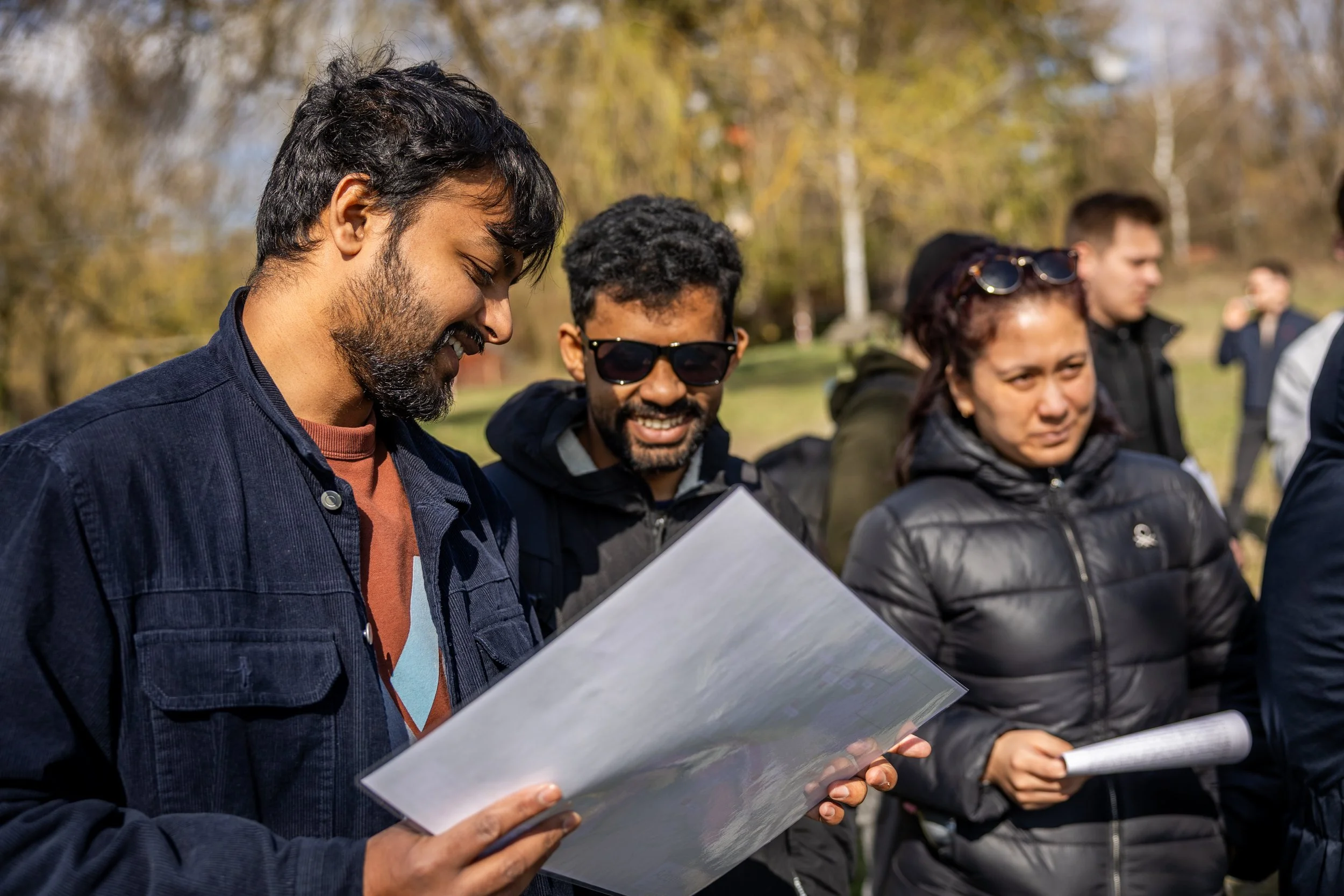
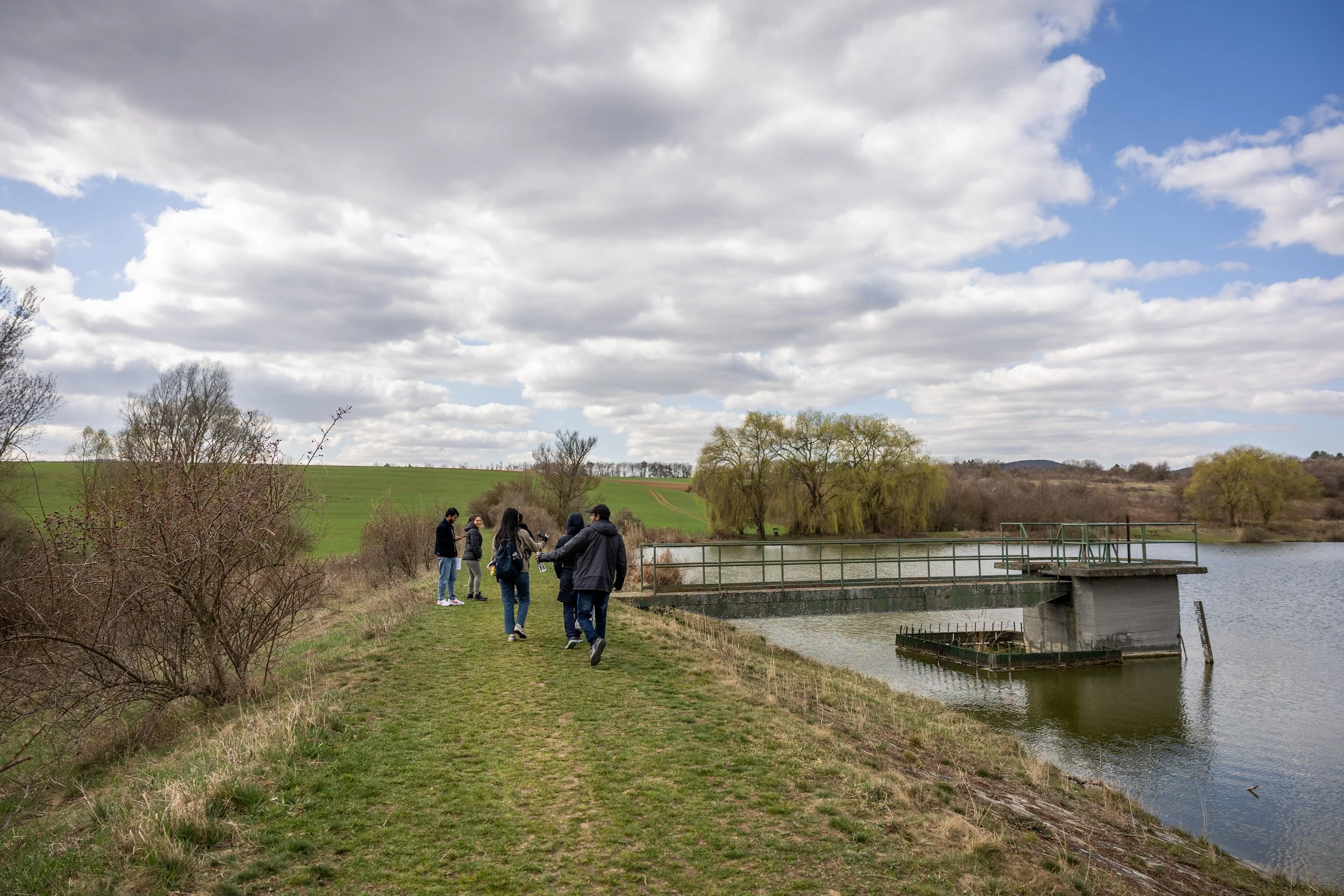
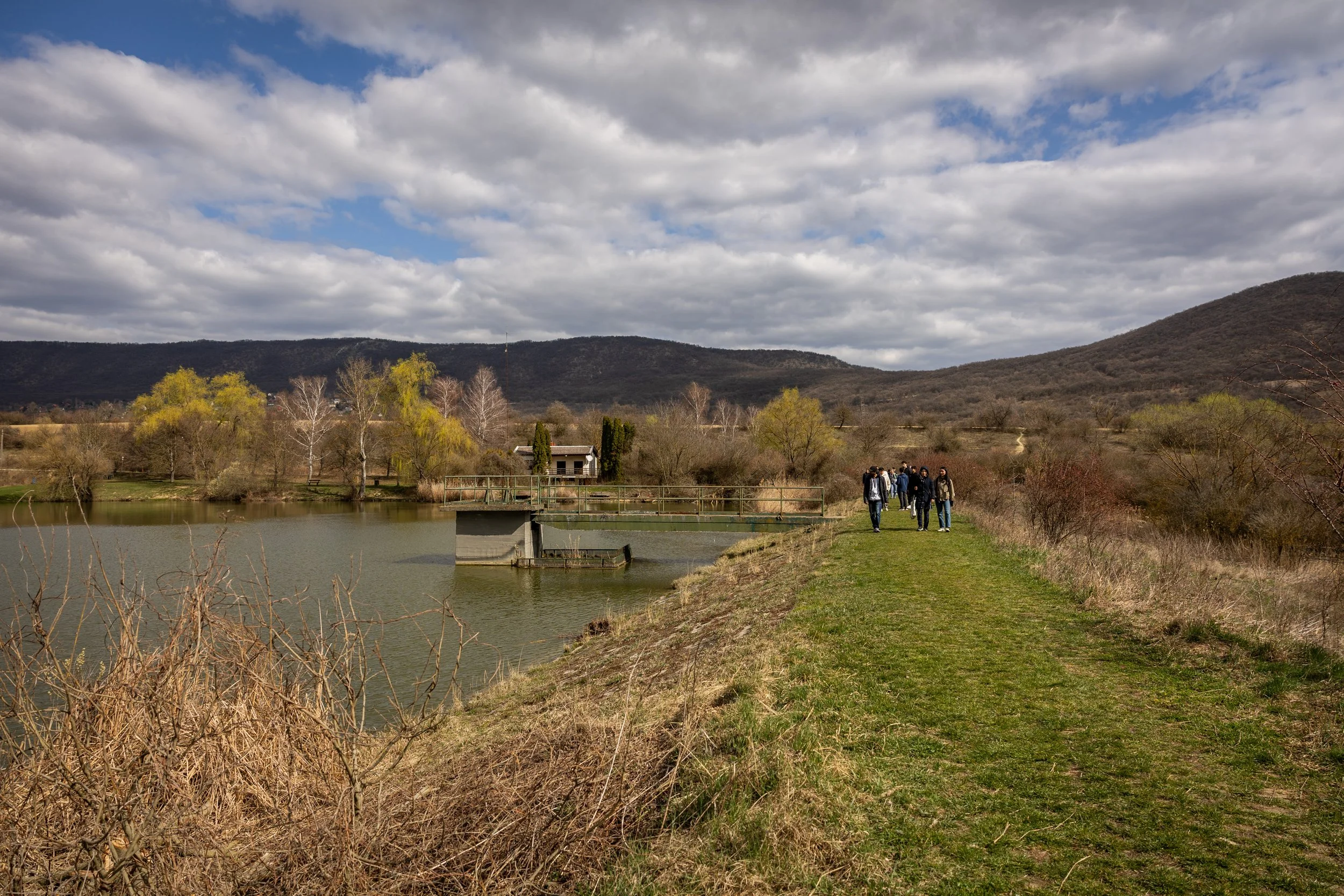
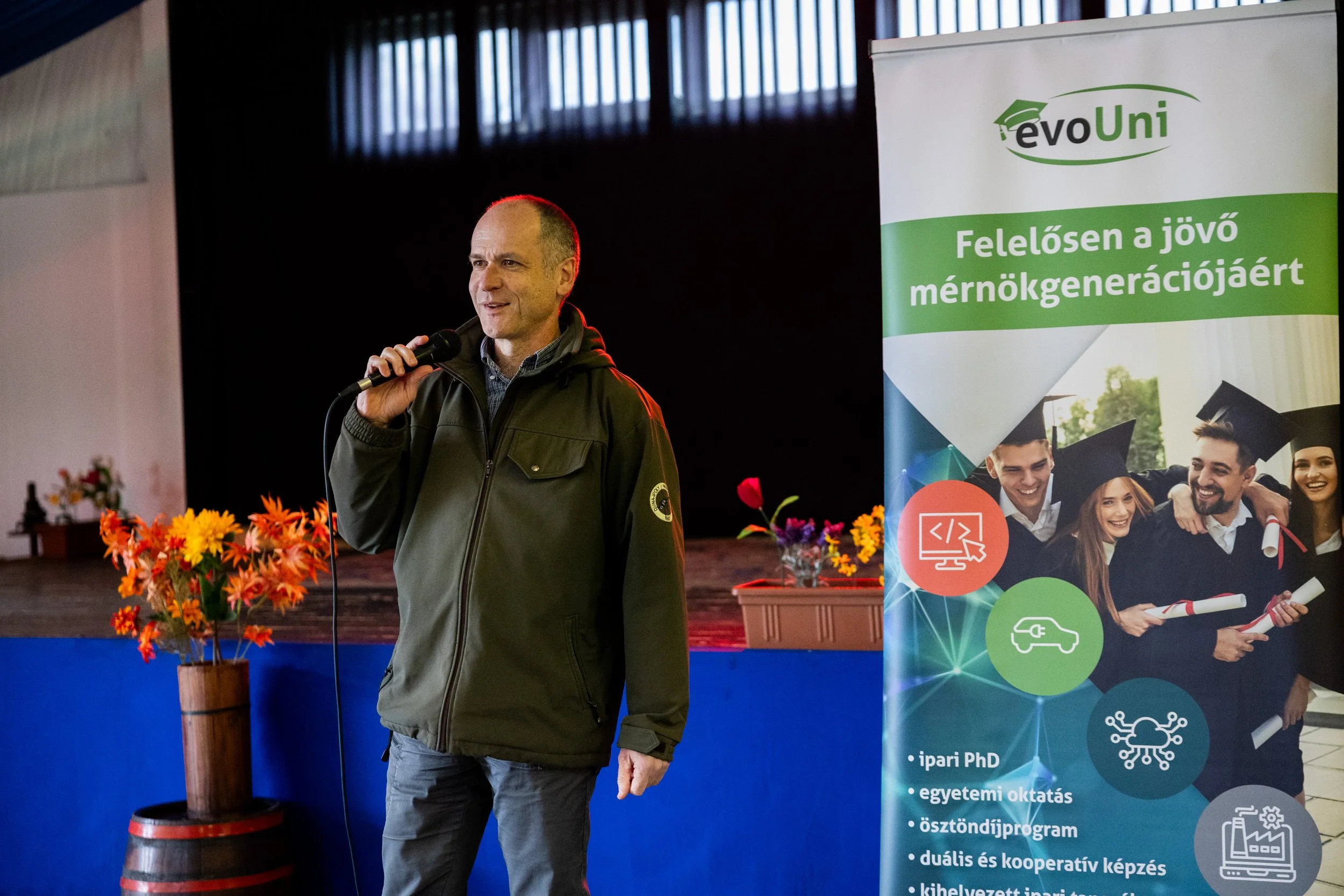
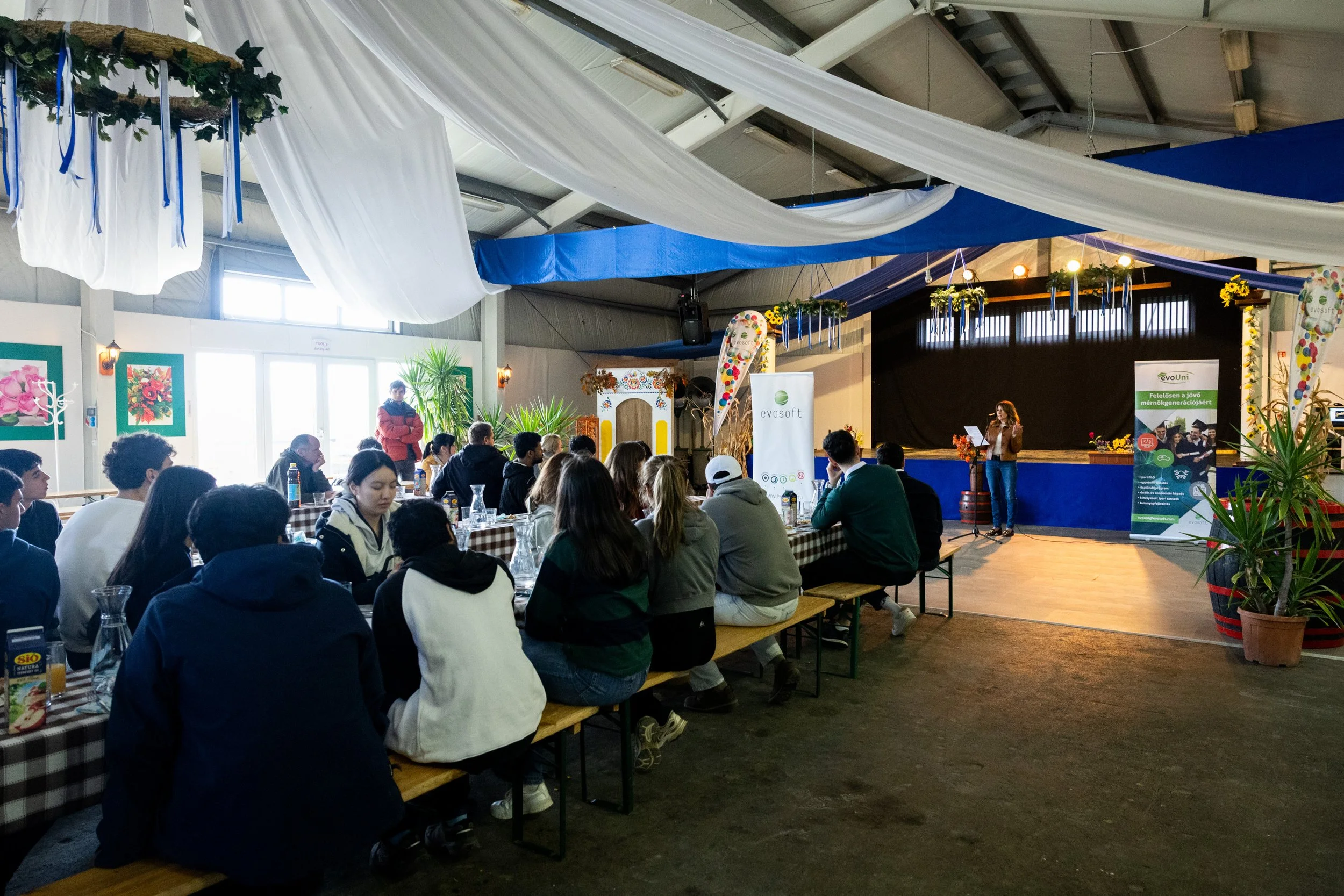
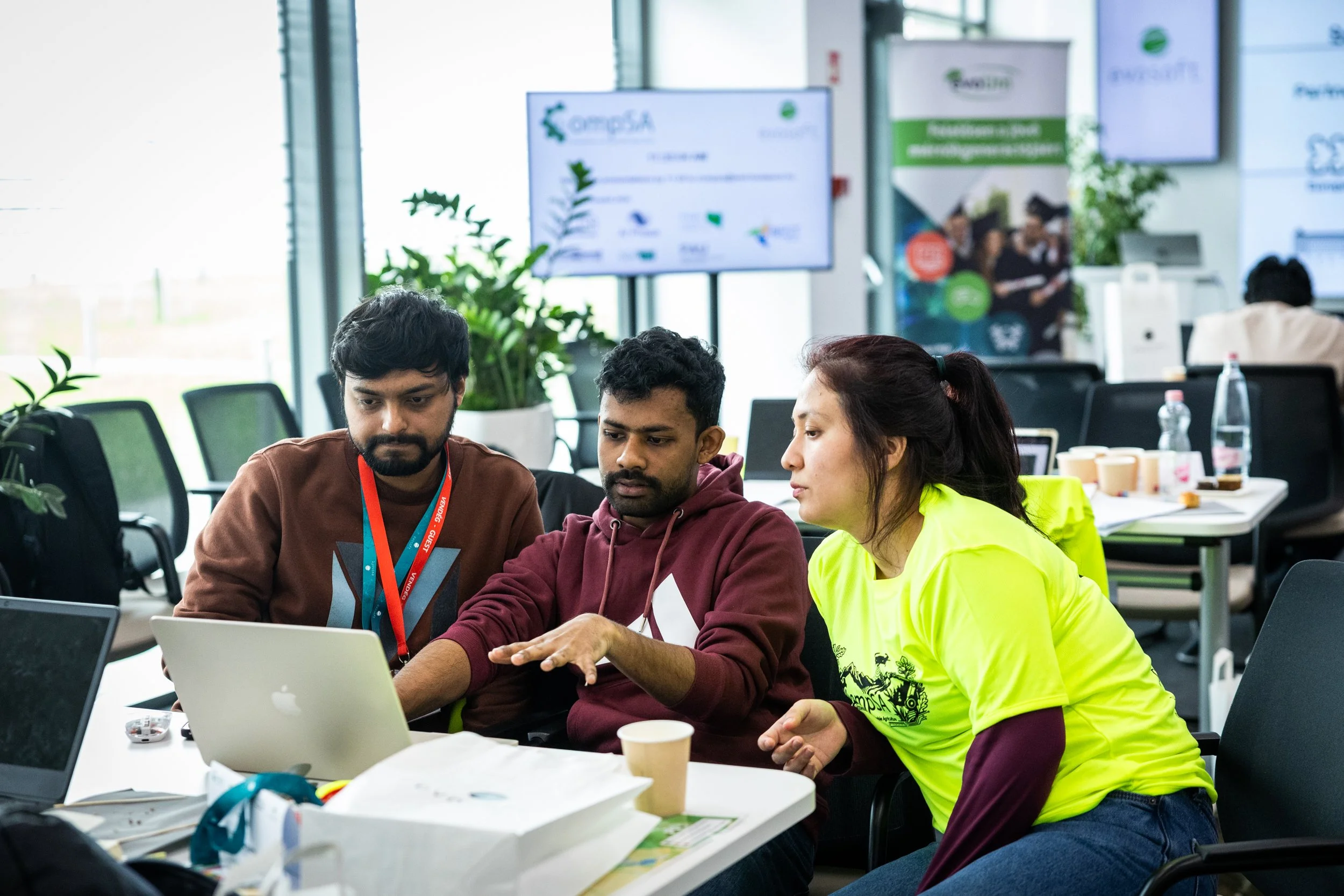
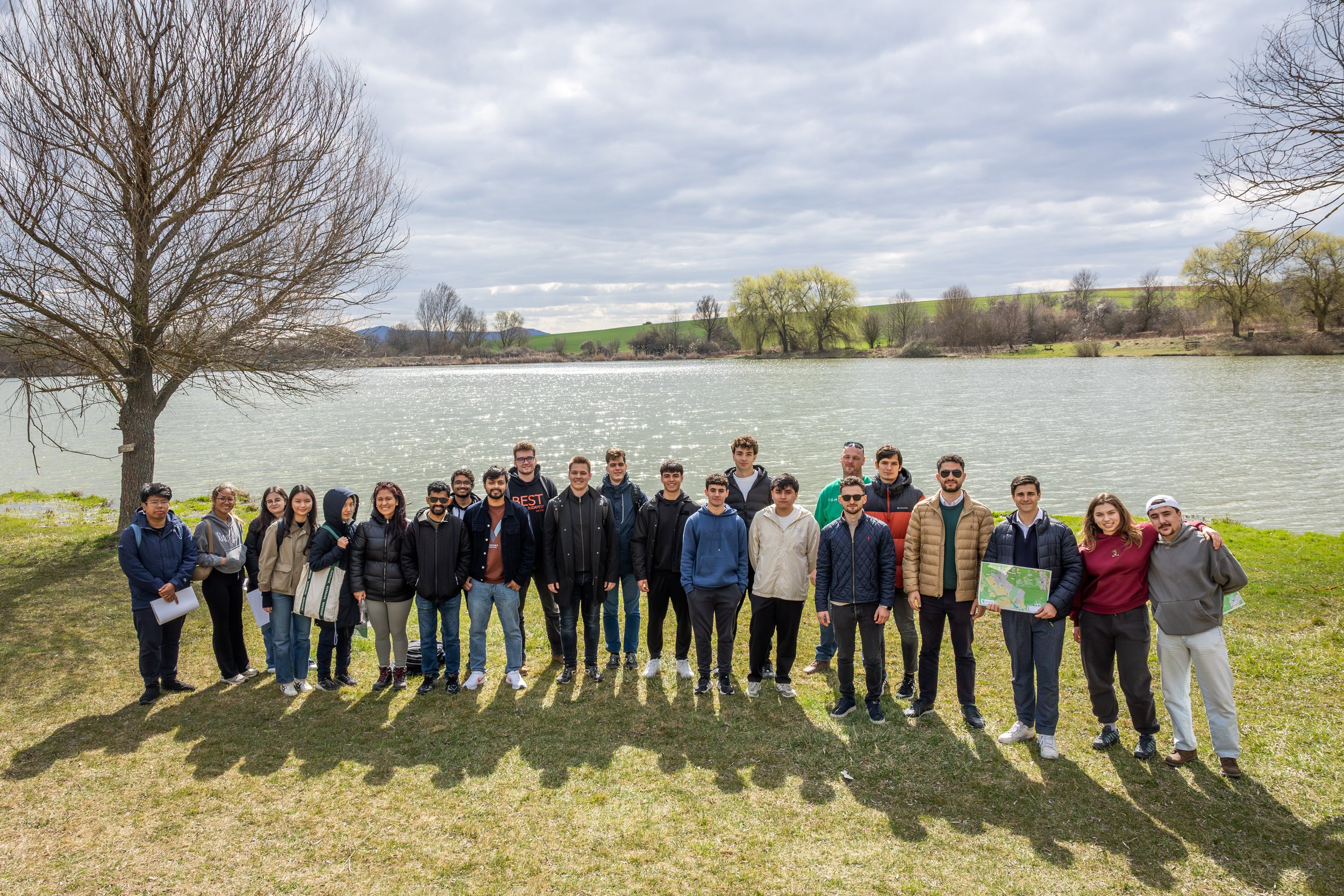
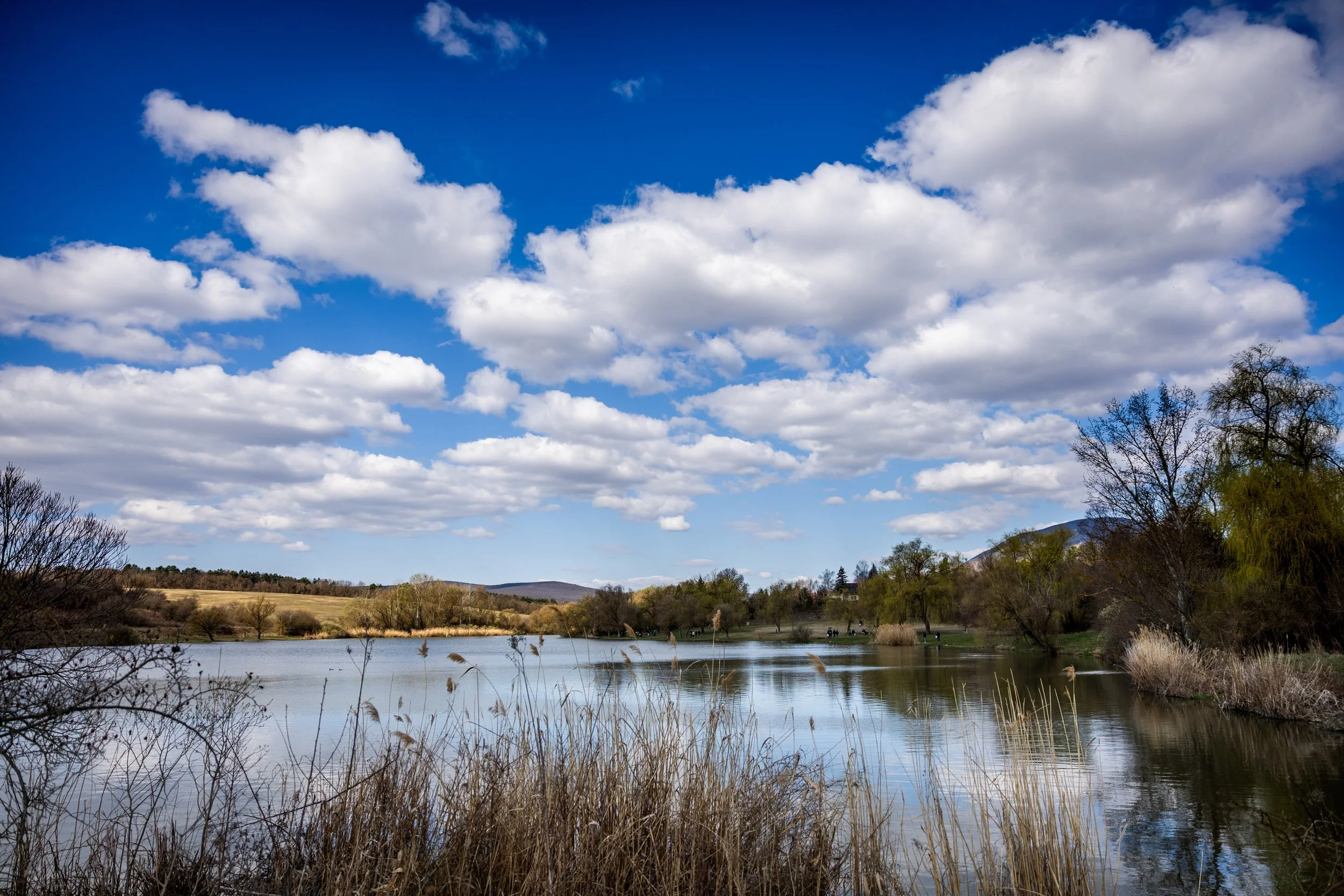
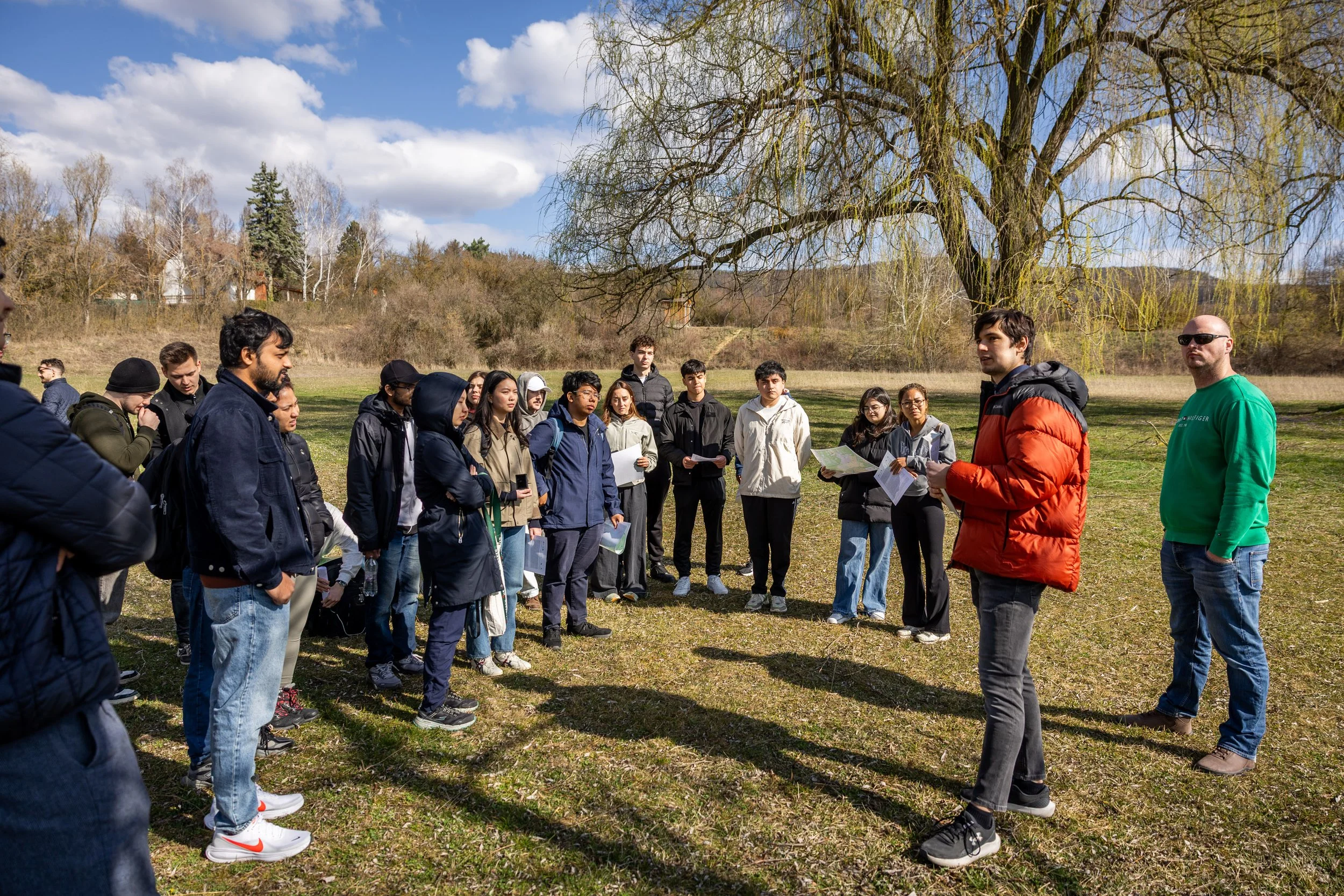
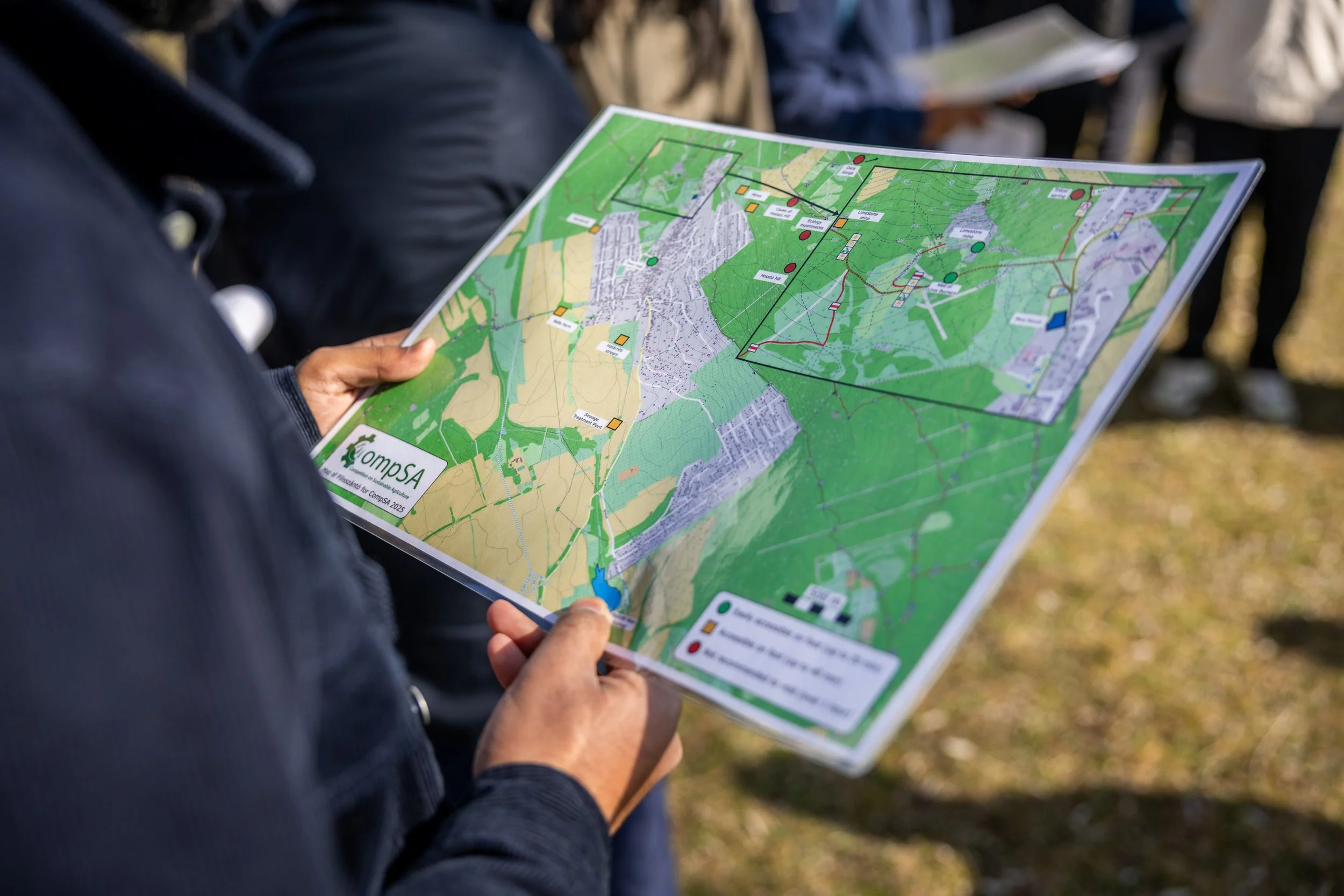
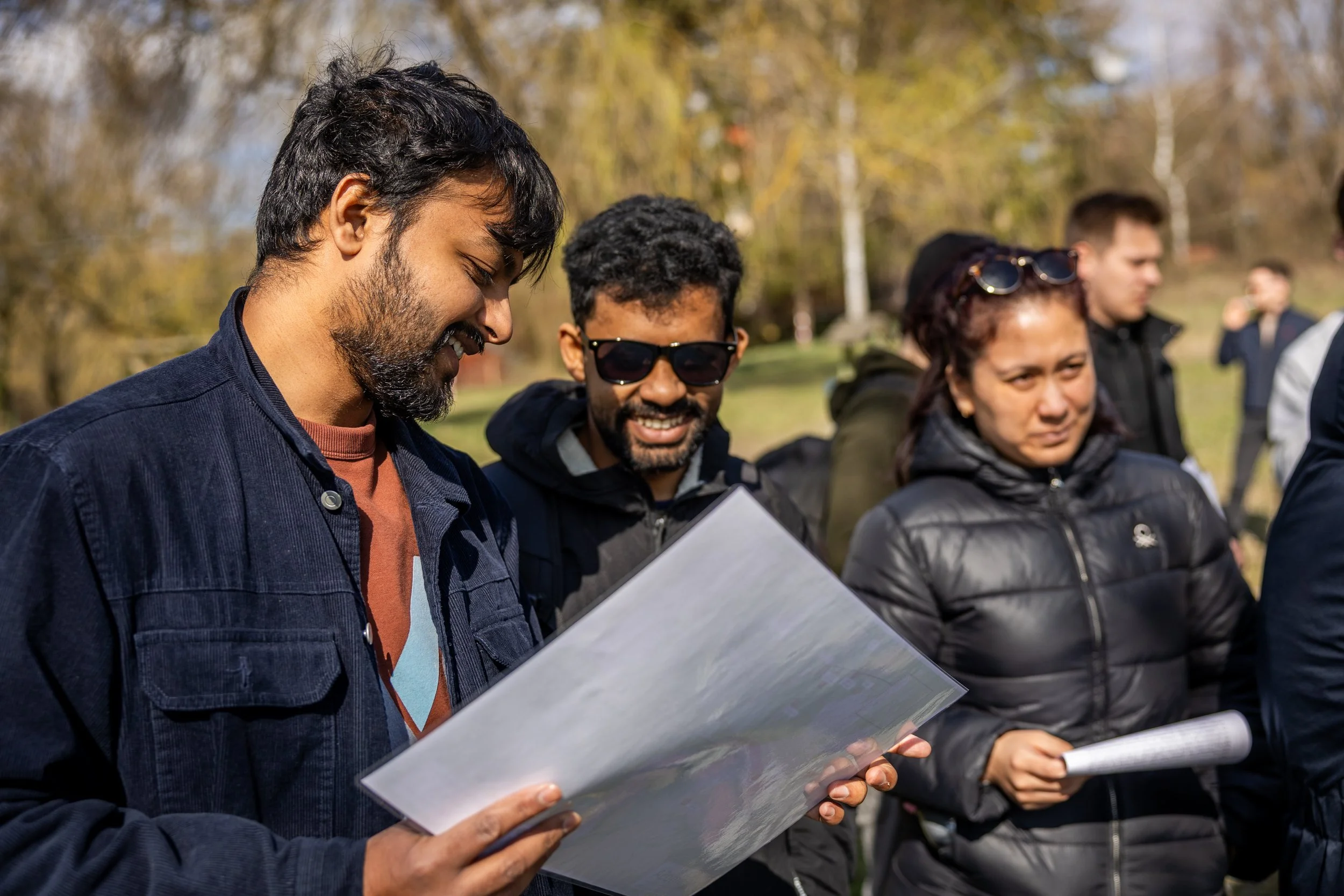
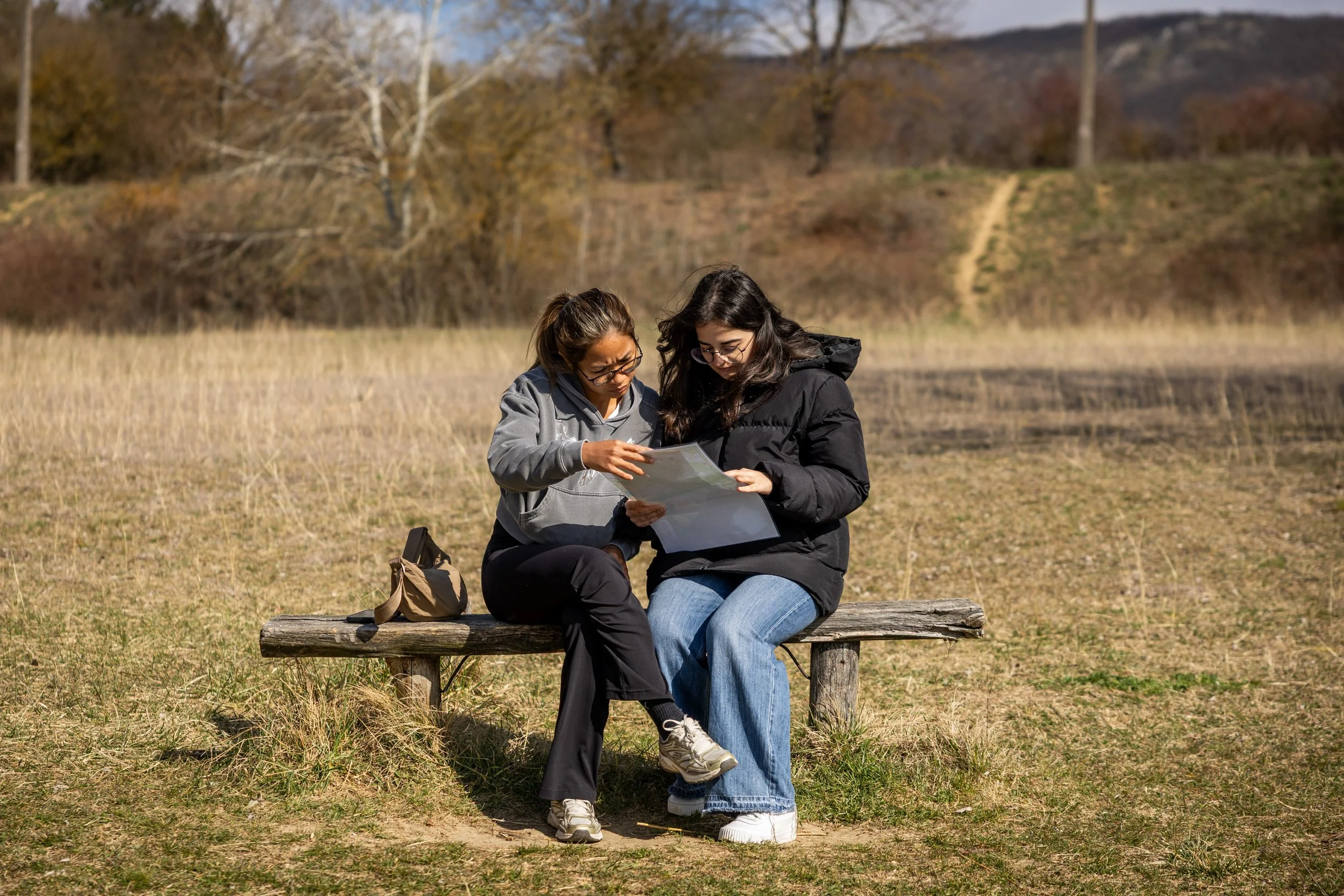
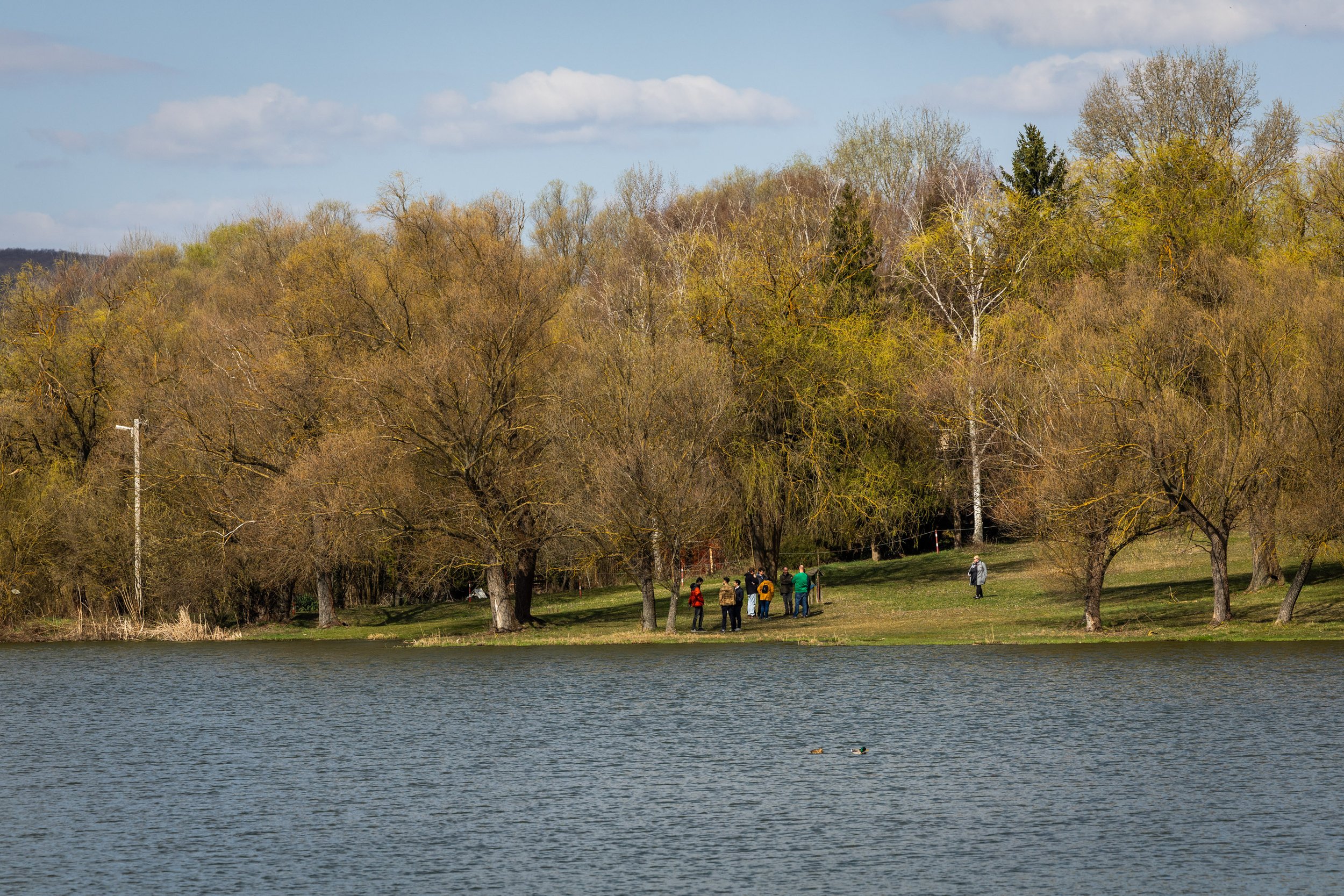
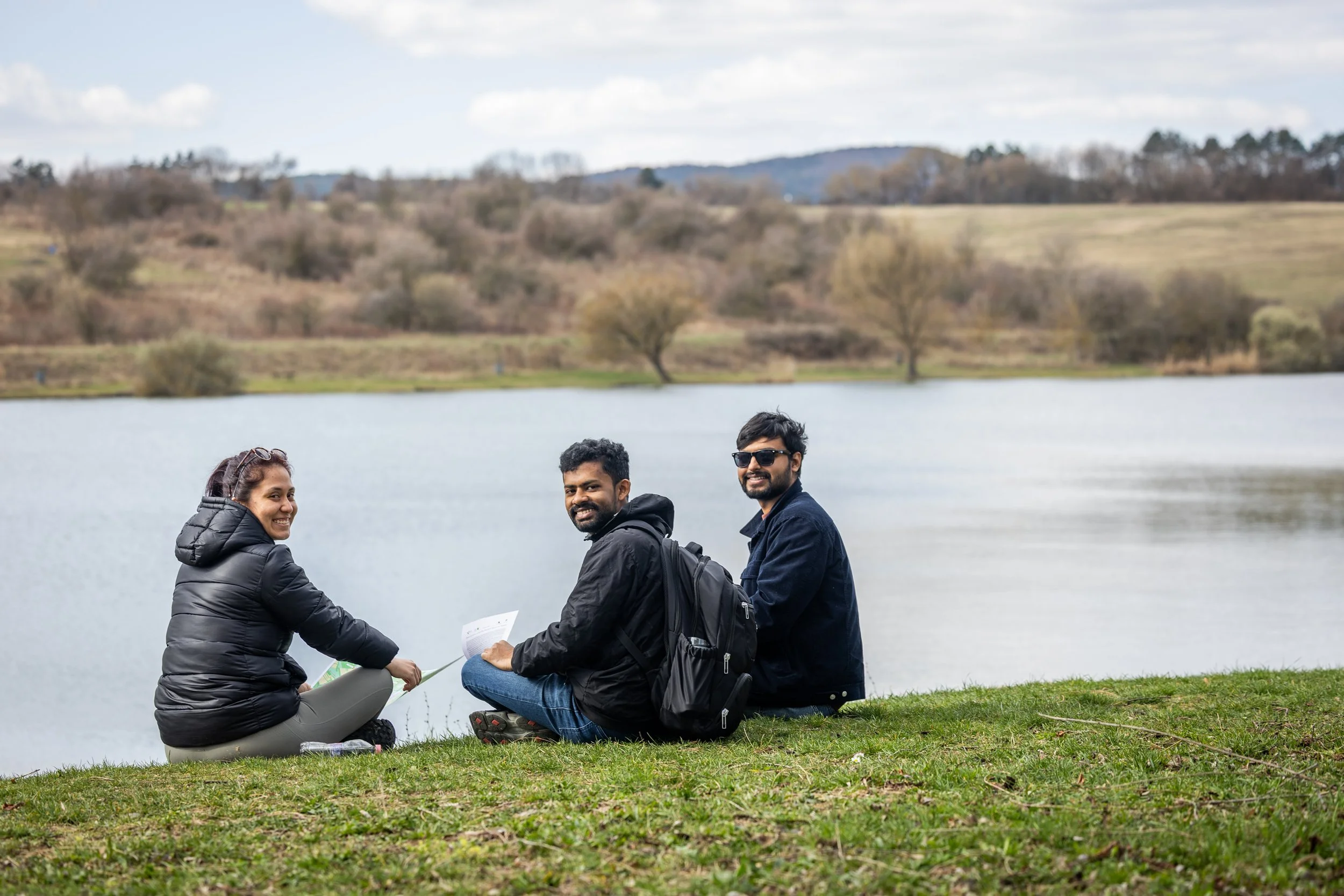
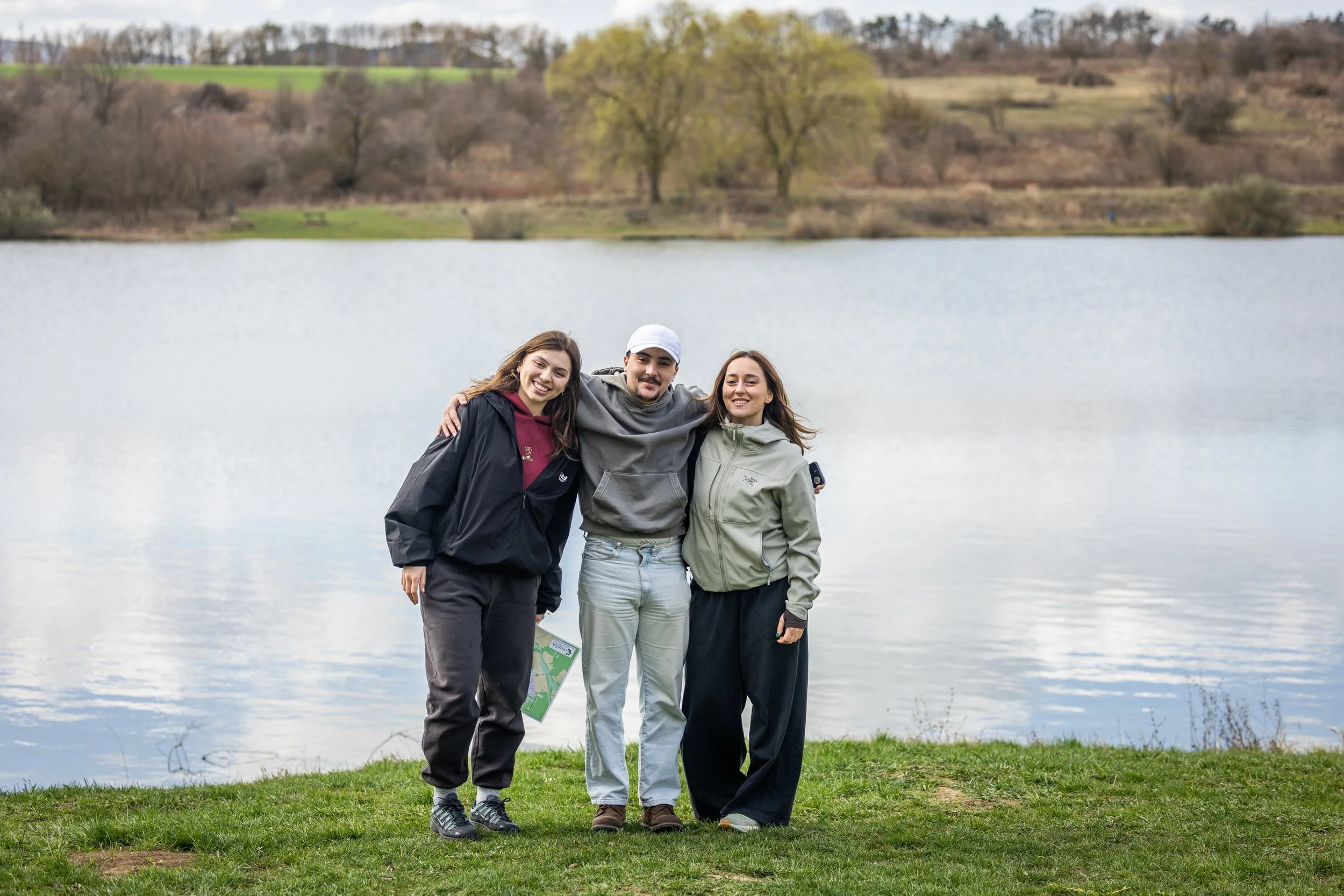
🏞️ In the finals, the teams continued their work on-site in Pilisszántó, where they were welcomed by Dr. Pál Kézdy, professional lead of the Pilis Biosphere Reserve, and Éva Csicsmanczai, Mayor of Pilisszántó – with further information available on the town’s official website. During the site visit, participants witnessed real-life examples of runoff, erosion, and soil drying in the karst landscape. 🍽️ The day was made even more memorable by the warm hospitality of Stube Restaurant, a popular local venue.
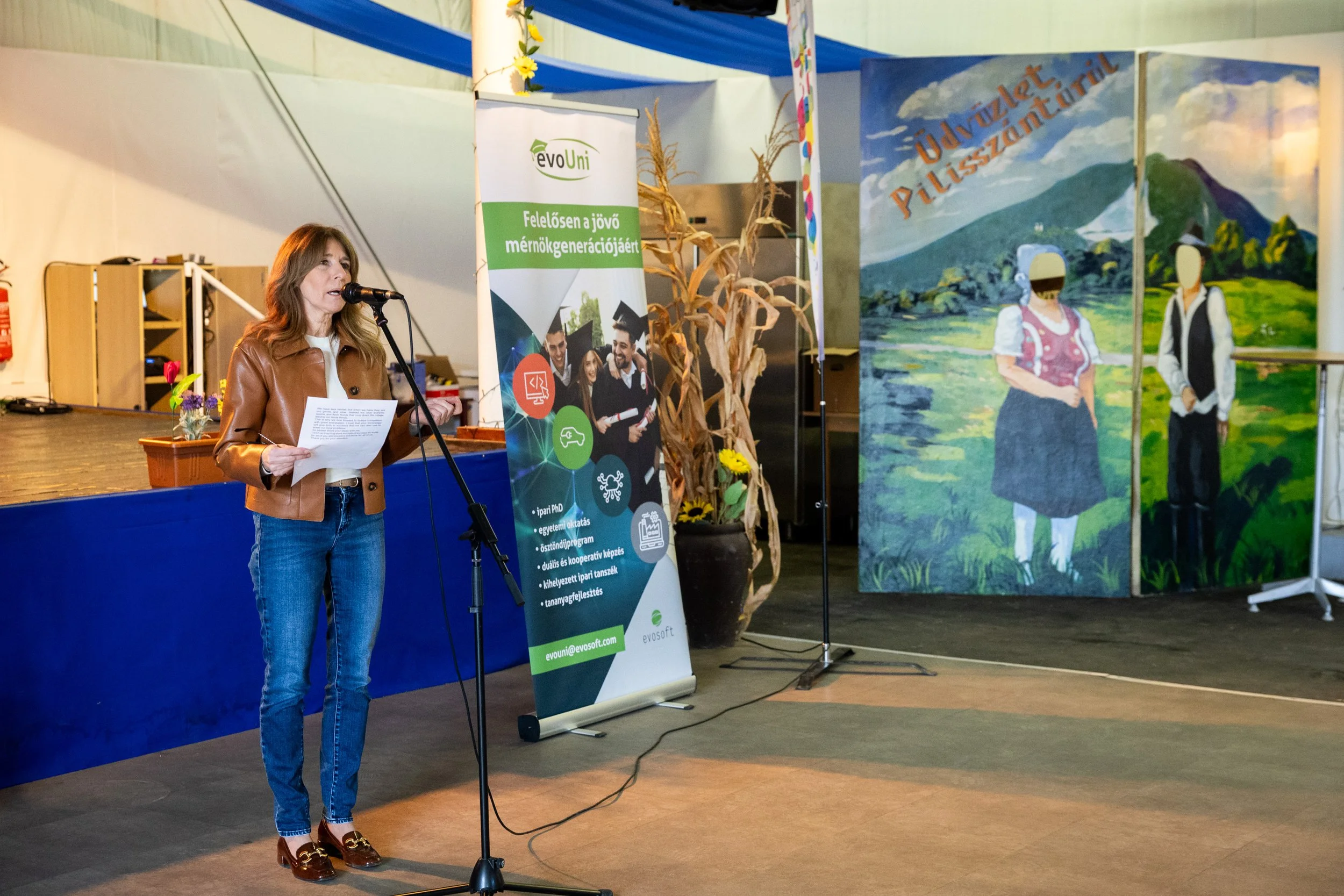
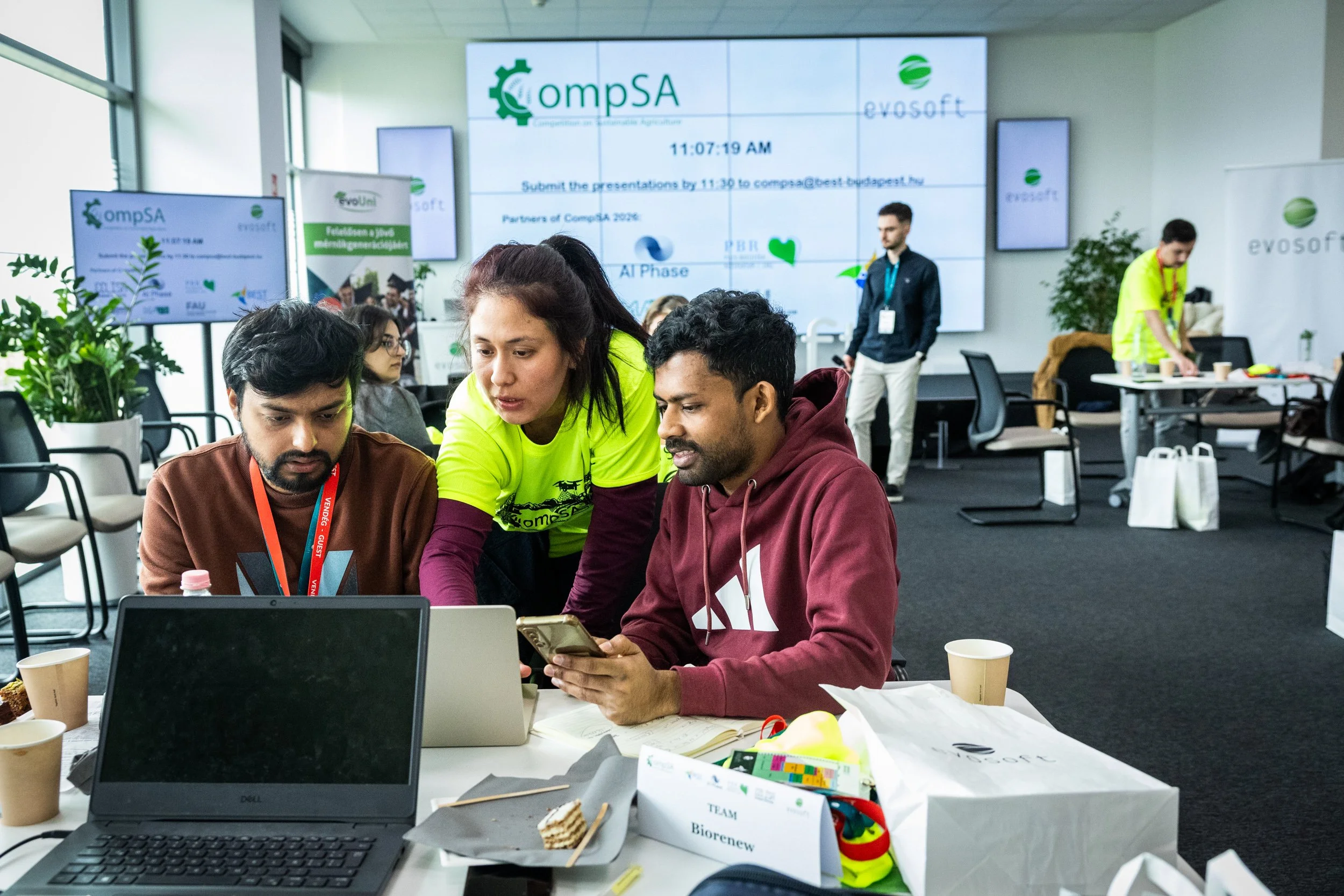
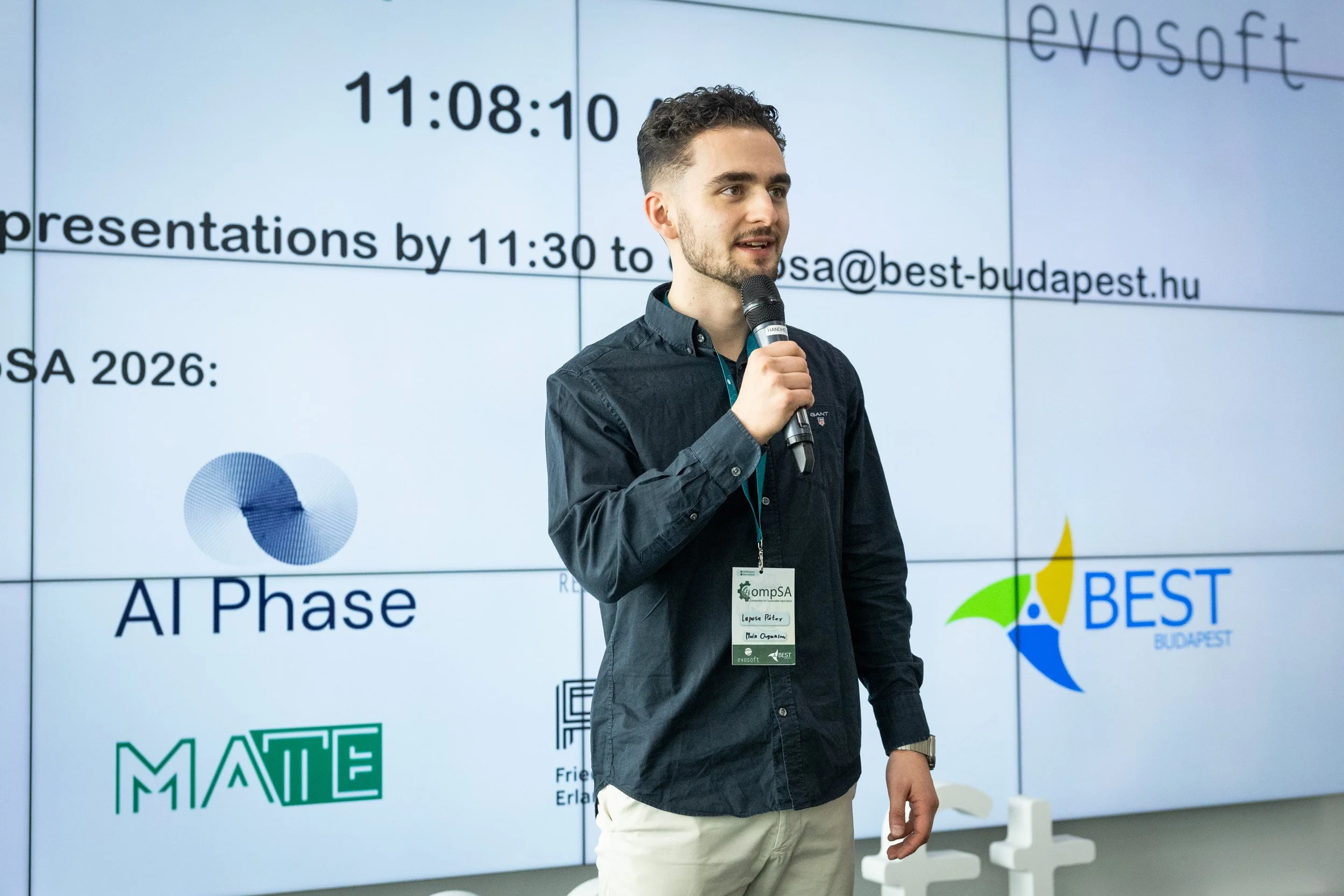
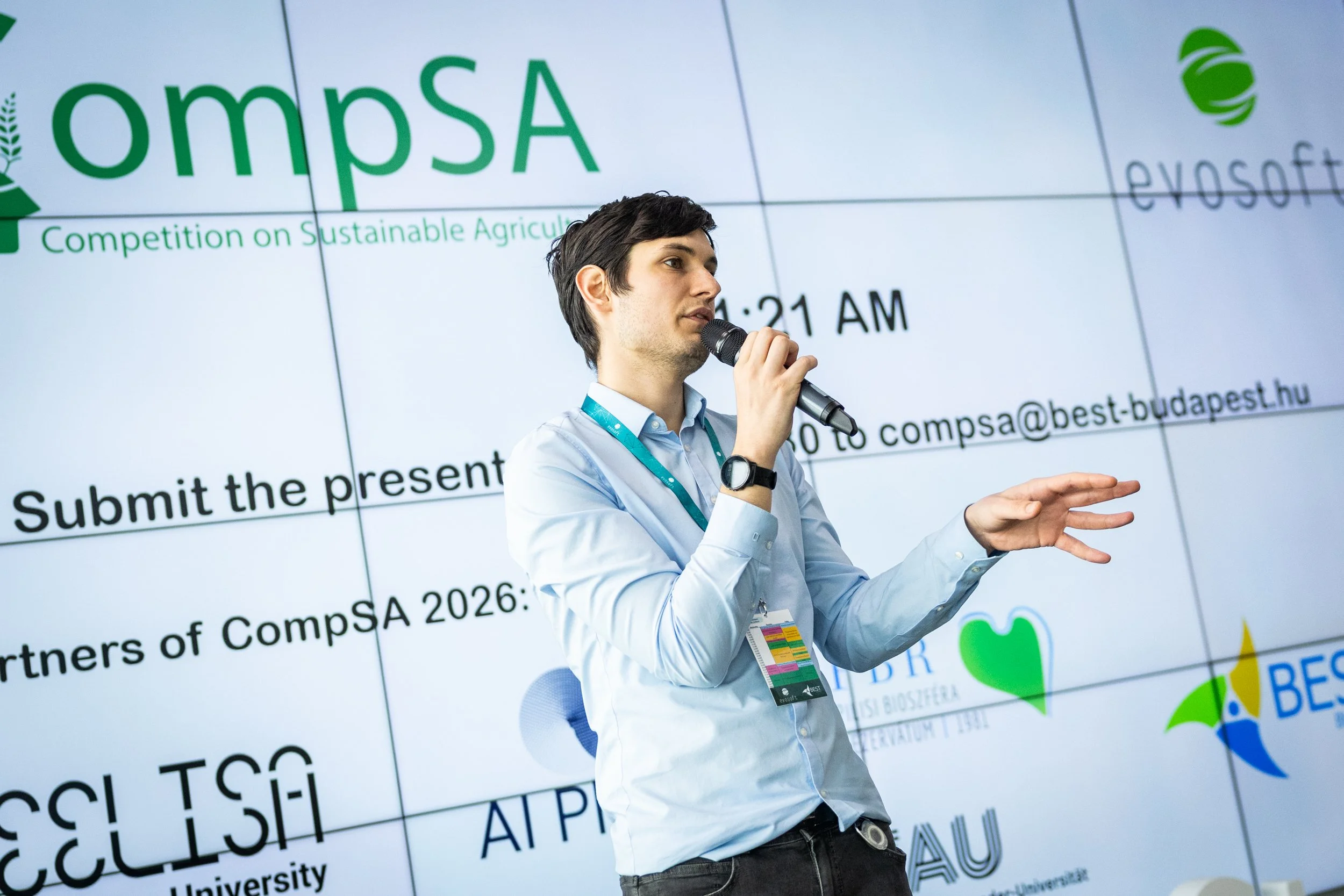
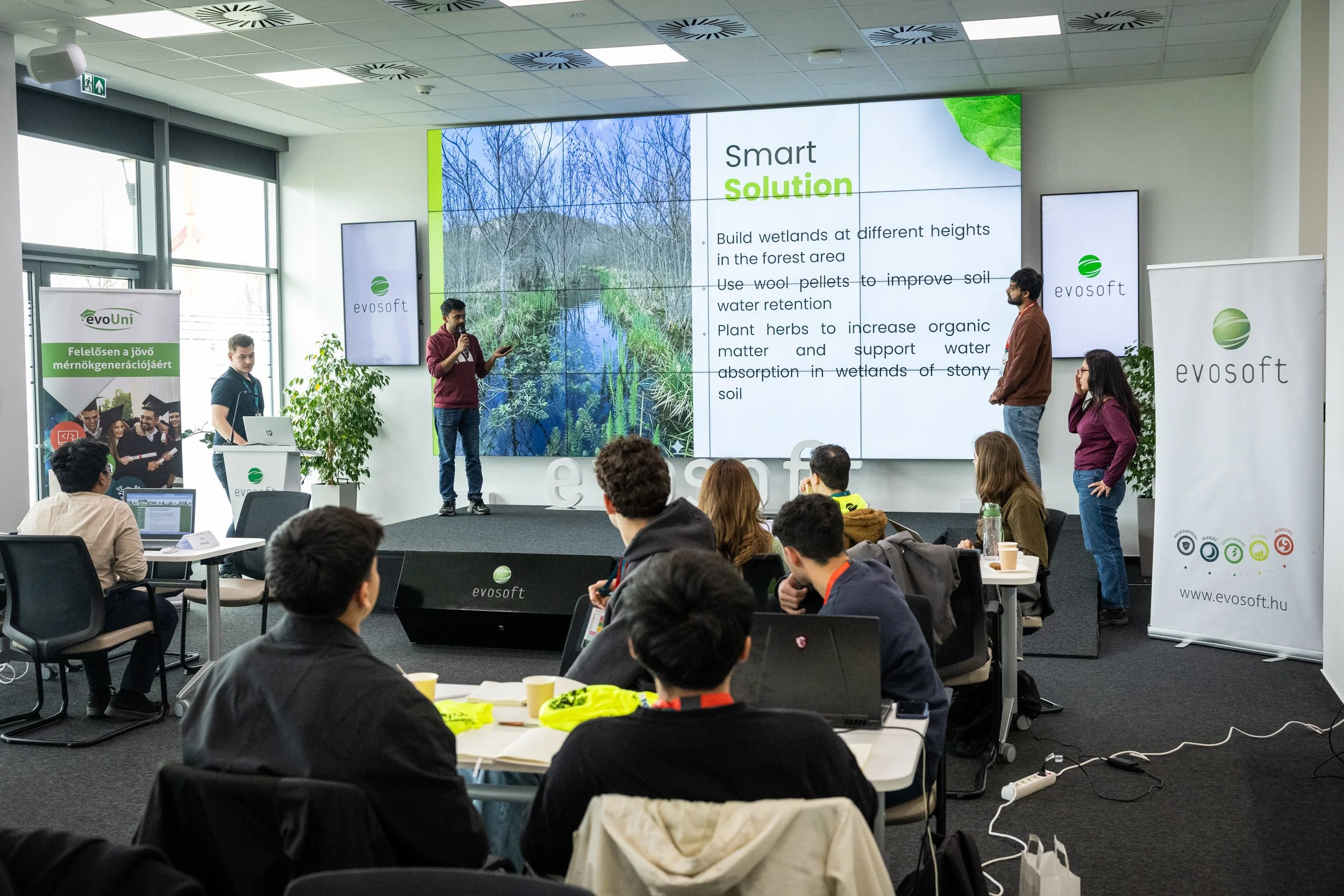
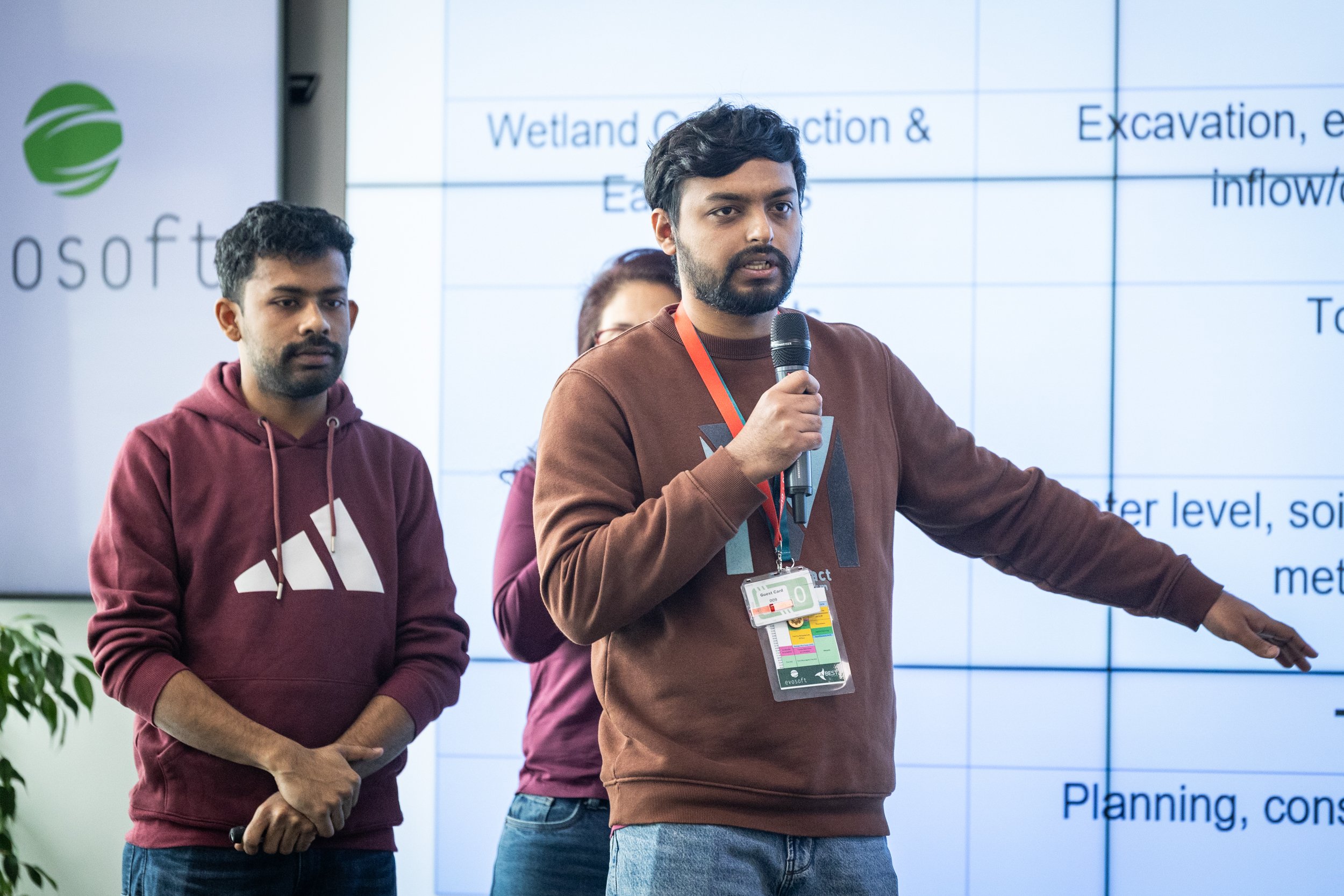
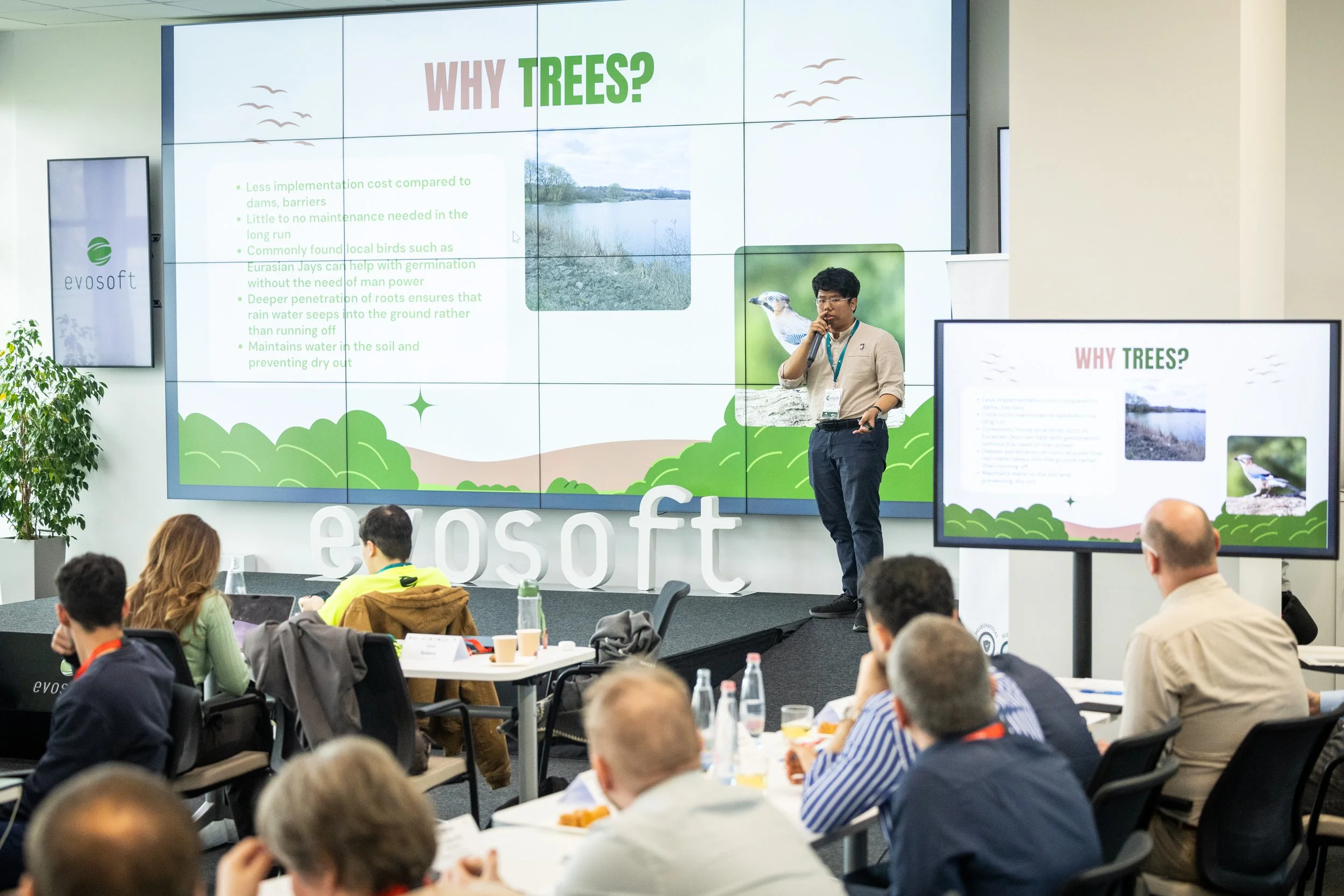
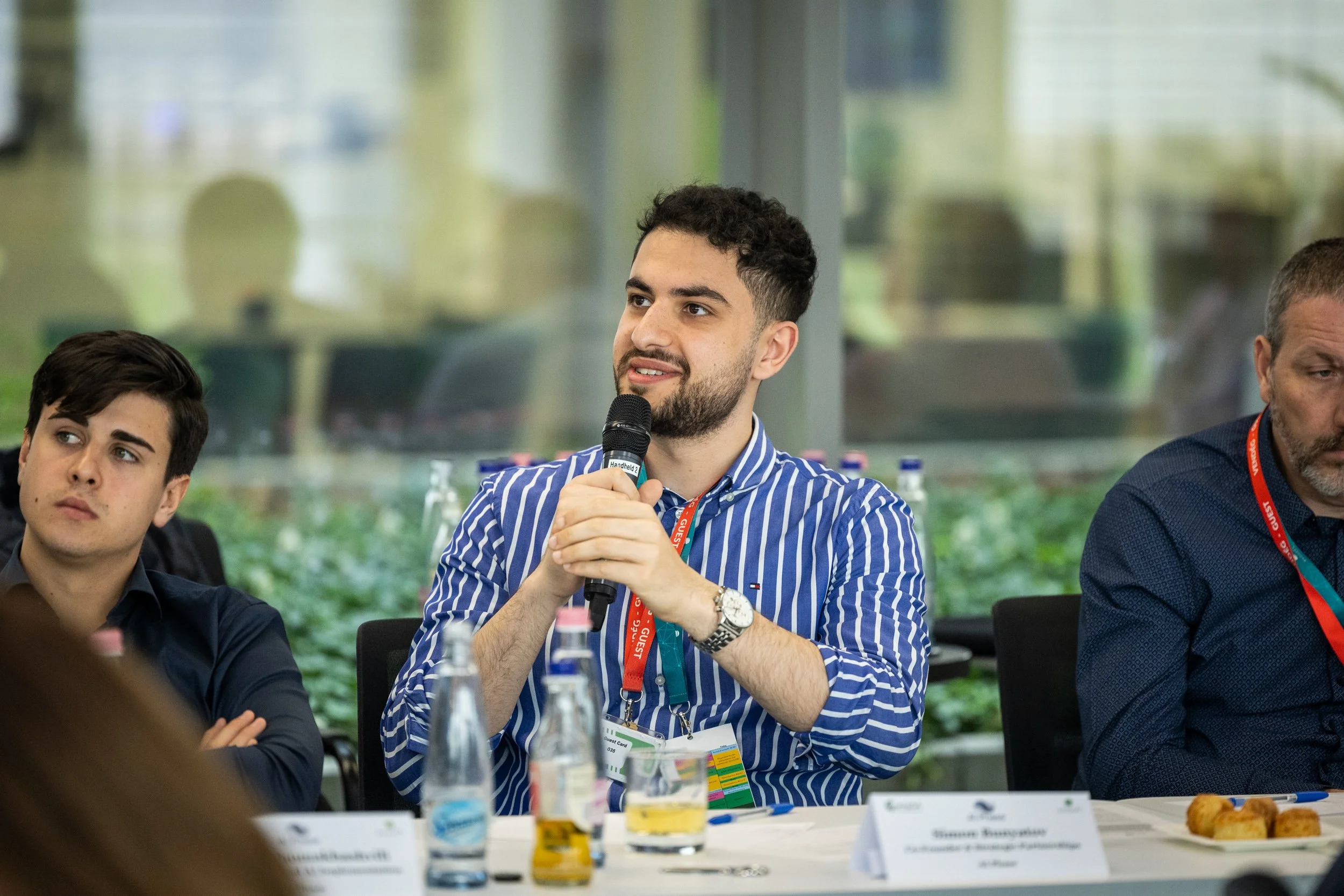
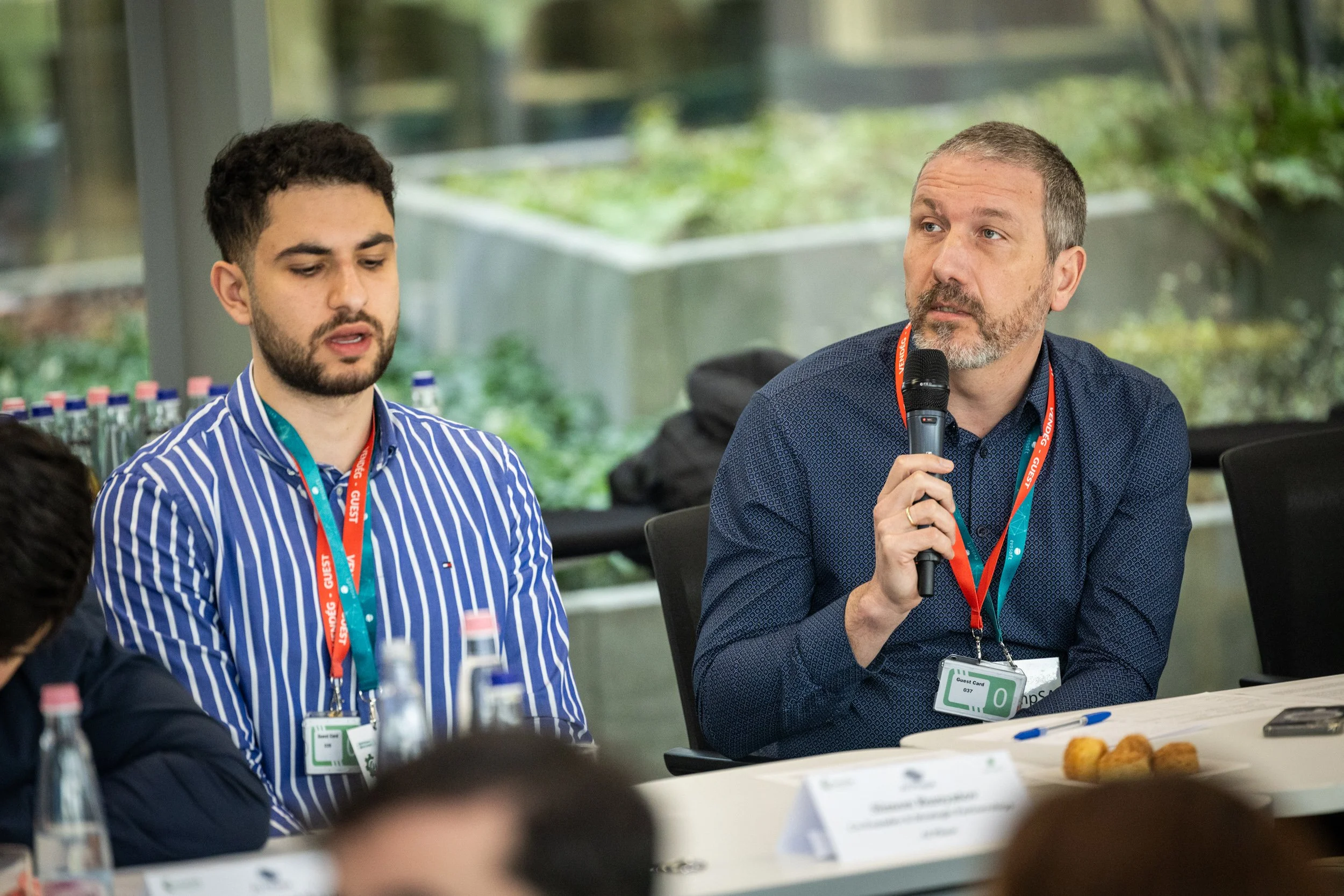
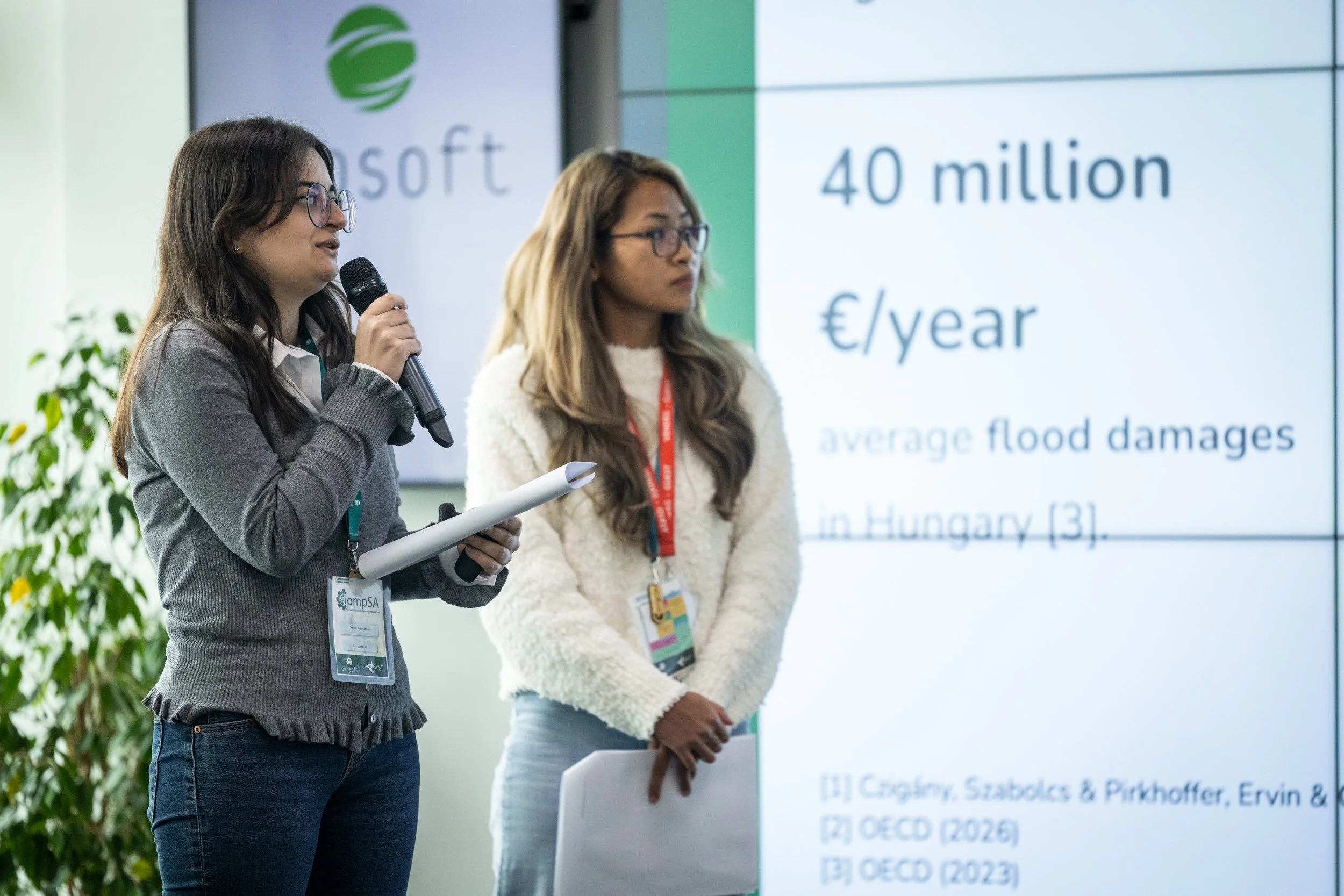
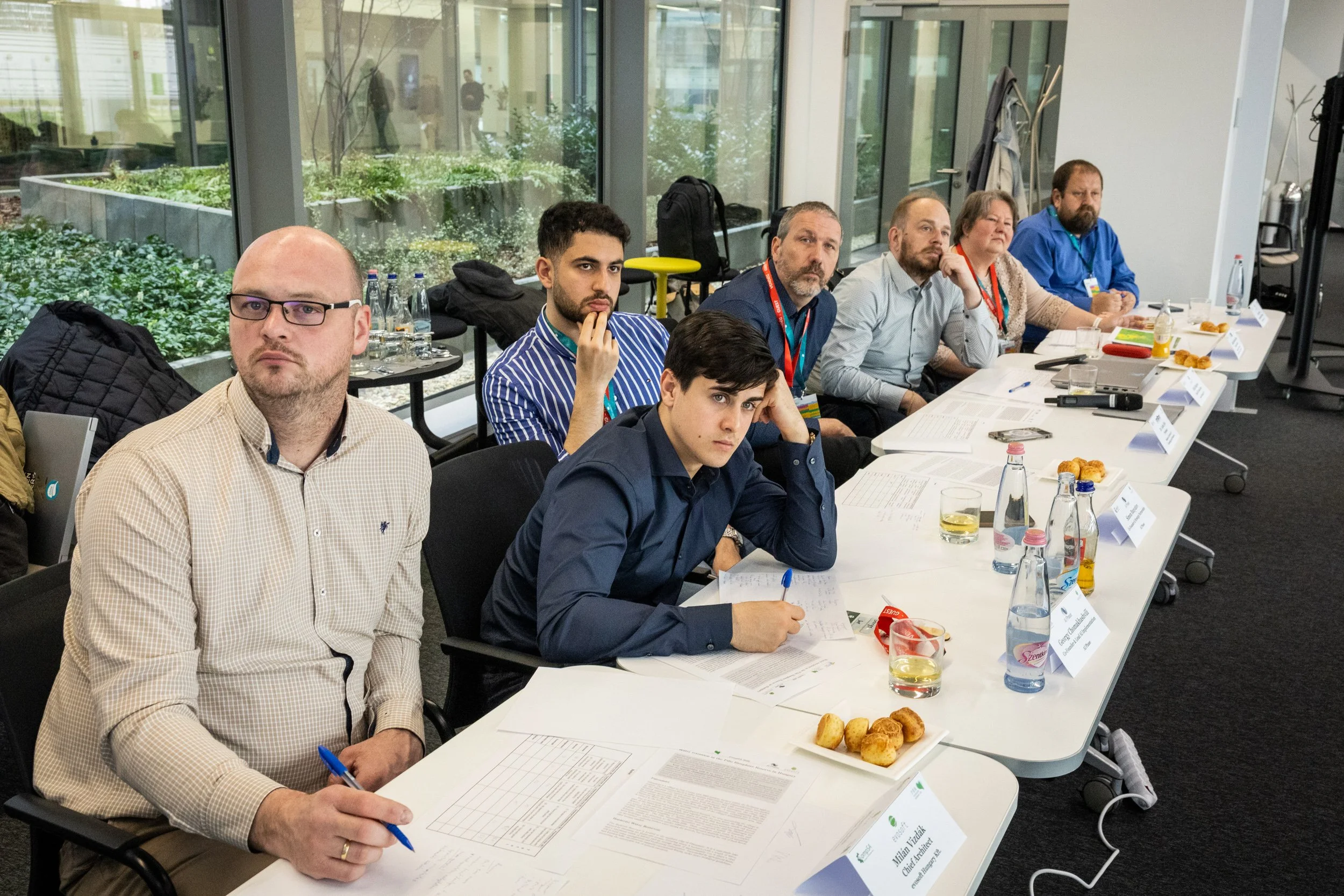
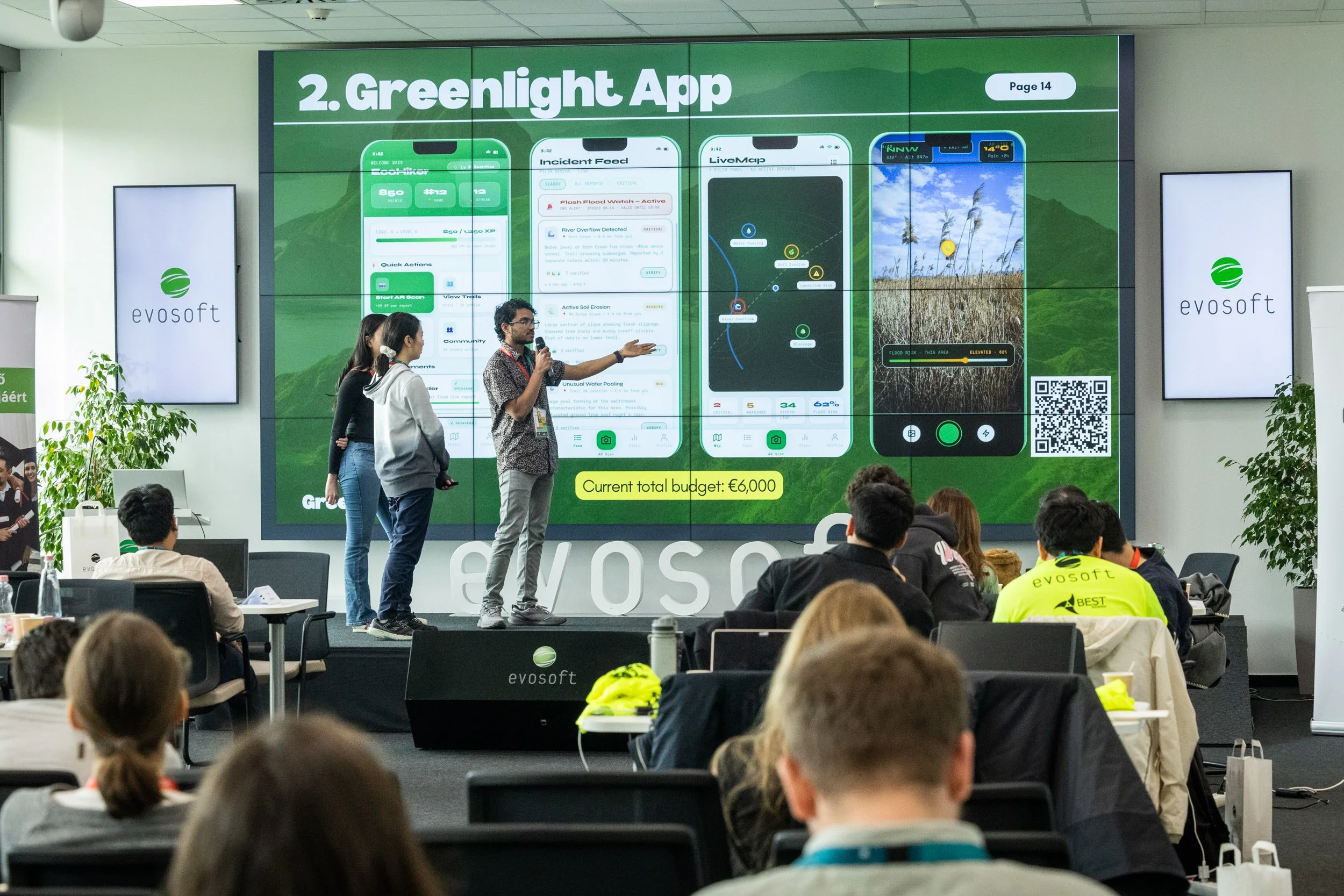
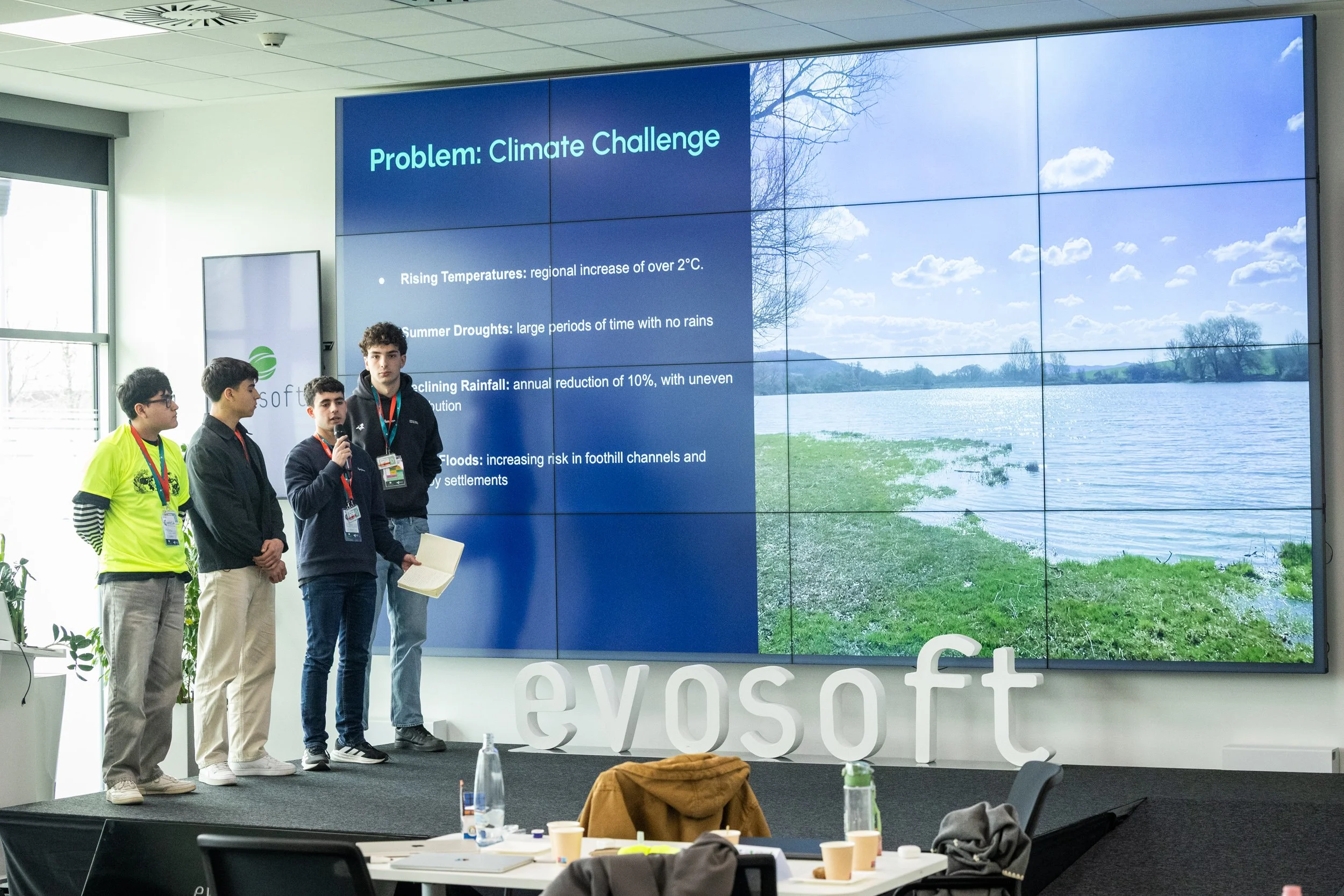
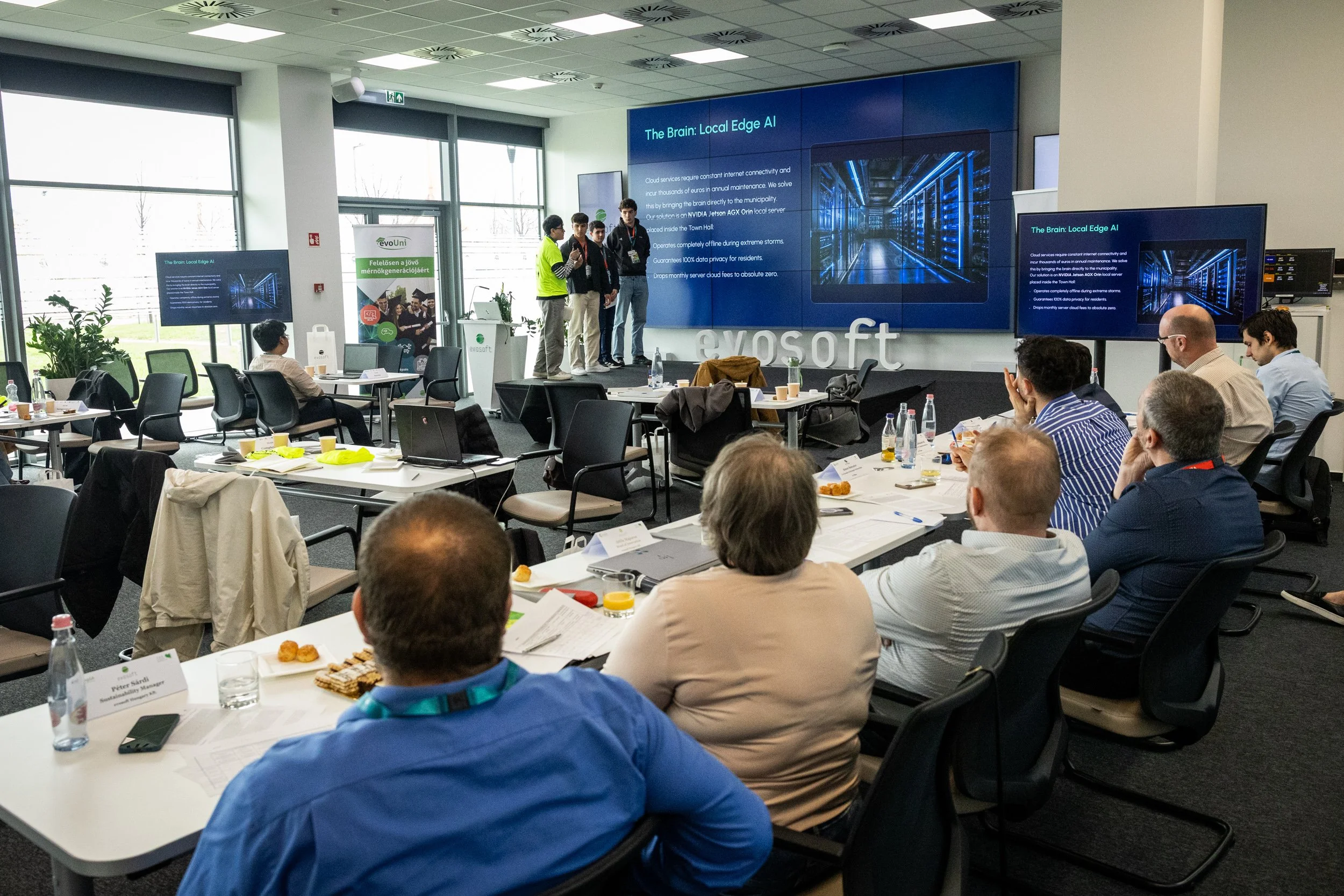
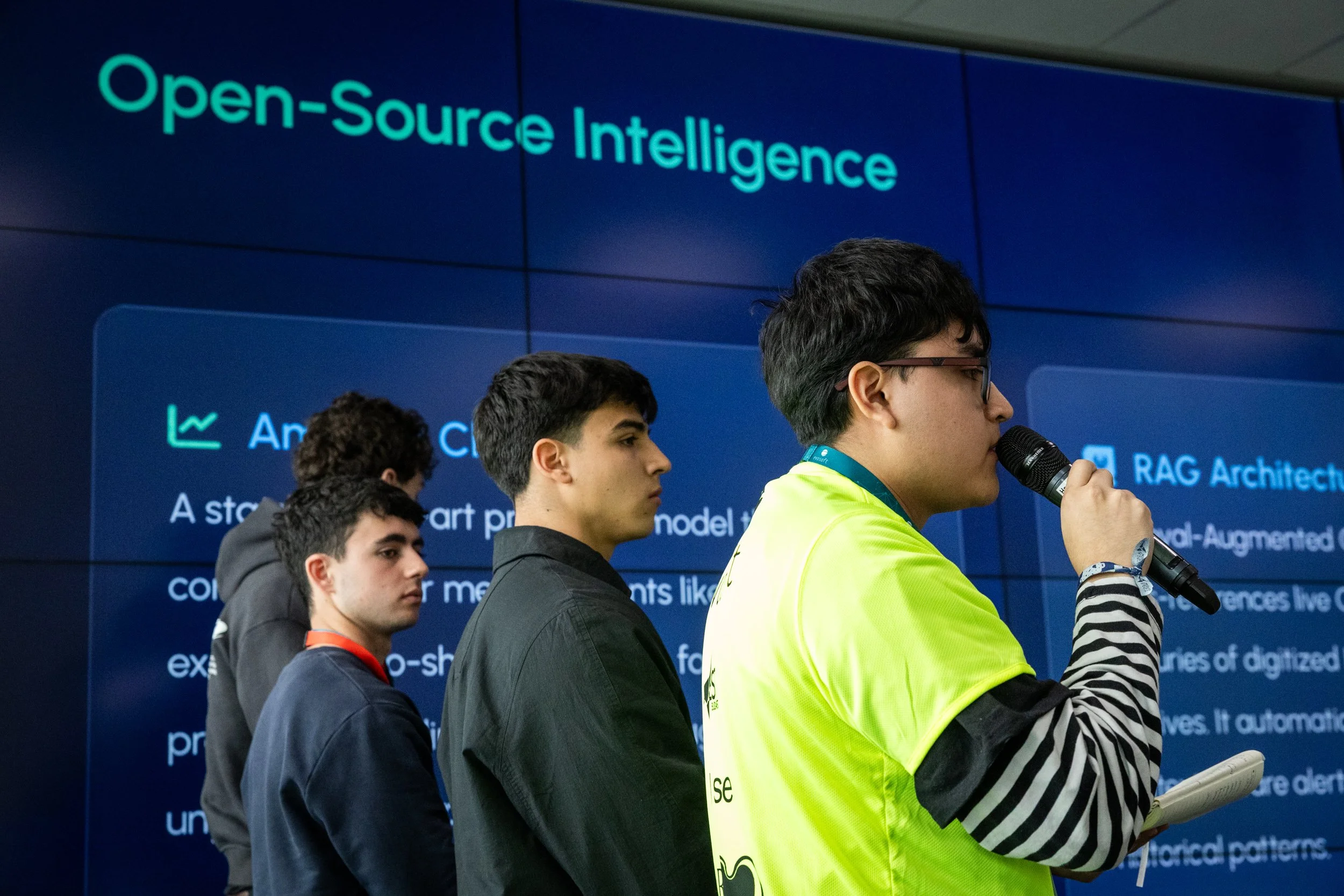
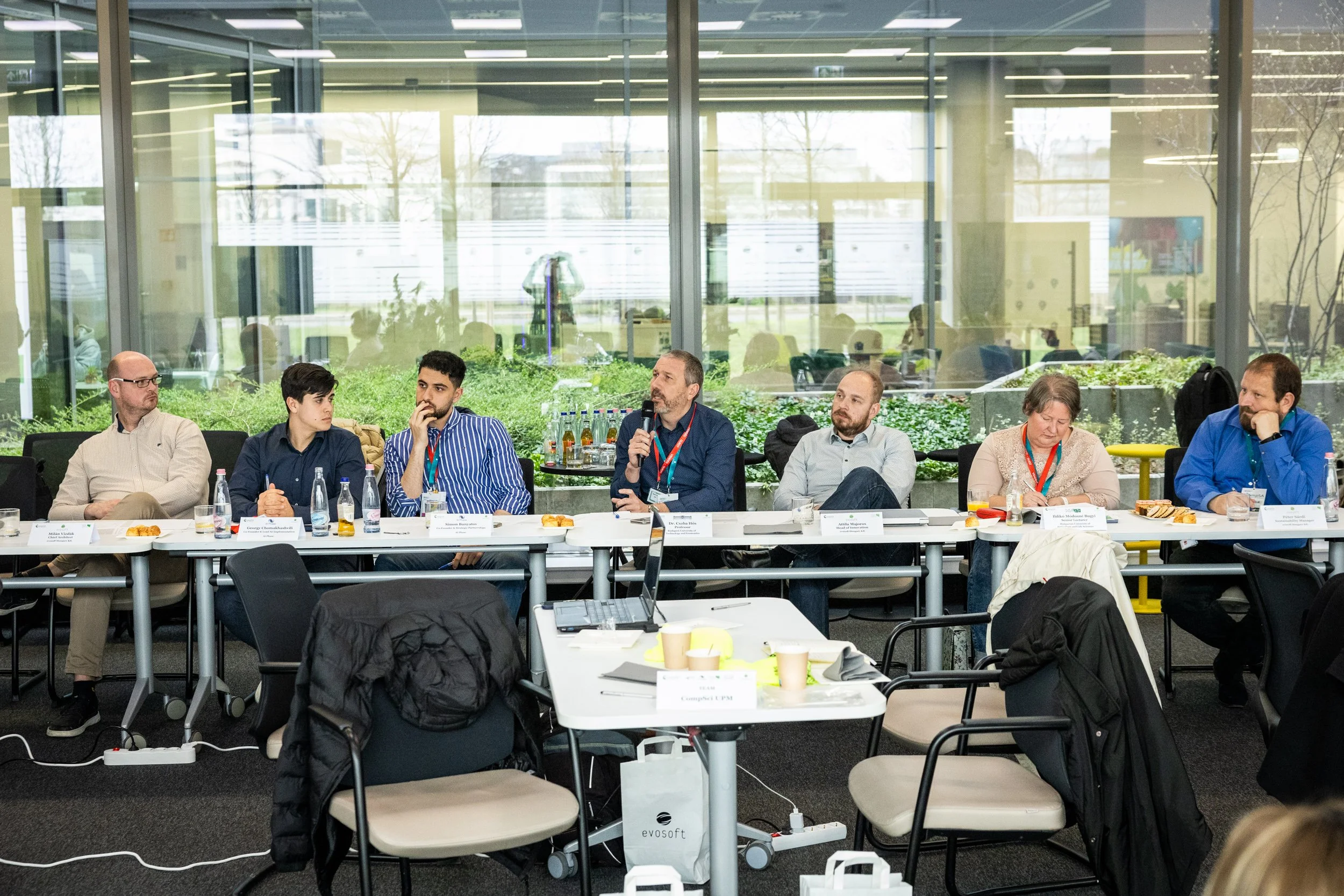
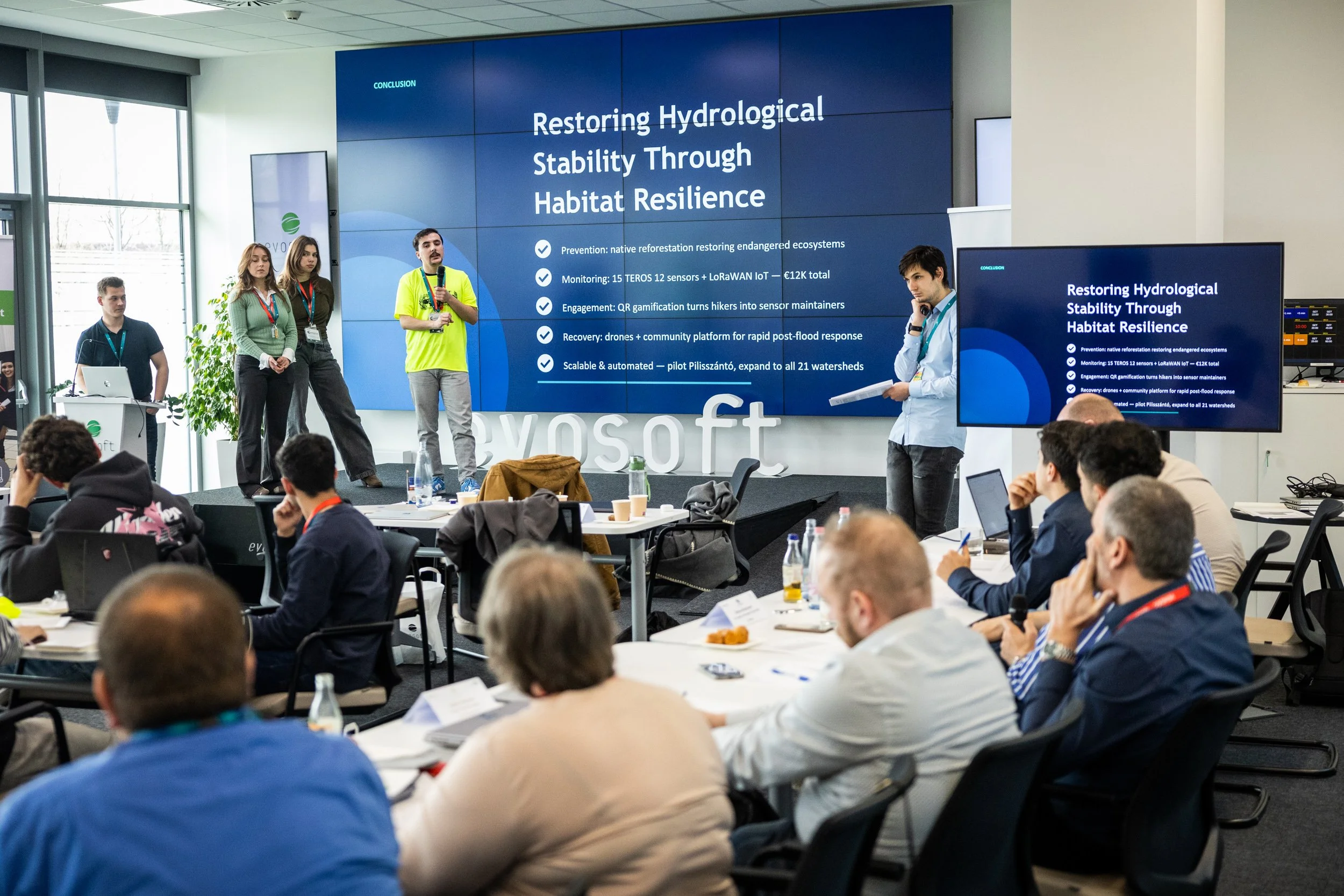
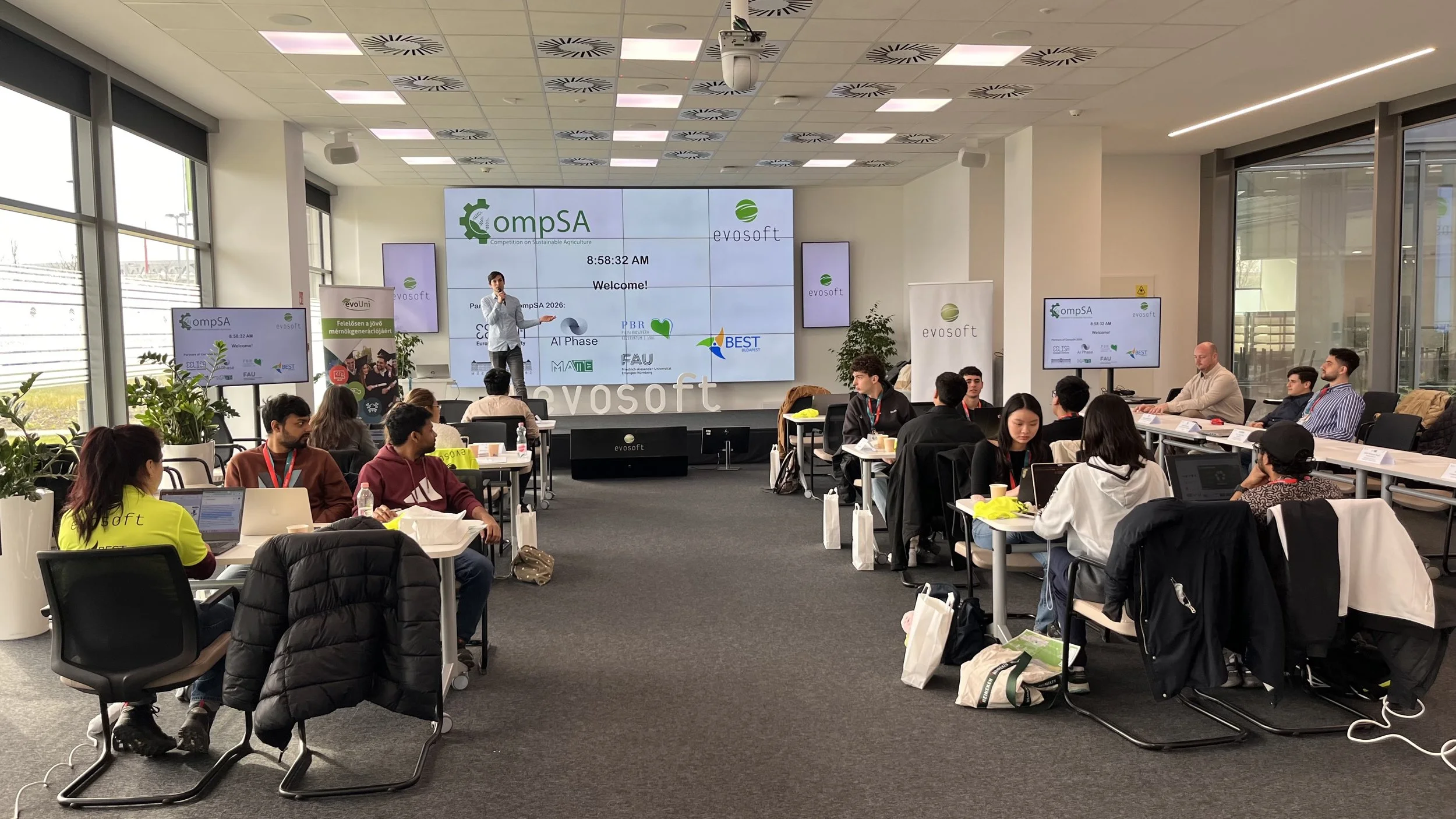
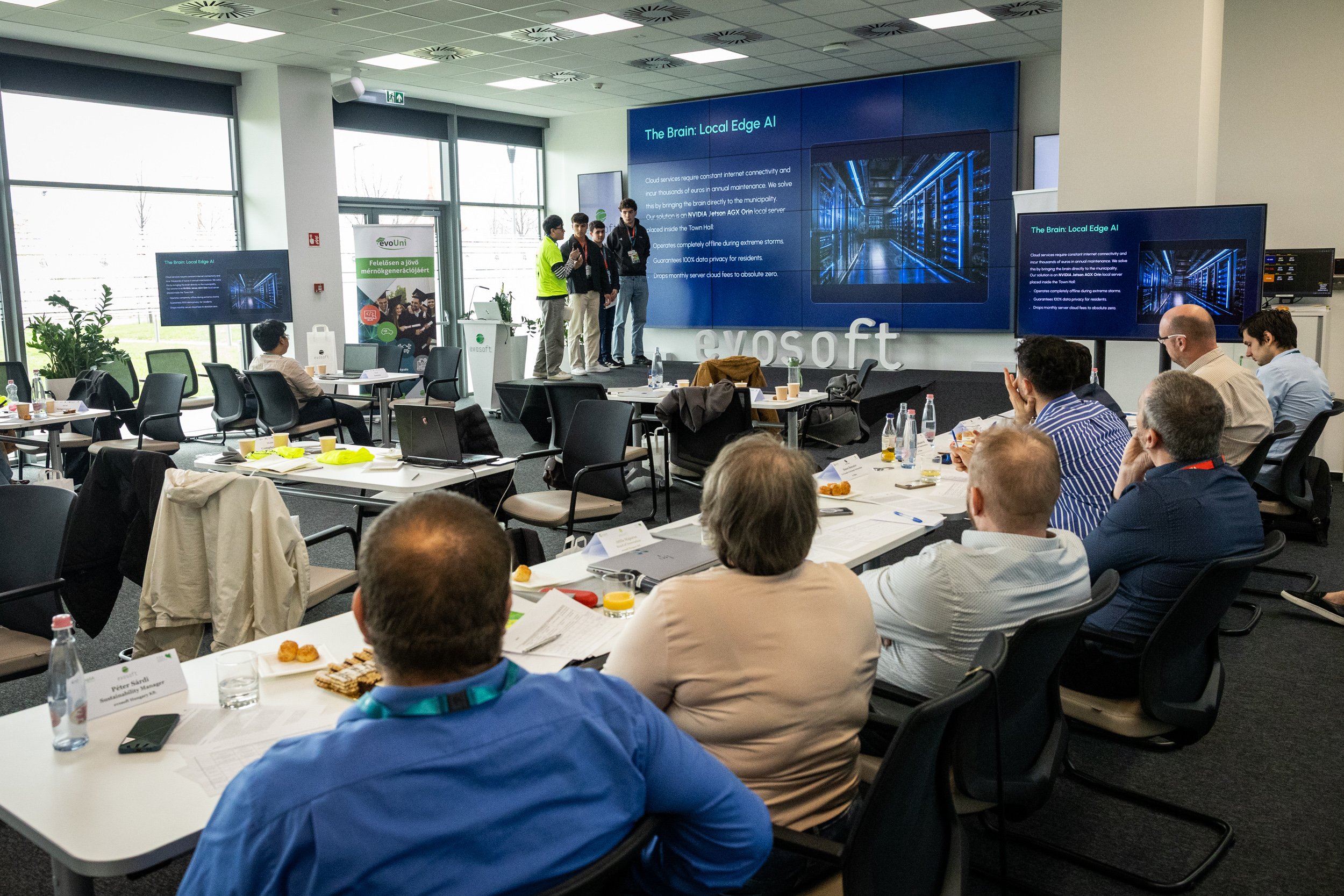
The second day – the Grand Finale – took place at evosoft’s Budapest headquarters, where finalists presented their solutions. The jury, consisting of the same industry and academic experts who assessed the online round, provided detailed engineering feedback and highlighted the proposals with long‑term sustainability and real implementation potential.
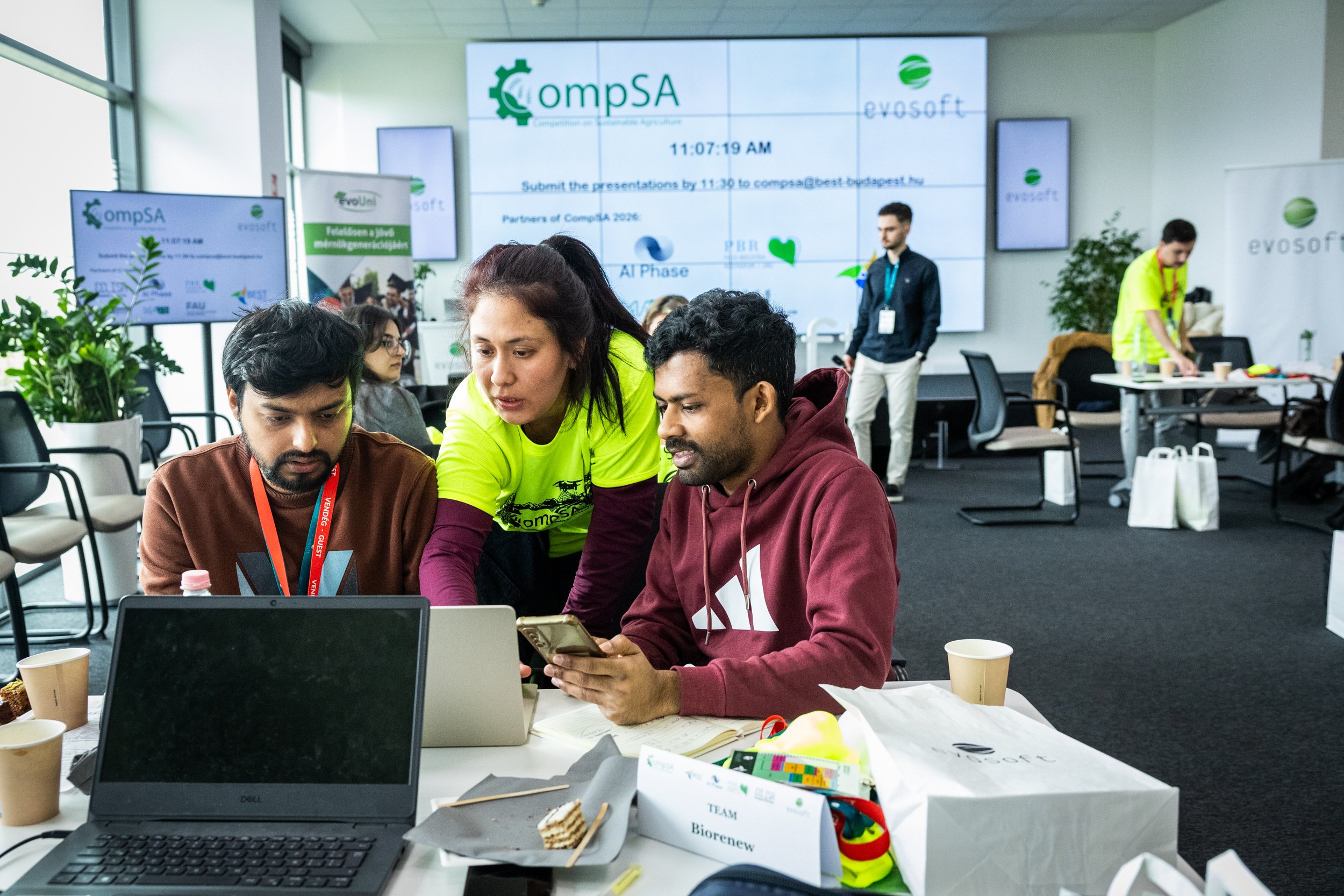

🏆🎉 The winning team, Samgyeopsal, developed a nature‑based water retention system that tackles Pilisszántó’s two most pressing issues: flash floods after heavy rainfall and water scarcity during long dry periods. Their solution uses vegetated contour swales to slow and spread runoff, supported by a settling tank for reuse, creating a low‑maintenance system that integrates seamlessly with the village’s steep karst landscape and significantly improves soil moisture retention.
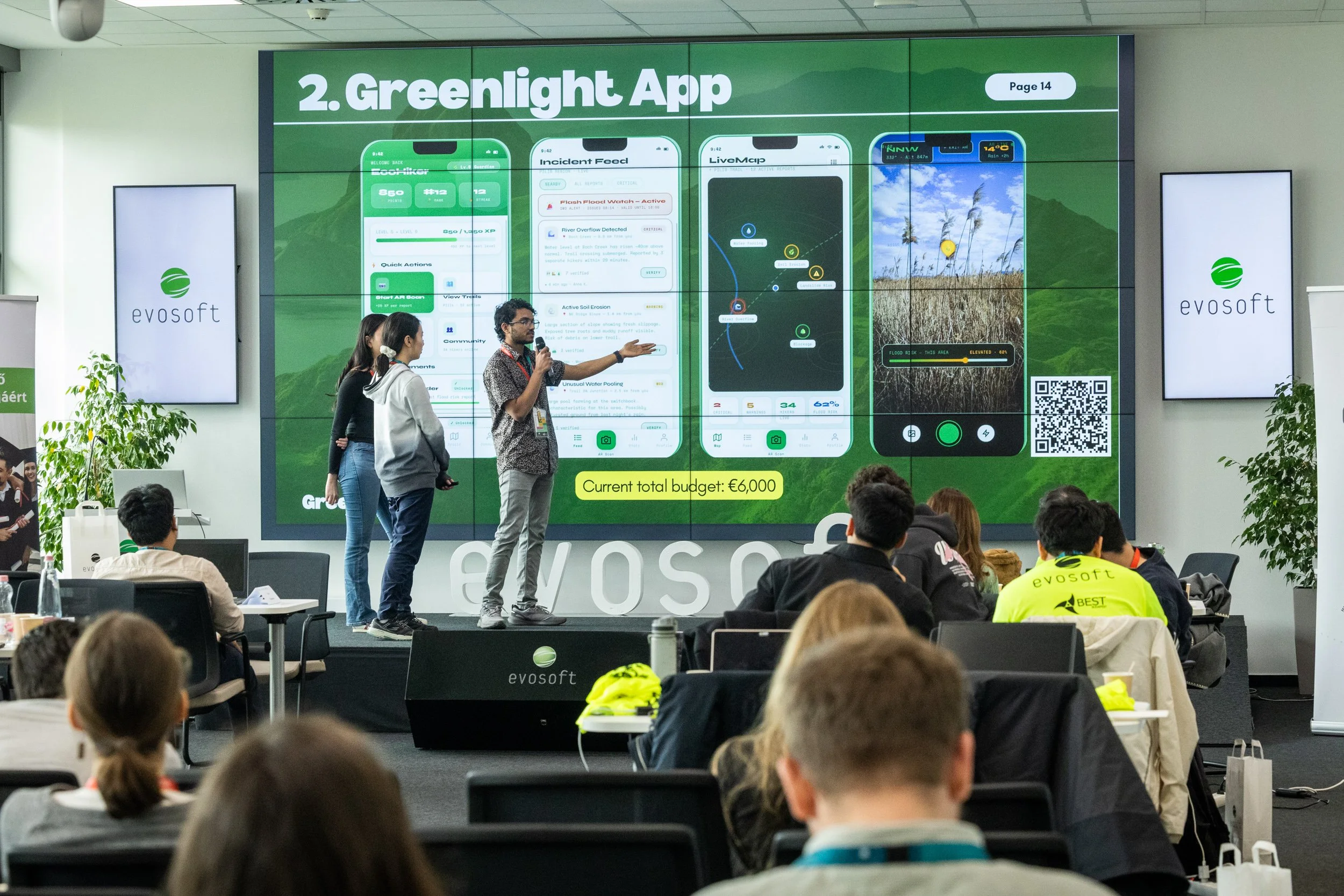
The second‑place Greenlight team proposed a community‑driven, nature‑inclusive water management plan that combines vegetative buffer zones, restored ponds, and regular volunteer‑led drainage‑ditch clean‑ups. Their approach is enhanced by a gamified mobile app that encourages visitors to collect environmental data, which - together with sensor and satellite inputs - supports risk prediction and long‑term climate resilience for Pilisszántó.
🤝 Special thanks to our professional partners for their collaboration and support throughout the evaluation process:
Dr. Pál Kézdy (Duna–Ipoly National Park Directorate – dunaipoly.hu)
Colleagues from Pilis Parkerdő Zrt. (parkerdo.hu) and the Pilis Biosphere Reserve (pilisibr.hu)
Éva Csicsmanczai (Municipality of Pilisszántó – pilisszanto.hu)
László Pozsonyi and Zsófia Áy (Stube Restaurant – stube.hu)
Eszter Mischl from the EELISA Network (eelisa.eu)
And to our jury members:
Ildikó Módosné Bugyi (MATE – uni-mate.hu)
Csaba Hős (BME – gpk.bme.hu)
Gabriele Chiogna (fau.eu)
Simon Bunyatov & Georgy Chomakhashvili (AI Phase – aiphase.de)
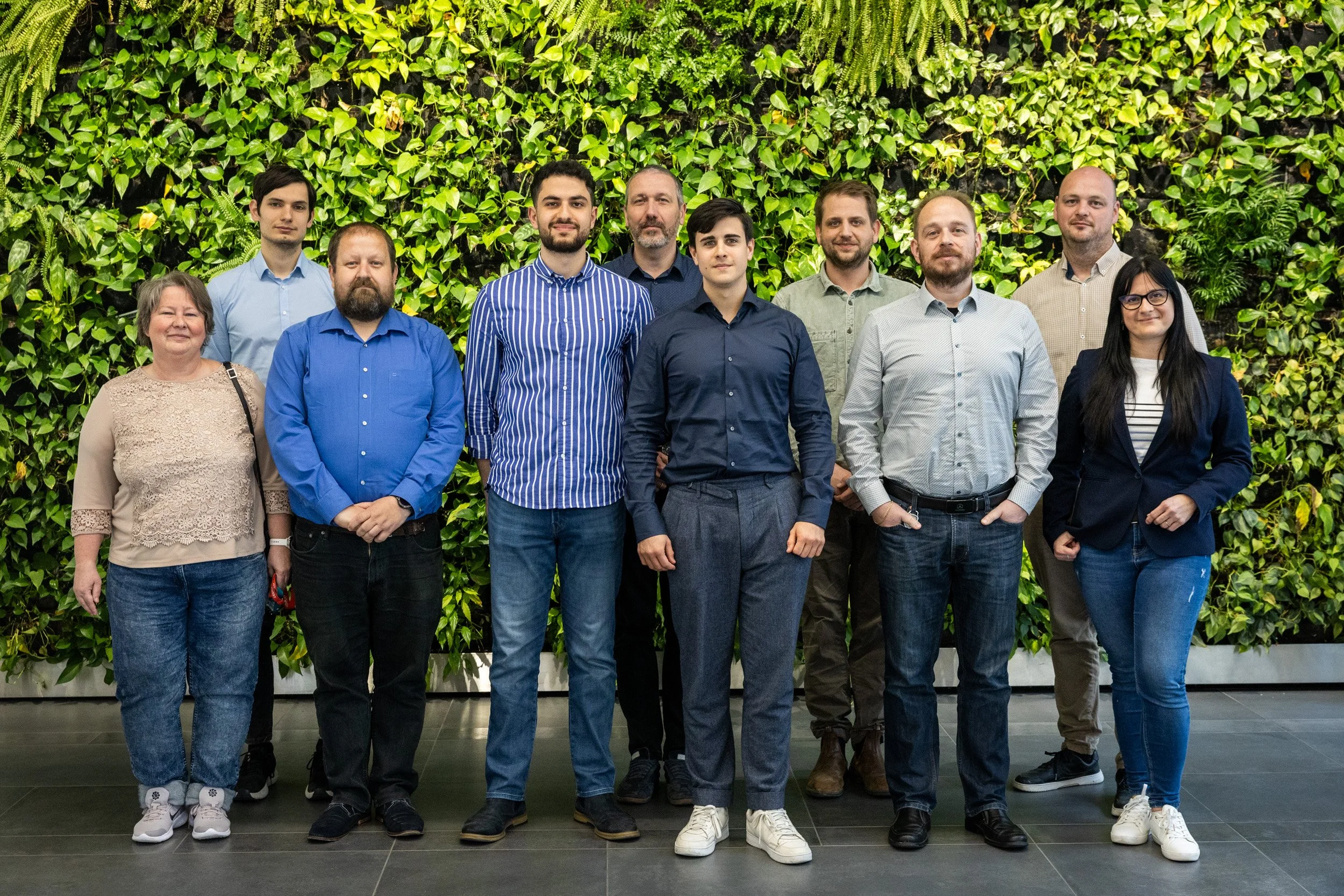
Milán Vizdák, Péter Sárdi, Attila Majoros (evosoft Hungary – evosoft.hu)
✨ COMPSA 2026 once again proved that when international students, industry partners, and researchers collaborate on a real sustainability challenge, the results can have genuine, practical impact.
See you next year – with a new location, a new challenge and new teams. 🌍💧🌱
Discover more about out university relations blog articles here. Follow us, keep in contact!