Where research meets agentic AI, new possibilities open up for industrial software development.
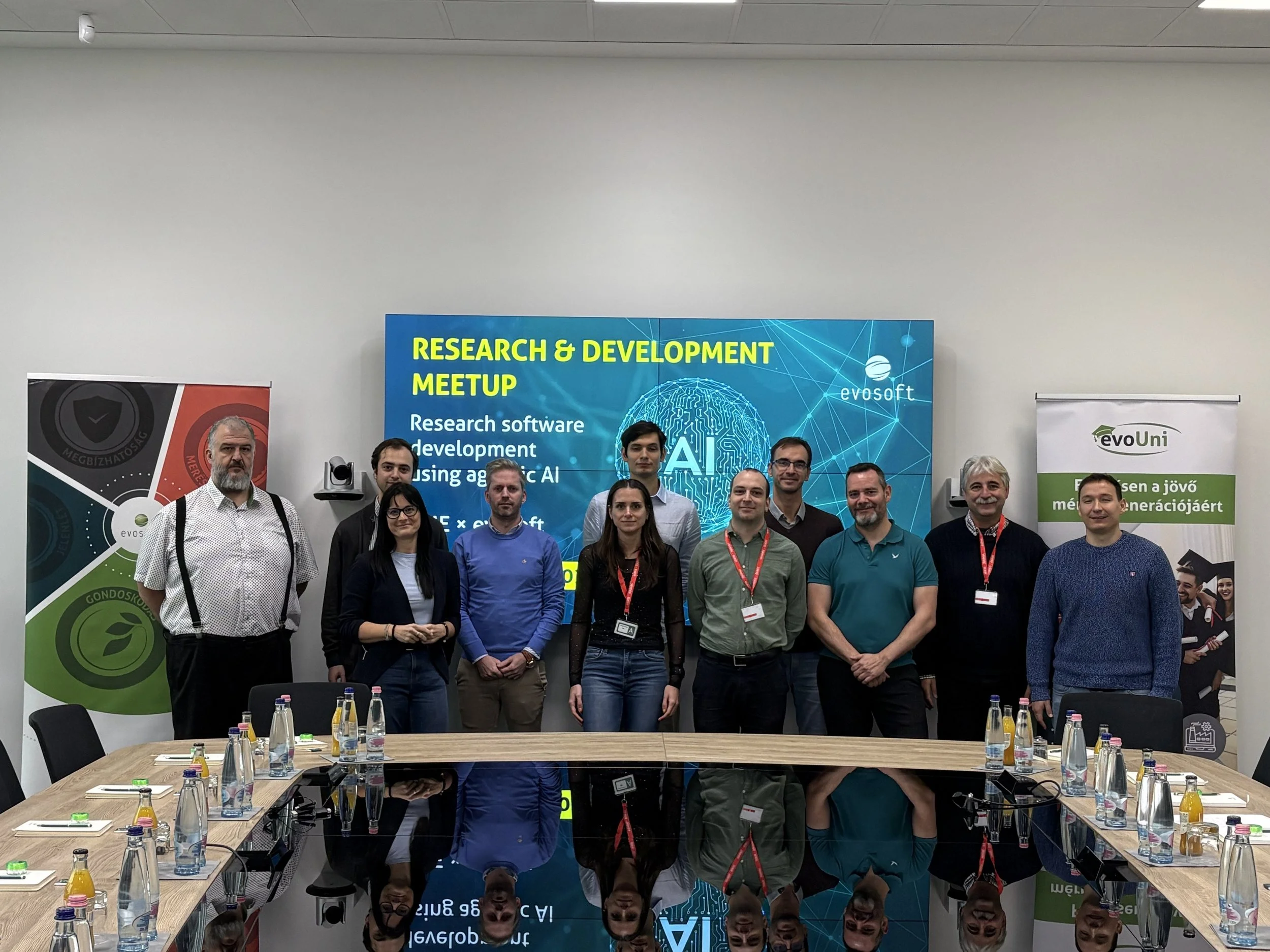
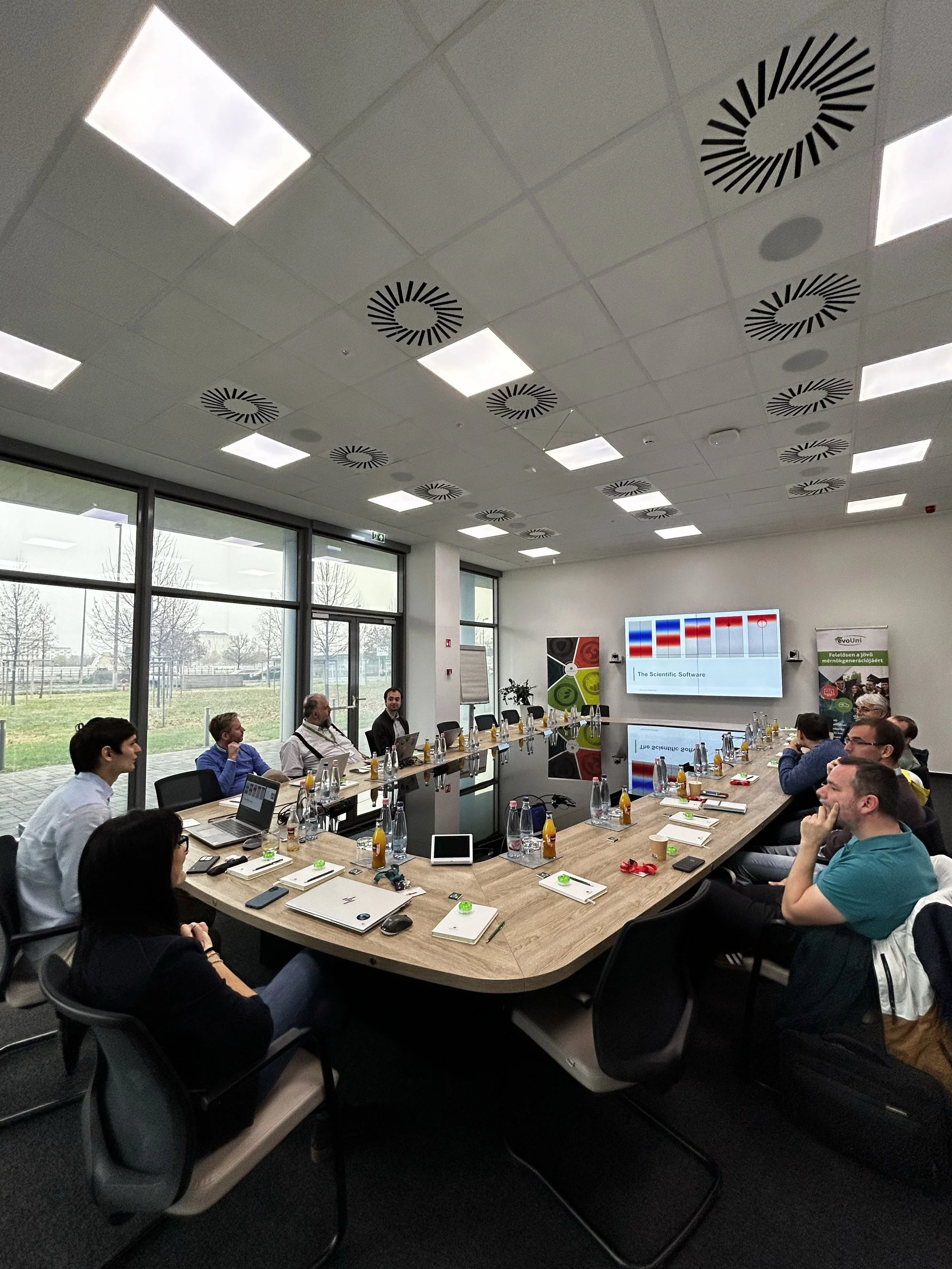
Researchers and software developers sat down together at last week's R&D workshop: BME researchers and our colleagues from evosoft discussed how working research solutions can be turned into software that's easy to further develop at an industrial level.
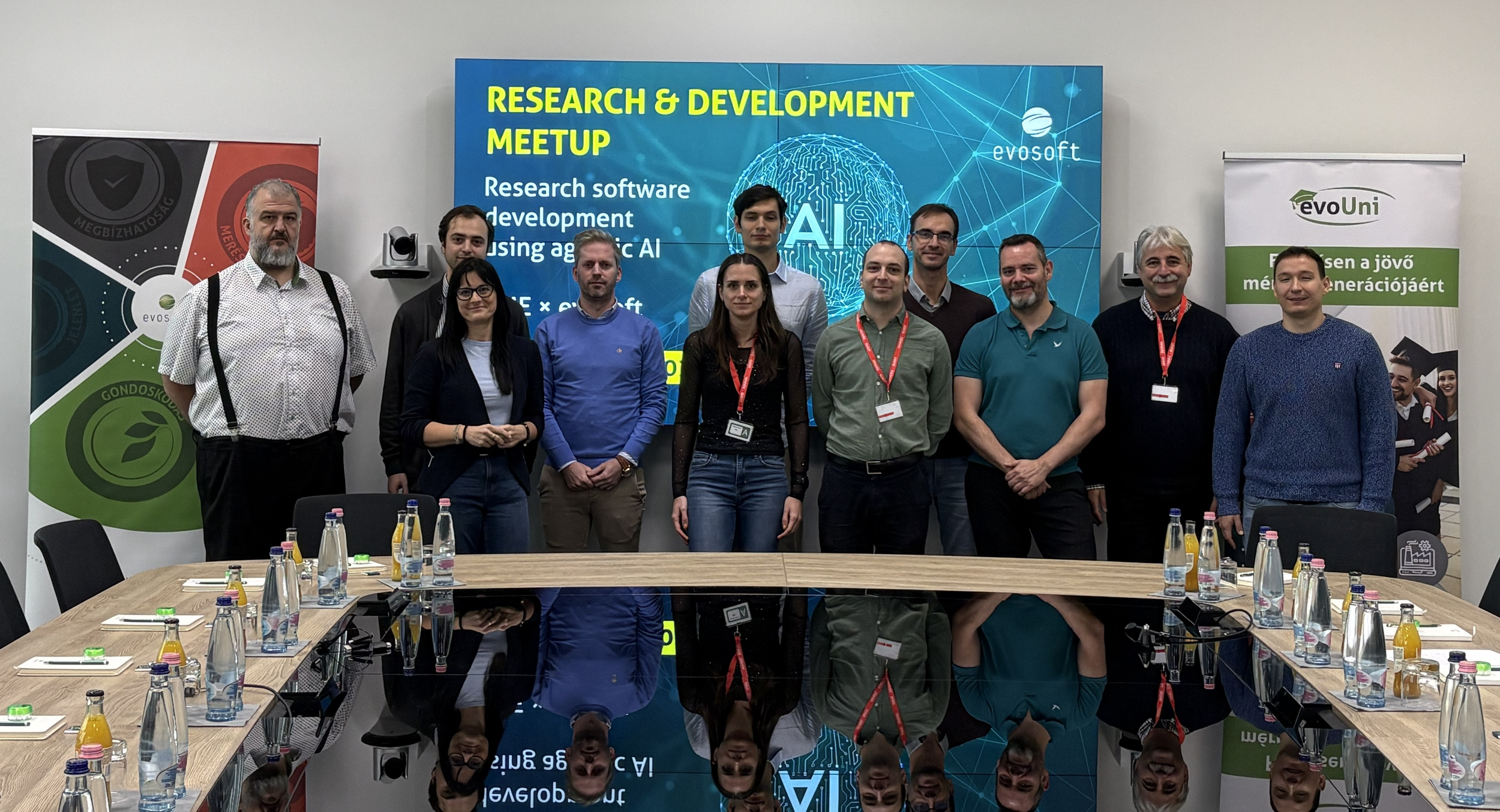
Last Thursday evosoft hosted a research and development workshop with researchers from the BME Department of Hydrodynamics, BME Department of Fluid Mechanics. The workshop focused on a current challenge in computational research: the gap between ad-hoc research code and robust, industrial-grade software. While such research code often relies on accurate and validated physical models, the underlying codebases frequently lack structured development. The session explored how agentic AI frameworks can improve code quality without compromising scientific accuracy.
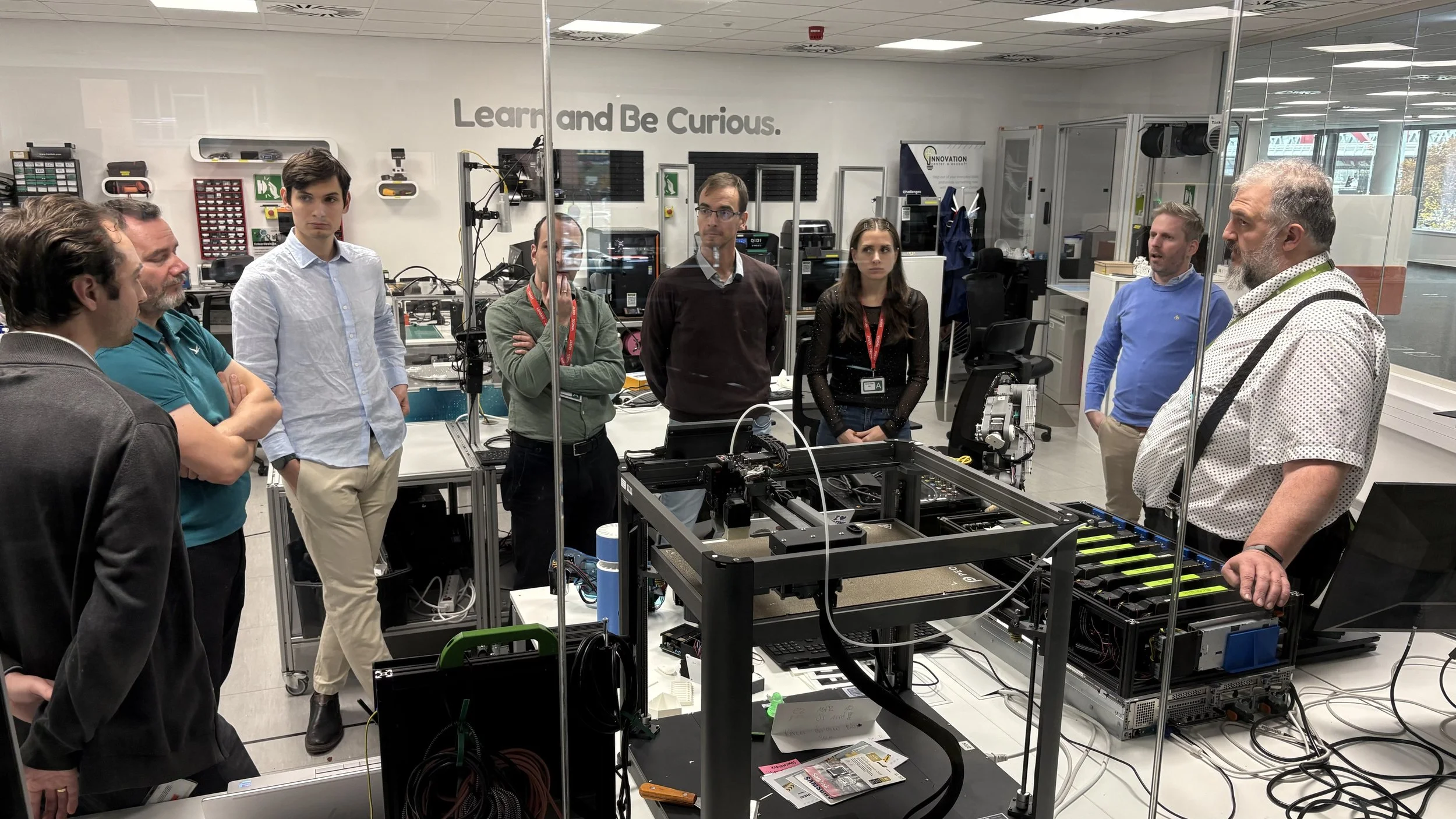
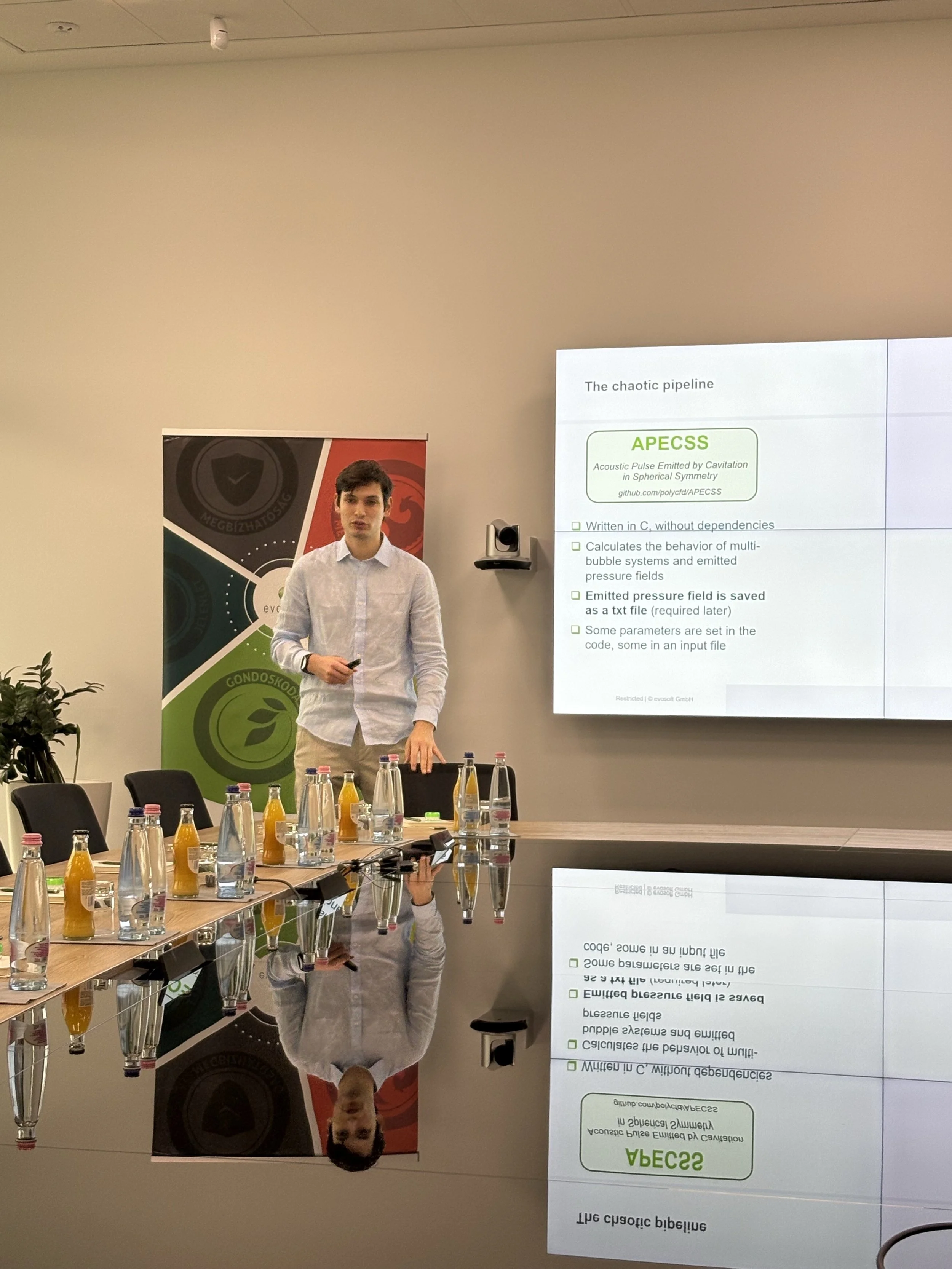
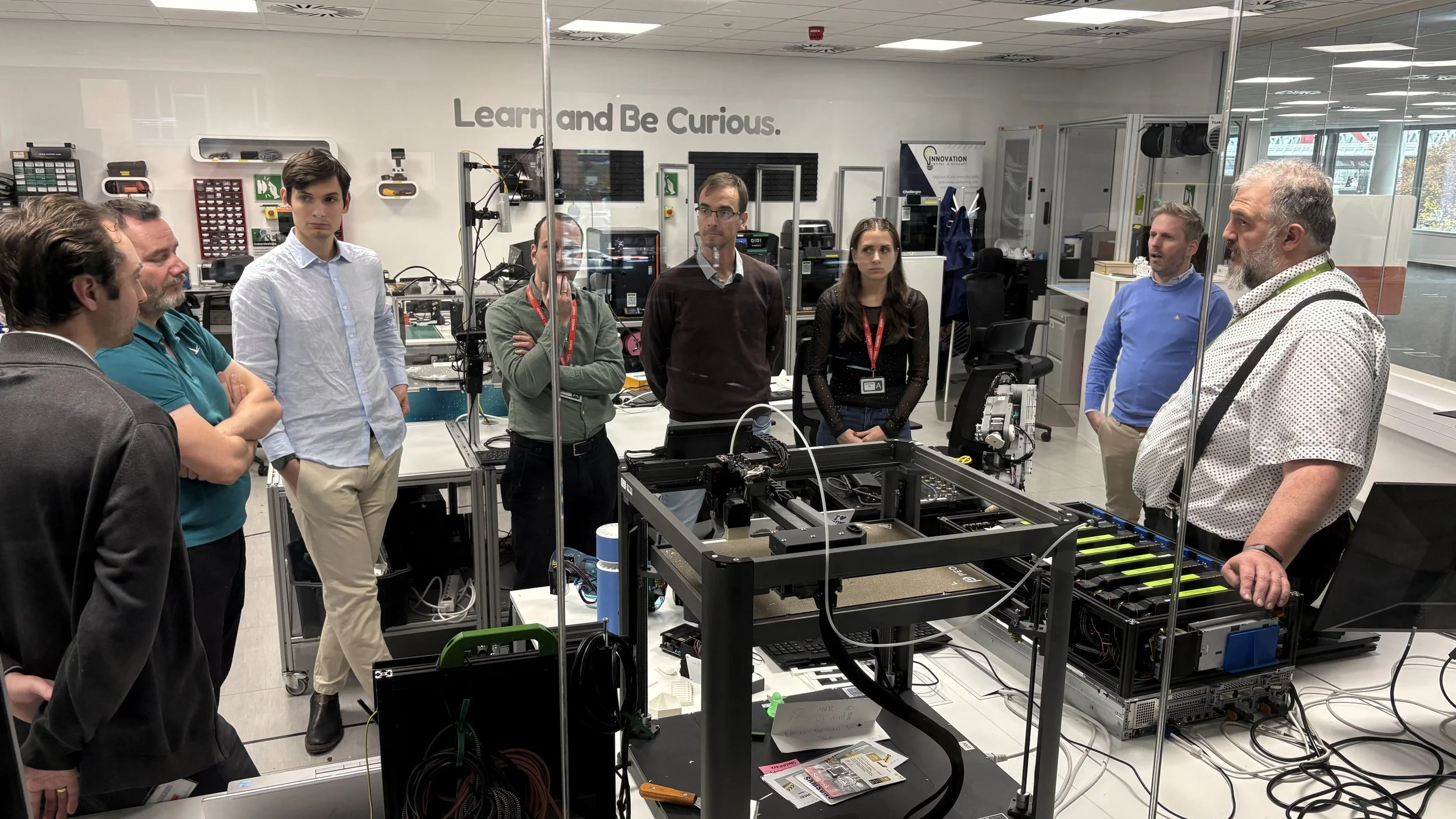
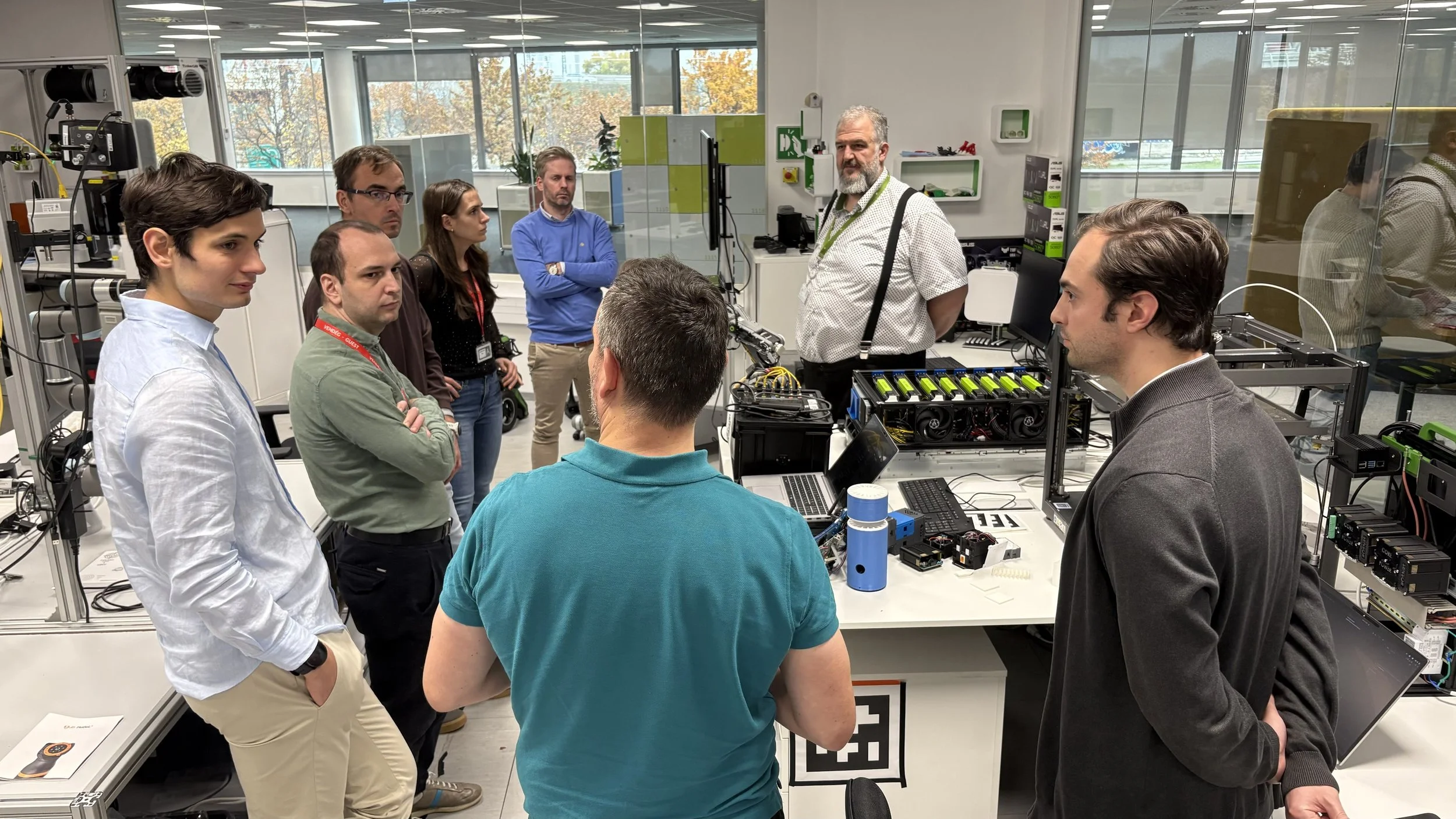
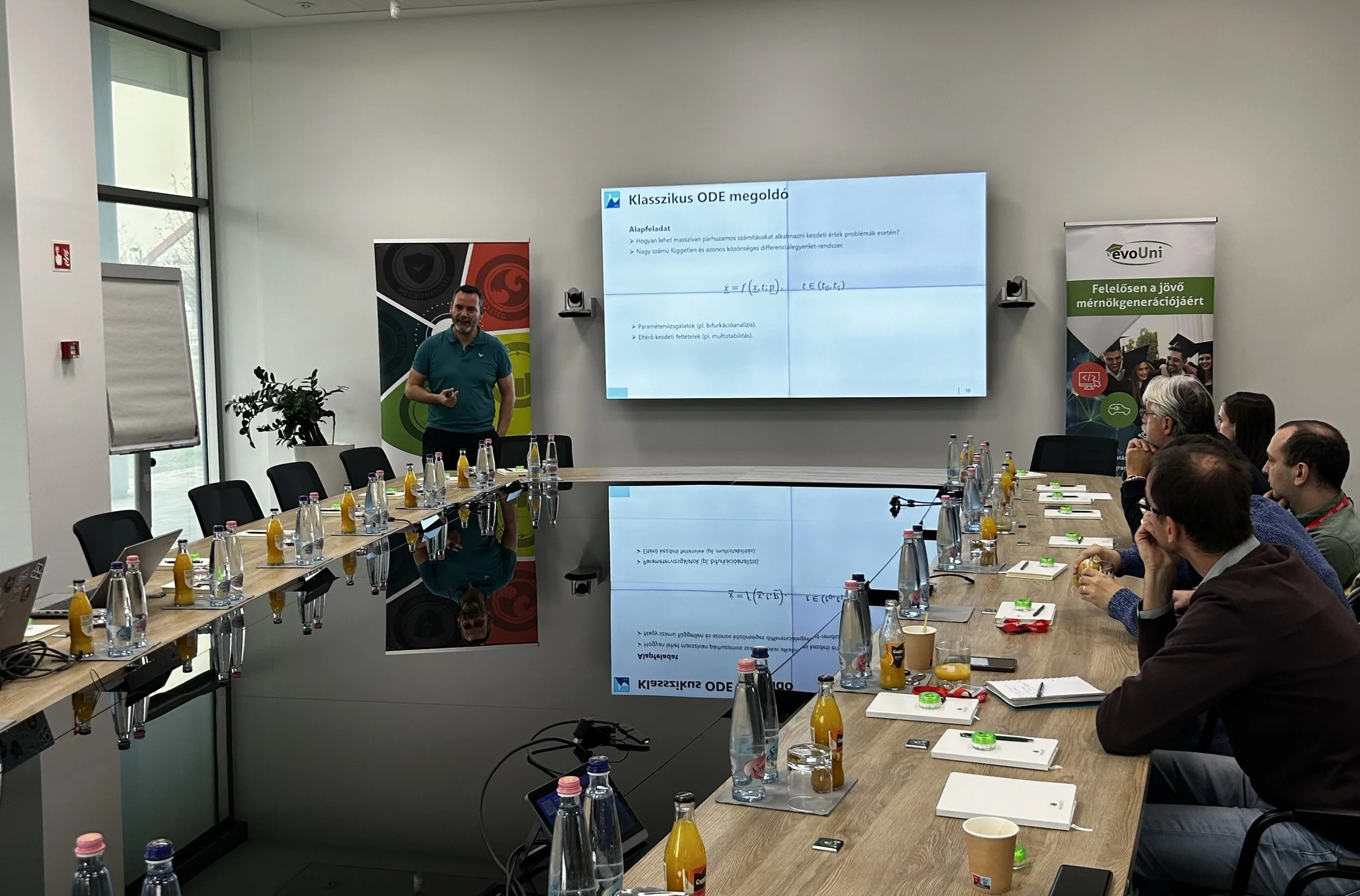
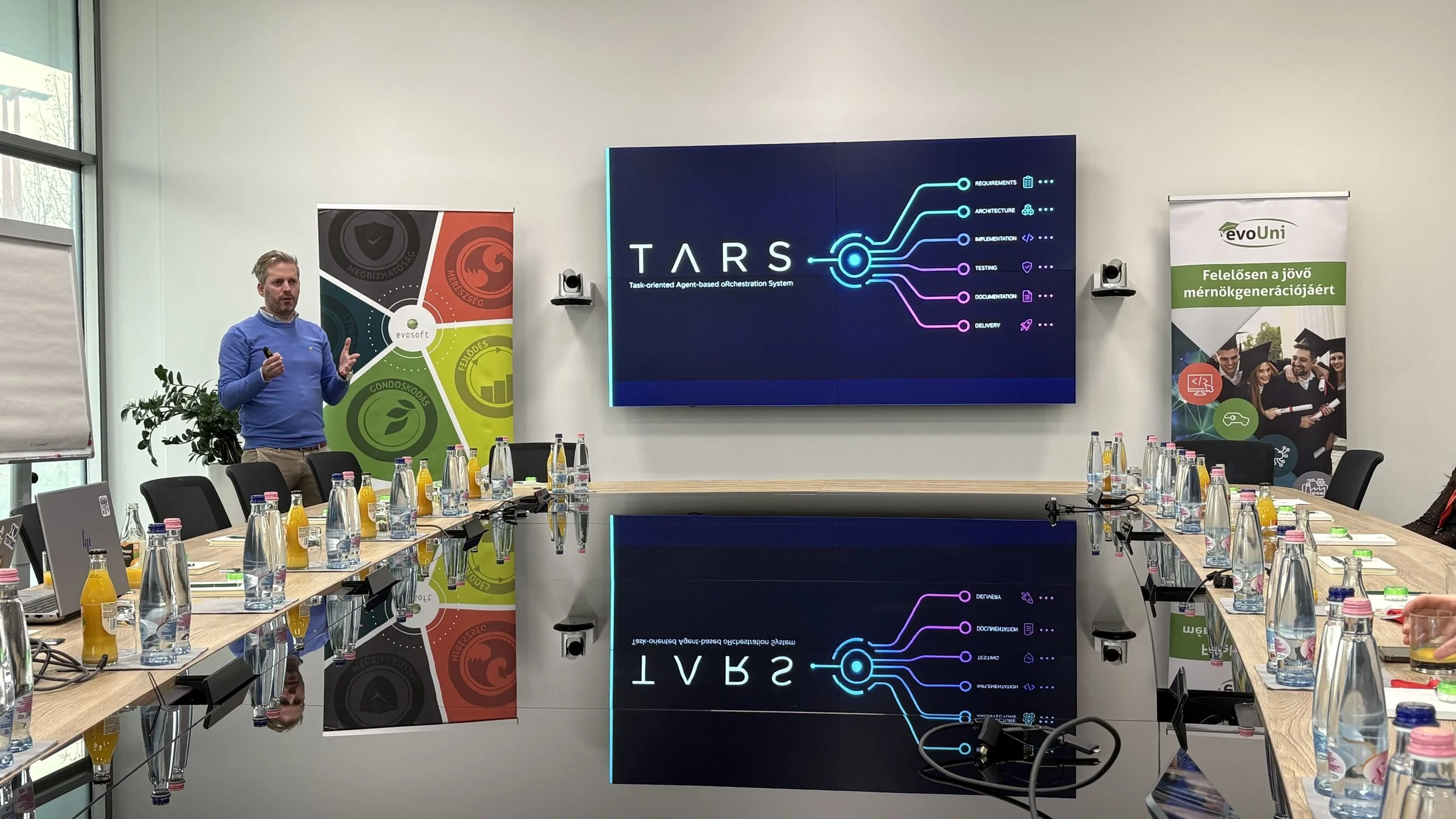
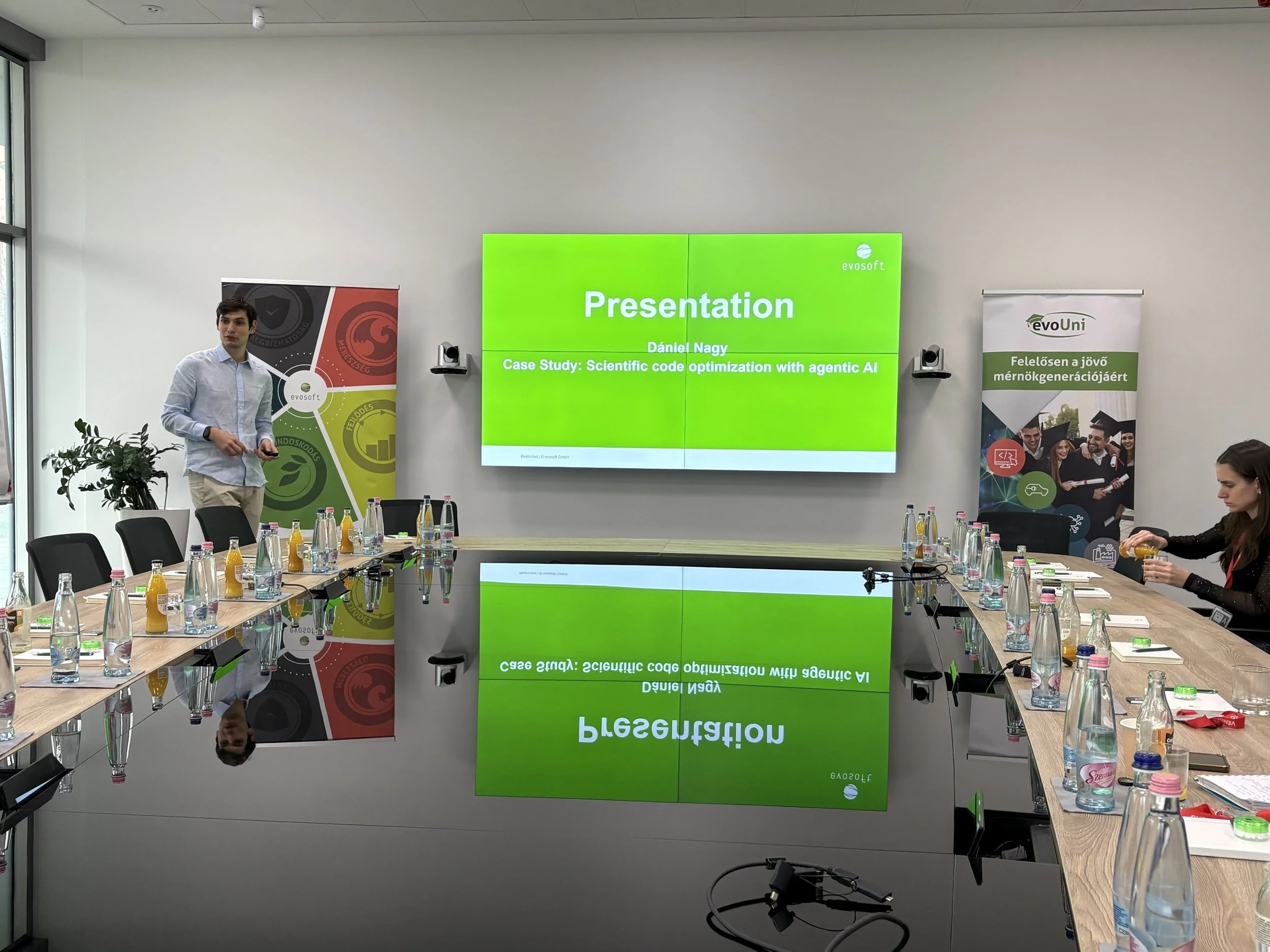
The agenda covered the full spectrum from theory to practice: Dr. Ferenc Hegedűs (BME) outlined the optimization challenges of research codes and demonstrated that they could improve code performance by 1000x using specialized GPU solutions, Szabolcs Szőts demonstrated agentic AI-driven development workflows. Then Dániel Nagy (PhD student and evosoft and BME) presented a case study of simulation optimization using autonomous agents, this not only made a scientific software more user friendly, but also increased its speed by 3x. Finally, Zsolt Csatári and Tamás Király showed local AI infrastructure developments. The event concluded with discussions on academic implementation of agentic AI and local AI solutions.
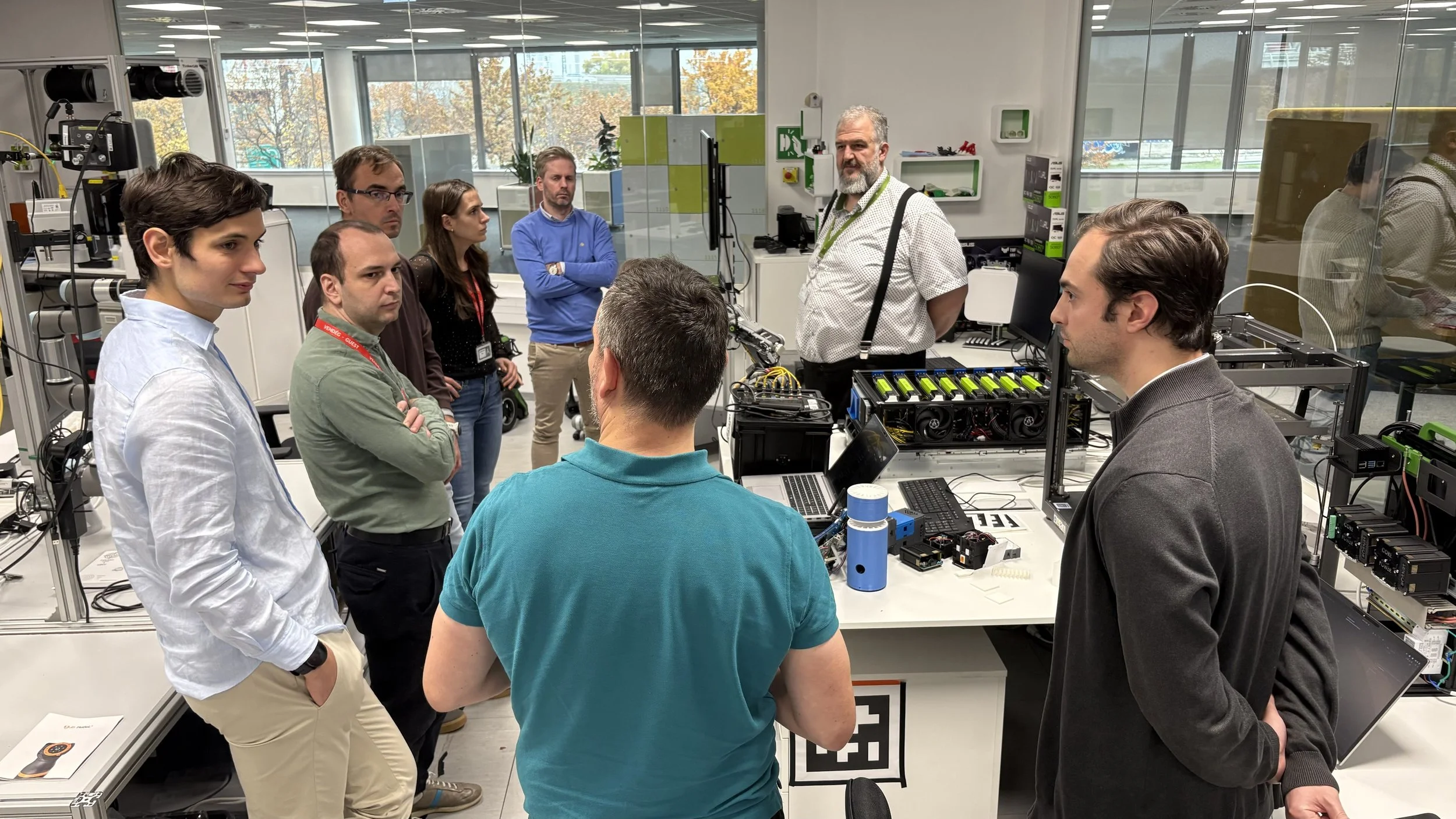
The researchers at BME are looking for an answer to a specific problem, and we can add the expertise that evosoft is strong in: how to turn a working research solution into well-structured, sustainable, and maintainable software.